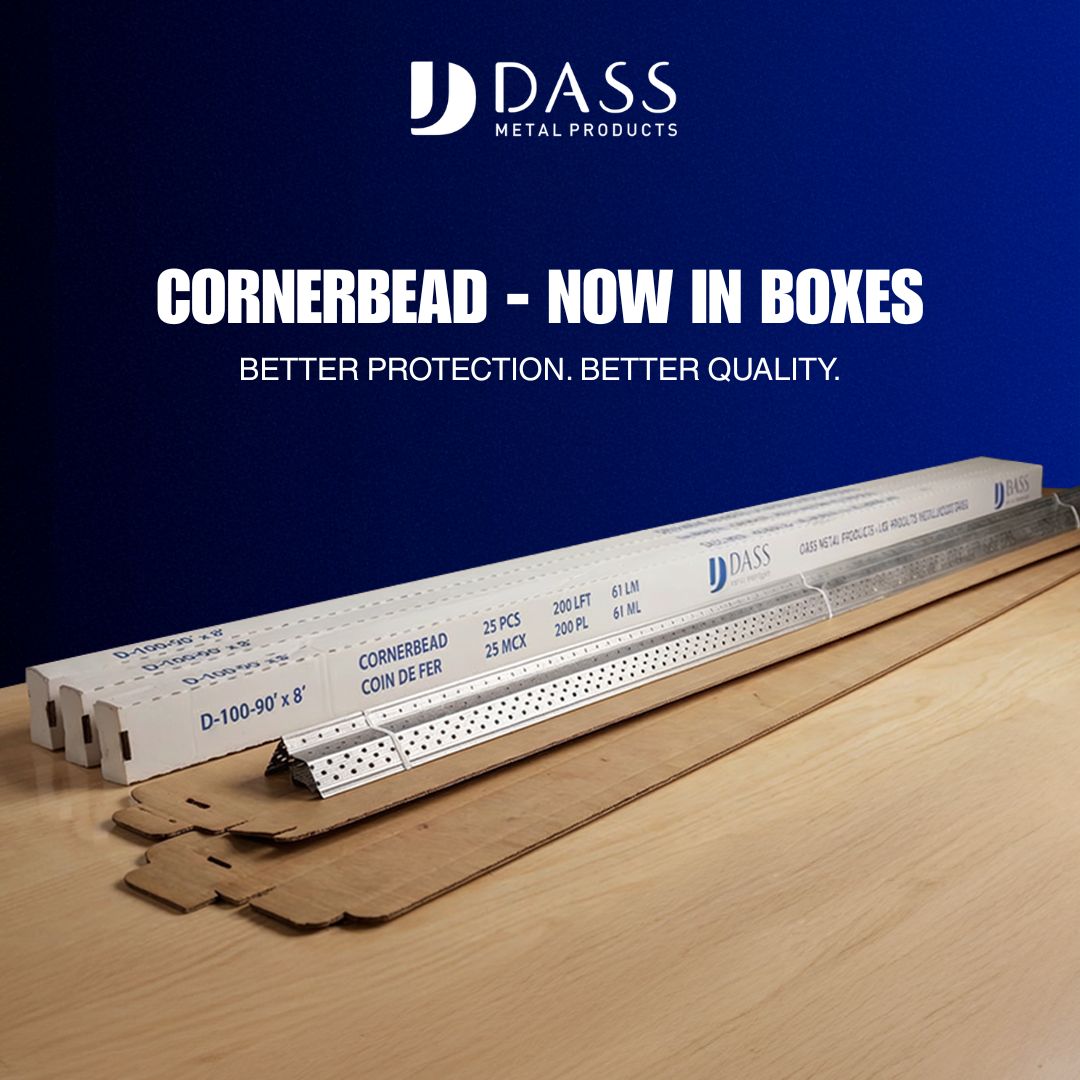
Windbrace components are used to provide lateral restraint and continuity for light- and heavy-gauge steel stud walls. This guide explains the product’s intended roles, the selection criteria specifiers use when choosing between bracing options, how windbrace compares with bridging channel, resilient channel and slotted deflection track, where to retrieve manufacturer technical resources and load tables, common on‑site detailing mistakes to avoid, and how to request custom profiles or engineering support.
What windbrace is and where it’s used
Windbrace is a cold-formed steel bracing component intended to provide lateral stability and continuity for stud walls and partitions both during erection and as part of the completed assembly where allowed by design. Typical application scenarios include stabilizing long, unbraced stud runs; holding tall non‑load‑bearing partitions plumb; and providing temporary lateral support while tracks, bridging and sheathing are installed. In product catalogs it is grouped with other framing components—such as bridging channel and resilient channel—because its primary role is to control lateral movement and stud alignment rather than carry concentrated vertical loads.
Selection criteria specifiers and contractors use

Experienced specifiers evaluate a focused set of criteria when selecting a bracing method. Use this checklist to frame the decision before consulting manufacturer data or engineering:
- Primary structural role: Identify whether the component must provide lateral restraint only, or also transfer in‑plane loads between studs.
- Assembly location and sequencing: Determine if bracing can be installed after sheathing and finishes or must be fitted during framing.
- Compatibility: Confirm the bracing interfaces cleanly with the chosen top/bottom track, stud flange, bridging clips, and any deflection details.
- Documentation needs: Require manufacturer product data, metric and imperial load tables, and submittal sheets to support the spec and permit set.
- Site constraints: Note openings, service penetrations or interruptions that limit continuous bracing runs and plan for mechanical continuity around them.
- When to engineer: Ask for engineered calculations and drawings where walls are tall, exposed to unusual wind loads, are load‑bearing, or when spans exceed typical published guidance.
Start with the functional role (lateral stiffness, load transfer, acoustic decoupling, or deflection control), then confirm compatibility and documentation before finalizing the specification.
Windbrace compared with bridging channel, resilient channel and slotted deflection track
The following comparison is decision‑focused: it explains the typical function and best project fit for each common bracing element without assigning specific design values.
Windbrace — lateral restraint and continuity
Primary function: Provide lateral stability and continuity for studs and partitions. Typical use: long unbraced stud runs, tall non‑load‑bearing partitions, or assemblies that require added stiffness between tracks. Compatibility: pairs with standard track and stud systems and coordinates with bridging clips. Project fit: select windbrace when the priority is lateral stiffening and you can reference manufacturer submittals for connection guidance.
Bridging channel — in‑plane alignment and load transfer
Primary function: Transfer in‑plane shear, maintain stud alignment under service loads, and sometimes carry light service loads. Typical use: assemblies where in‑plane load paths between studs are required or when sustained alignment is critical. Compatibility: used with dedicated bridging clips or carrying channel details. Project fit: choose bridging channel when an engineer specifies in‑plane load transfer or when alignment under load is required.
Resilient channel — acoustic decoupling
Primary function: Decouple gypsum linings from framing to improve acoustic performance. Typical use: sound separation walls and ceilings; installed perpendicular to framing with isolated fasteners. Compatibility: not intended as a primary structural bracing element. Project fit: use resilient channel for acoustics, not for structural lateral restraint.
Slotted deflection track — controlled movement and deflection management
Primary function: Permit designed vertical movement (deflection) at floor and roof lines while maintaining secure attachment for studs and finishes. Typical use: multi‑storey partitions and curtain wall transitions where differential movement must be isolated from finishes. Compatibility: used with specialized top/bottom track and clip details. Project fit: specify slotted deflection track when vertical movement control is required; it does not replace lateral bracing components.
Quick decision guidance: if acoustic separation is the goal, use resilient channel; if you must accommodate vertical movement, use slotted deflection track; if in‑plane load transfer is required, use bridging channel; if the objective is straightforward lateral stiffening with documented connection details, windbrace is often the practical choice.
Where to find technical specs, load tables and how to request custom profiles

Manufacturer product pages and technical libraries are the authoritative source for product sheets, metric and imperial load tables, standards information, and MSDS documentation. Always retrieve the product sheet and both metric and imperial load tables before preparing submittals or shop drawings so you can quote manufacturer values directly in the contract documents.
If you need project‑specific values or custom profiles, assemble the typical inputs the manufacturer’s engineering team will request: profile geometry (length, leg dimensions, punched or slotted features), intended gauge and finish, attachment conditions (type of track or stud flange and clearance for services), approximate quantities, and submittal deadlines. These inputs let producers create shop drawings, submittal sheets and compatibility notes for related components such as bridging channel or deflection track.
For broader industry guidance on steel framing practices and certification schemes, refer to relevant authorities such as the Canadian Sheet Steel Building Institute for background on product standards and industry best practices.
Installation, detailing guidance and common on‑site mistakes to avoid
Successful installations prioritize continuity, correct attachment and logical sequencing. The following detailing checks reduce rework and maintain the bracing system’s intended performance:
- Maintain continuity: Plan bracing runs around openings and intersections and provide continuity stitch connections to adjacent framing where the run is interrupted.
- Follow manufacturer attachment notes: Use the fastener types, spacing and connection points specified in product literature; if the product sheet lacks detail for your condition, request an engineered detail.
- Coordinate sequencing: Install bracing when access is available—do not close in finishes or run services that block required connection locations.
- Avoid system mismatch: Do not substitute an acoustic element (resilient channel) when structural lateral restraint is required; confirm the intended function in contract documents.
Common on‑site failure modes include interrupted bracing runs left unstitched at openings, inappropriate fasteners used to speed install, and sequencing that prevents final tightening or inspection. These are prevented by specifying bracing details in the contract drawings, including the manufacturer’s submittal with the permit set, and coordinating installation access during rough framing.
Frequently asked questions
When should I specify windbrace instead of bridging channel for a steel stud wall?
Specify windbrace when the primary need is lateral stability or continuity of stud runs and when the assembly does not require bridging channel’s in‑plane load transfer function. Use the selection checklist above to match function to need, and require manufacturer submittals or engineered confirmation when there is uncertainty.
Where can I find product sheets and metric/imperial load tables for windbrace?
Download product sheets and load tables from the bracing product page on the manufacturer’s website. Always reference those documents in submittals rather than relying on third‑party summaries.
Can manufacturers produce custom windbrace profiles and provide engineered drawings for project submittals?
Yes. Most producers offering windbrace supply in‑house engineering support and can produce custom profiles when given profile geometry, material/gauge, connection details and quantities. Ask the manufacturer for shop drawings and submittal sheets and confirm pricing and lead times via formal quotation.
Will windbrace replace other lateral bracing methods in every project?
No. Windbrace is one option among several. Resilient channel serves acoustic goals, slotted deflection track manages vertical movement, and bridging channel addresses in‑plane alignment and load transfer. Choose the component that meets the assembly’s functional requirements and verify with manufacturer documentation or a structural engineer when systems are combined.
Contact and next step (request drawings and product sheets)
Dass Metal Products — review verified product brochures and engineering support, then download windbrace product sheets and metric/imperial load tables from the windbrace product page to request drawings or a quote: windbrace product page.