The right metal framing system depends on what the framing must do, not simply on choosing a steel stud that appears to fit. Start by defining the framing role, then match the studs, tracks, channels, clips, and finishing components to the design. Before ordering, verify project-specific dimensions, technical documents, quantities, compatibility, applicable standards, and delivery requirements.
This process helps builders, contractors, architects, engineers, and distributors avoid treating all metal framing components as interchangeable. It also clarifies when a standard product may be suitable and when qualified engineering or supplier support is needed.
Step 1: Define What the Framing Must Do
Begin with the function of the assembly. “Metal framing” can refer to several applications, and each may require a different combination of steel studs, tracks, channels, clips, and trims.
- Non-load-bearing interior framing: Partitions and other interior applications where studs are not selected to carry the building’s primary structural loads.
- Load-bearing or exterior structural framing: Applications requiring a designed structural framing system and project-specific verification.
- Deflection accommodation: Assemblies where the connection must account for anticipated movement.
- Acoustic construction: Assemblies that may use resilient channel as part of the specified design.
- Shaftwall and specialized framing: Applications that may call for shaftwall or CH studs and compatible components.
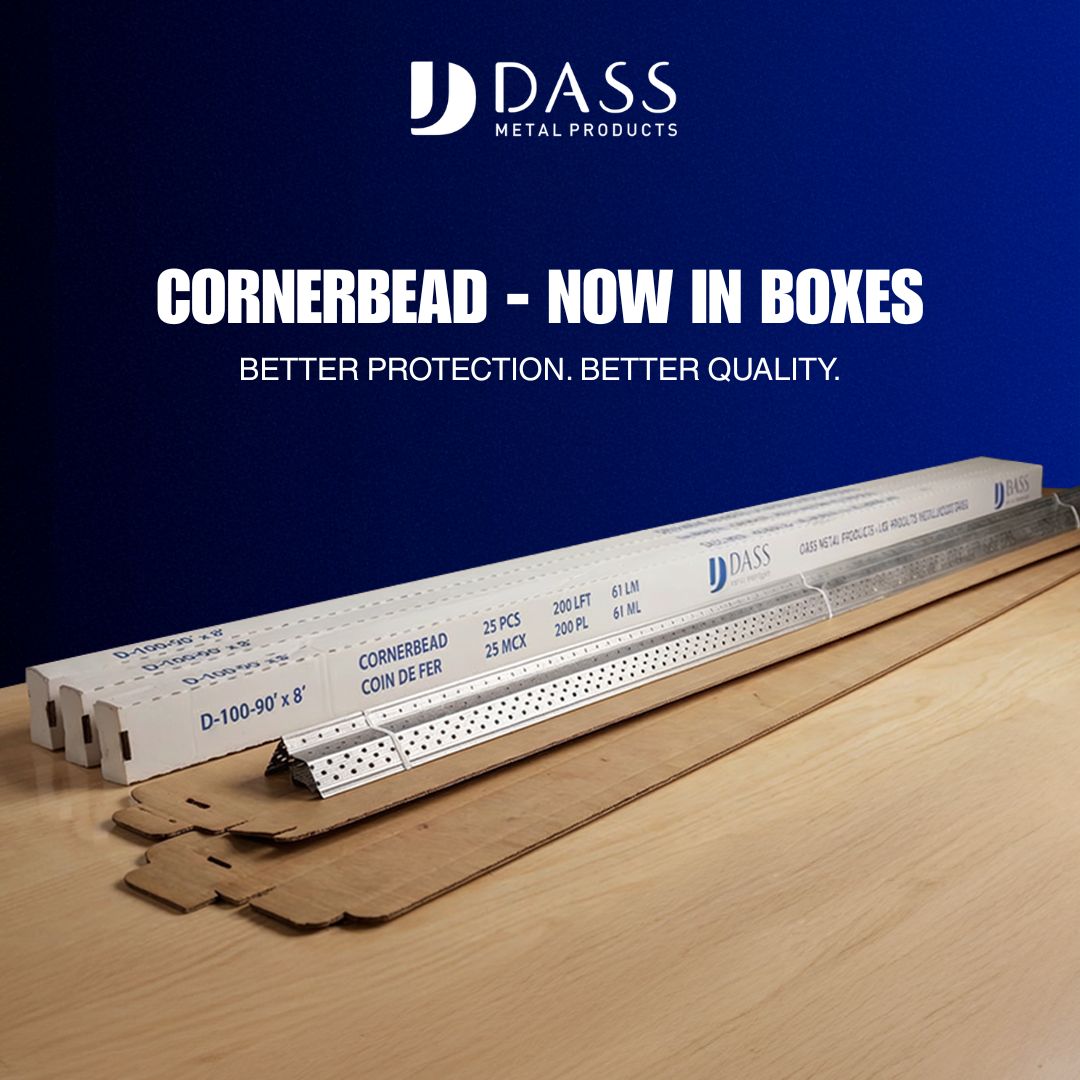
- Finishing and accessory work: Drywall finishing sections, cornerbead, trims, flat strips, clips, and other supporting products.
Dass Metal’s product range includes light and heavy gauge components for interior and exterior framing, along with tracks, channels, clips, and drywall finishing trims. Its non-structural metal framing information can help clarify the distinction between non-load-bearing applications and work requiring structural design.
Stop point: If the framing carries structural loads, forms part of an exterior structural wall, or affects a code-sensitive assembly, do not select products from a general description alone. Confirm the design with the responsible engineer or another qualified project professional.
Step 2: Choose Between Light Gauge and Heavy Gauge Stud Framing

The next decision is whether the project calls for non-load-bearing steel studs in a light gauge application or a load bearing stud framing system using heavier gauge components. The correct choice depends on the role defined in the drawings and specifications, not on a general preference for one type of steel stud.
Light gauge steel framing is commonly considered when the design identifies a non-load-bearing interior application. Heavy gauge framing may be specified where the stud system has a structural role. However, a product label does not establish a permitted load, span, spacing, or code application. Those requirements must come from the project design and applicable technical documents.
For additional context, review Dass Metal’s light gauge metal framing resource, then compare it with the project drawings and specifications.
Stop point: Do not choose gauge or thickness based on a product name, a previous job, or a generic online chart. Verify the required profile, thickness, dimensions, load information, and design assumptions for this project.
Step 3: Map the Supporting Components to the Framing Condition
A steel stud assembly is more than the stud itself. Tracks, channels, clips, and finishing sections must work with the specified profile and intended condition. Use this table to organize the categories to investigate; it is not a substitute for product-specific approval.
| Condition or requirement | Component category | What to verify |
|---|---|---|
| Typical top or bottom connection | Standard track | Profile, dimensions, thickness, connections, and stud compatibility |
| Movement or deflection | Slotted deflection track | Specified movement, installation detail, compatible stud profile, and design requirements |
| Deeper track configuration | Deep track | Required depth, mating stud dimensions, and assembly details |
| Support or carrying requirements | Bridging channel | Function, connection method, spacing, and design documentation |
| Acoustic requirements | Resilient channel | Specified assembly, compatible layers, attachment details, and approved configuration |
| Furring or secondary framing | Furring channel or Z-Bar | Substrate, orientation, dimensions, attachment, and finish compatibility |
| Connections or transitions | Clips and connectors | Exact clip type, movement or load function, fasteners, and installation detail |
| Edges, corners, and drywall finishing | Trims, cornerbead, flat strips, L trim, J trim, or J track | Finish condition, dimensions, material requirements, and board-system coordination |
Dass Metal provides information for products such as slotted deflection track, deep track, resilient channel, furring channel, and Z-Bar. Use those pages to identify relevant categories, then confirm the exact product and specification for the assembly.
Step 4: Confirm the Design, Standards, and Technical Documents
Before approving an order, gather the documents that establish what the framing must achieve. Depending on the project, these may include architectural and structural drawings, written specifications, product brochures, metric or imperial load tables, applicable standards, and MSDS documentation.
- The framing role and design loads, where applicable.
- Required stud and track profiles, thicknesses, lengths, and connections.
- Deflection or movement provisions.
- Acoustic, fire, moisture, or other performance requirements in the design.
- The governing jurisdiction and standards referenced in the project documents.
- Whether the selected product and configuration are covered by the relevant documentation.
Dass Metal identifies technical resources including brochures, load tables, standards, and MSDS documentation. The company also states that it emphasizes quality control and CSSBI certification. These resources support product review, but they do not automatically make every product or configuration suitable for every project.
Stop point: Ask the responsible engineer or qualified project professional to review applications involving loads, structural design, deflection, fire, acoustic performance, or code compliance. Supplier guidance can help identify products and documents, but final design responsibility remains project-specific.
Step 5: Verify Profiles, Dimensions, Quantities, and Compatibility
Once the framing category is clear, translate the design into an orderable material list. Confirm each component rather than assuming a similar-looking stud, track, or clip will work.
- Profiles: Identify the exact stud, track, channel, clip, trim, or connector profile.
- Dimensions: Confirm depth, flange, length, thickness, and other relevant dimensions.
- Quantities: List studs, tracks, channels, clips, trims, and accessories, including approved allowances.
- Compatibility: Check that mating studs, tracks, clips, channels, fasteners, and finishes are intended to work together.
- Units: Keep metric and imperial information consistent with the drawings, schedules, and quote request.
- Transitions: Identify openings, corners, intersections, shaftwall conditions, depth changes, and other details affecting the material list.
Dass Metal’s product catalogue can help organize available categories. Do not estimate dimensions or quantities from a general web page when project drawings or product documents specify something different.
Step 6: Decide Whether Standard or Custom Profiles Are Appropriate
Standard products may be appropriate when the project uses listed profiles and provides clear dimensions and quantities. A custom or special profile may deserve consideration when the project has unusual geometry, a non-standard dimension, a difficult transition, or a constraint that a listed component does not address.
For a custom request, provide drawings or sketches, profile dimensions, material or thickness, lengths, quantities, tolerances where relevant, intended use, and applicable design documents. Explain the site condition technically rather than relying on a phrase such as “something close to this shape.”
Dass Metal states that its engineering team has more than 40 years of steel-framing experience and can support customized profiles and project requirements. That support is most useful when the supplier receives enough information to evaluate the request properly.
Stop point: A custom profile is not a substitute for design approval. Confirm design intent and required performance before asking a manufacturer to develop or quote a special section.
Step 7: Confirm Supplier Capability and Delivery Requirements
Material selection is only part of a workable procurement plan. Confirm that the supplier can support the product range, documentation, customization, location, and schedule the project requires.
- Can the supplier provide the required steel studs, tracks, channels, clips, trims, and accessories?
- Can it provide the product documents needed by the project team?
- Can it discuss custom or special profiles?
- Can it support the project location and requested delivery window?
- Are cross-border requirements relevant for a Canadian or United States project?
- Does the quote identify products, quantities, dimensions, assumptions, and exclusions?
Dass Metal Products is a Canadian manufacturer and supplier based in Vaughan, Ontario. The company states that it serves customers across Ontario and supports projects throughout Canada and the United States with cross-border delivery. Its Canadian manufacturing position and technical support may be relevant when sourcing Canadian steel studs, but delivery requirements should still be confirmed for each project.
Pre-Quote Checklist for a Metal Framing Order
- Project type, location, and delivery destination.
- Framing role: interior, exterior structural, non-load-bearing, shaftwall, acoustic, finishing, or another application.
- Drawings, schedules, specifications, and relevant details.
- Required stud category, including light gauge steel studs or a load bearing stud framing system.
- Track requirements, such as standard track, slotted deflection track, or deep track.
- Bridging channel, resilient channel, furring channel, Z-Bar, windbrace, clips, connectors, and finishing sections.
- Profile dimensions, gauge or thickness, lengths, units, and quantities.
- Required technical documents, load tables, standards, or safety documentation.
- Unusual geometry, transitions, tolerances, or custom-profile requirements.
- Delivery window, site restrictions, receiving information, and cross-border requirements where applicable.
Missing information may prevent a supplier from making a responsible product recommendation or may lead to assumptions that need correction later.
Common Selection Mistakes to Avoid
- Treating all steel studs as interchangeable: Profiles, dimensions, thicknesses, and intended applications can differ.
- Choosing by gauge alone: Gauge does not replace the complete design requirement, including profile, connection, spacing, load, and documents.
- Overlooking movement: Typical track may not address a condition requiring deflection accommodation.
- Mixing components without checking compatibility: Review studs, tracks, clips, channels, and trims as an assembly.
- Assuming code compliance: A general product description cannot confirm compliance for a particular jurisdiction or configuration.
- Requesting a quote without drawings or quantities: Incomplete information makes correct pricing and supply more difficult.
- Assuming standard profiles fit unusual conditions: Non-standard geometry may require a special-profile discussion and technical review.
When Should You Request Technical or Engineering Support?
Request support before ordering when studs carry structural loads, the work involves exterior structural framing or wind-related requirements, the assembly must accommodate movement, the project has fire or acoustic requirements, drawings are incomplete or conflicting, listed profiles do not match the required geometry, custom profiles are needed, or the order crosses a border and requires coordinated documentation.
When contacting a supplier, provide the project location, drawings, specifications, framing role, required dimensions, quantities, schedule, and the precise question needing resolution. Dass Metal describes its engineering team as experienced in steel framing and states that it supports customized profiles and project requirements. That conversation should complement, not replace, review by the responsible design professional where required.
Frequently Asked Questions
How do light gauge steel framing and load-bearing stud framing differ?
Light gauge steel framing is used for applications specified as non-load-bearing, while load bearing stud framing is selected when the design assigns studs a structural role. Confirm the distinction through drawings, specifications, design loads, and applicable documents.
When should I use slotted deflection track instead of standard track?
Investigate slotted deflection track when the design requires a connection that accommodates specified movement. Confirm the movement requirement, stud compatibility, connection detail, and product documentation before ordering.
What information should I provide when requesting a custom metal framing profile?
Provide drawings or sketches, profile dimensions, thickness or material, lengths, quantities, tolerances where relevant, intended application, delivery location, and applicable specifications.
Do metal framing products require project-specific engineering review?
Structural, exterior, deflection-sensitive, fire-sensitive, acoustic, and code-sensitive applications may require project-specific review. Ask the responsible engineer or qualified project professional to confirm the design, then use supplier documentation to verify the selected product and configuration.
Choose the System That Matches the Design
Choosing metal framing is a sequence of decisions: define the framing role, distinguish light gauge from heavy gauge requirements, map supporting components, verify technical documents, confirm dimensions and quantities, and plan delivery. Standard products may be appropriate when the design is clear and profiles are listed. Custom-profile discussions and technical support become more important when geometry, performance requirements, or documentation is unusual.
For Canadian steel studs, metal framing components, custom profile discussions, and delivery support across Canada and the United States, contact Dass Metal Products with your project drawings, specifications, quantities, dimensions, and required schedule.