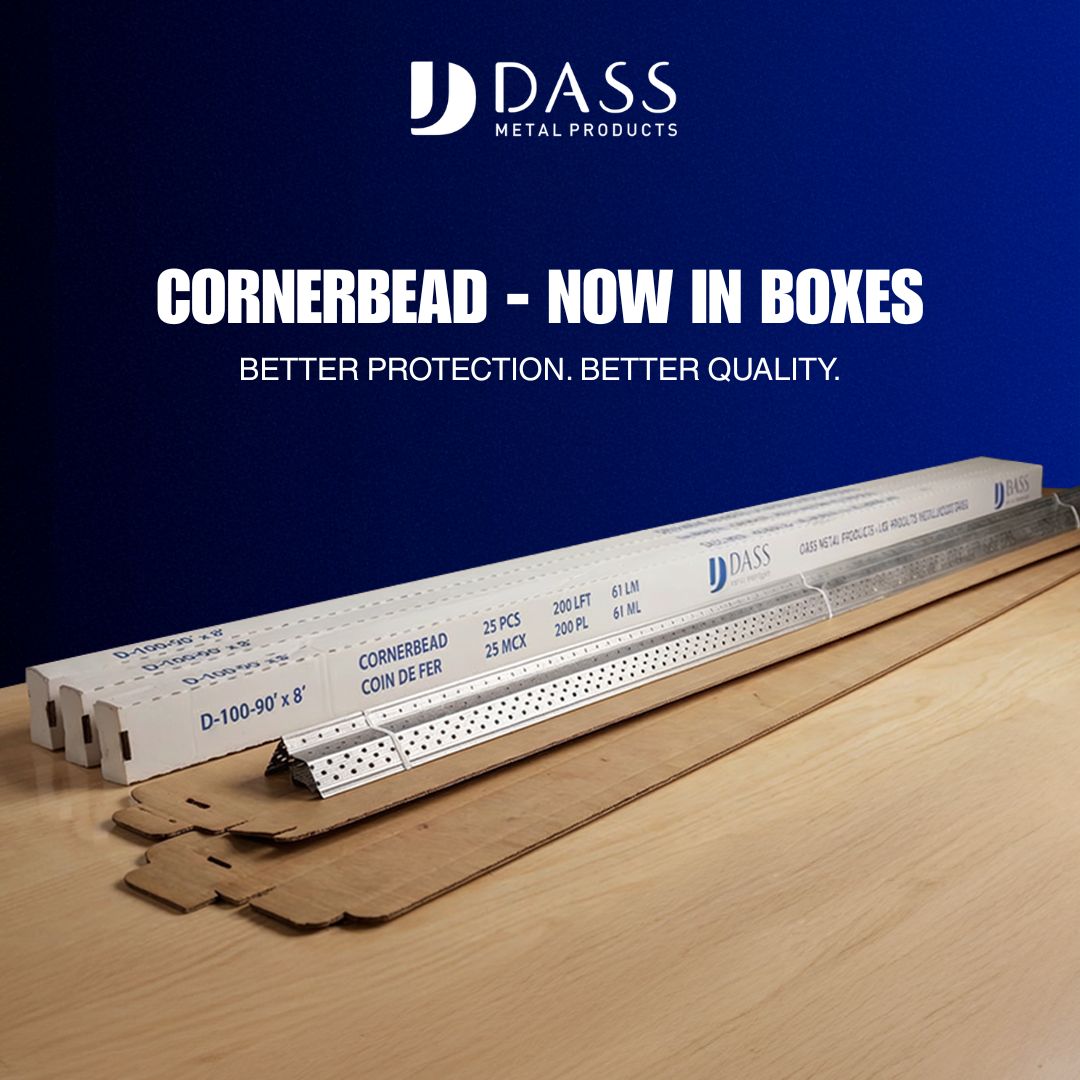
Structural steel framing systems are engineered assemblies of cold-formed or hot-rolled steel members that create walls, floors, and roofs for commercial and residential buildings. They deliver high strength-to-weight ratios, predictable performance, and consistent dimensions. For builders working in and around Vaughan, ON, Dass Metal Products supports on-time schedules with engineered studs, tracks, channels, and trims tailored to your drawings.
By Preet Dass • Last updated: 2026-04-23
Start Here: What You’ll Learn and How to Use This Guide
Use this guide to plan, specify, and build with steel framing without surprises. We explain what structural systems are, why they matter, how they go together, and which profiles to use where. You’ll also find best practices, a process checklist, procurement tips, and real project examples you can apply today.
This complete guide is written for general contractors, framing and drywall contractors, architects, and engineers who need reliable, code-aligned guidance they can act on immediately.
- Definition, scope, and where steel framing fits in mixed-material buildings
- Benefits that impact schedules, quality, and risk management
- How systems work from slab to structure (with a process table)
- Profiles and components (studs, tracks, channels, clips, trims)
- Best practices for layout, bracing, deflection, and acoustics
- Procurement and pricing drivers that keep timelines on track
- Tools and resources for submittals, detailing, and QA
- Case snapshots from recent Canadian and U.S. projects
At a Glance: Quick Summary
Steel framing succeeds when details are coordinated early, members are sized from load tables, and deflection, bracing, and acoustics are addressed in drawings. Dass Metal Products supports this with CSSBI-certified components, engineering guidance, and dependable delivery across Canada and the United States.
Here’s the short version for busy readers.
- System basics: Cold-formed steel studs and tracks create straight, stable walls; clips and channels brace and connect.
- Design: Member gauge selection follows span, load, and spacing; common spacing is 16 or 24 inches on center.
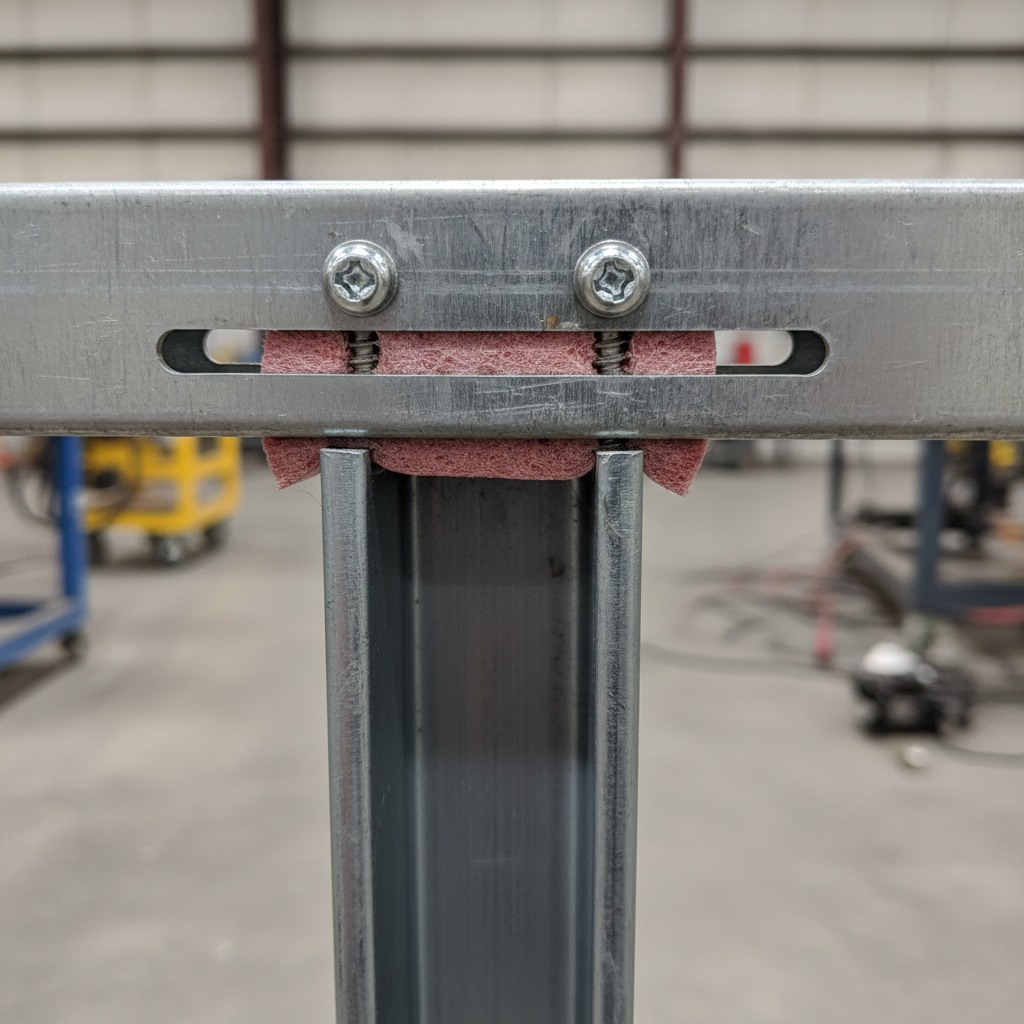
- Movement: Head-of-wall deflection (often 1/2–1 1/2 inches) is handled with slotted track and slip details.
- Bracing: Bridging or carrying channel at one or more rows limits stud buckling; count rows per height.
- Acoustics: Resilient channel decouples gypsum from framing to reduce sound transmission.
- Execution: Correct fasteners, screw patterns, and QA checks prevent callbacks and rework.
What Is a Structural Steel Framing System?
A structural steel framing system is a coordinated set of steel members—studs, tracks, joists, channels, clips, and connectors—designed to transfer loads safely to the building structure. It includes movement, bracing, and fire/sound details so walls, floors, and façades perform as specified in all conditions.
In practice, you’ll combine light gauge (non-load-bearing and load-bearing cold-formed) members with connectors and trims to create dimensionally accurate assemblies. Where heavier loads demand, structural framing may integrate hot-rolled steel, but most interior and many exterior curtain walls rely on cold-formed shapes for predictable tolerances.
- Light gauge steel framing: Typically 25–16 gauge for interior partitions and exterior curtain walls.
- Load-bearing stud framing: Heavier gauges and specific detailing for axial and lateral loads.
- Ancillary components: Bracing channels, deflection tracks, resilient channels, and trims finalize performance.
For a product-by-product overview of non-structural members, see our non-load-bearing steel framing page, where dimensional ranges and gauges are listed for fast specification.
Why Steel Framing Matters for Schedules, Risk, and Quality
Steel framing reduces variability, improves straightness, and speeds enclosure. It’s dimensionally stable, non-combustible, and available in consistent gauges and lengths—key advantages when schedules are tight and QA matters. With predictable performance, coordination issues and rework drop, lowering project risk.
Contractors often cite measurable gains: straighter walls reduce finishing time; consistent gauges and factory punching accelerate MEP coordination; and non-combustible framing simplifies fire detailing at head-of-wall joints.
- Predictable tolerances: Factory-formed members keep walls plumb and true, minimizing shim and float.
- Labor efficiency: Pre-punched service holes and consistent screw engagement save minutes per stud—hours across a floor.
- Risk control: Less moisture movement than some alternatives, reducing callbacks for cracks or nail pops.
- Compliance: CSSBI-certified products and cold-formed design standards streamline approvals and submittals.
- Supply confidence: Dass Metal’s cross-border delivery supports multi-state and provincial rollouts on synchronized timelines.
On an Ontario office build, a GC reduced framing punch-list items by focusing on deflection head details and bridging layout early—two hours of preconstruction coordination that eliminated days of touch-ups later. That pattern repeats: prioritize movement, bracing, and acoustics up front.
How Structural Steel Framing Systems Work (Step-by-Step)
Steel framing systems work by transferring gravity, lateral, and service loads from studs and joists into tracks, clips, and the base structure. Proper gauge selection, spacing, bridging, and movement joints ensure walls remain plumb, resist buckling, and accommodate building deflection without cracking finishes.
Use this field-friendly sequence to align crews, inspectors, and designers. Adjust numbers to match your drawings and submittals.
| Step | What Happens | Checks (Typical Numbers) |
|---|---|---|
| 1. Layout | Snap lines, mark doors/openings, confirm slab/soffit conditions. | Spacing 16″ or 24″ o.c.; verify movement joint target 1/2–1 1/2″. |
| 2. Track Install | Anchor bottom track; place standard or slotted head track. | Anchor patterns per spec; slip allowance to match structural deflection. |
| 3. Stud Infill | Cut/seat studs; plumb and fasten where required. | Gauge per load table; confirm screw type and quantity. |
| 4. Bracing | Install bridging/carrying channel and clips. | Rows per height; fastener pattern per clip submittal. |
| 5. Openings | Frame jambs, headers, sills with heavier members or boxed studs. | Deflection at transoms; verify backing and anchors. |
| 6. MEP | Use factory holes; add grommets or protection as needed. | Maintain clearances; avoid stud web damage. |
| 7. Skins | Attach sheathing and gypsum per pattern; add resilient channel if required. | Fastener spacing per board manufacturer; RC orientation correct. |
| 8. Fire/Sound | Seal head-of-wall and penetrations. | Use listed systems; check joint width and sealant depth. |
| 9. QA | Final plumb/level and attachment review. | Document with photos and checklists for turnover. |
For a deep dive on sequencing and field tips, review our internal structural metal stud framing guide, which many superintendents share during kickoff meetings.
Types of Structural Steel Framing and Key Components
Most projects combine non-load-bearing and load-bearing cold-formed steel with connectors, channels, and trims. Select gauges and profiles from load tables, then detail deflection, bracing rows, and acoustic isolation. The right component mix keeps walls straight, quiet, and crack-free under real-world movement.
Dass Metal manufactures a comprehensive catalog so you can match performance to each condition.
- Studs: Non-load-bearing light gauge studs for interiors; heavier load-bearing studs for shear and axial demand. See non-load-bearing studs and load-bearing stud framing.
- Tracks: Standard track for typical heads and bases; slotted deflection track to accommodate structural drift; deep track for added engagement where required.
- Channels and Bracing: Bridging/carrying channel limits stud buckling; count rows based on wall height and gauge.
- Acoustics: Resilient channel decouples gypsum; orientation and screw length are critical to preserve isolation.
- Clips and Connectors: Deflection side clips, webslide clips, and bridging clips speed installation and standardize screw patterns.
- Curves and Specials: U-Flex track and special profiles follow complex geometries with consistent radii.
- Trims and Finishing: J trim, L trim, 90°/130° cornerbead, backing, and Z-Bar or L track for finishes.
Not every wall needs every component. However, walls taller than 10 feet often benefit from at least one row of bridging channel, while exterior curtain walls typically require slotted head track to avoid finish cracks from structural deflection.
Best Practices That Prevent Rework
Prevent rework by nailing four fundamentals: correct member gauge and spacing, planned head-of-wall movement, adequate bridging, and accurate fastener patterns. Add resilient channel only where acoustics demand it, and verify details in submittals so the field installs exactly what the design intends.
In our experience supporting Ontario and U.S. projects, the same issues cause most callbacks. Here’s how to stay ahead.
- Size from tables: Choose stud gauge by height, spacing, and load—don’t guess in the field.
- Model movement: Specify slip details that match anticipated structural deflection; keep 1/2–1 1/2 inches of capacity common in head-of-wall joints.
- Count bridging rows: Many interior walls use one row; tall or loaded walls often need two or more.
- Fasteners matter: Use specified screw types; maintain edge distances and patterns to avoid tear-out.
- Respect RC rules: With resilient channel, never short-circuit the isolation by screwing finishes through the channel into studs.
- Document QA: Quick plumb/level checks and photo documentation at milestones reduce disputes later.
Crews working from a one-page install standard plus photo examples consistently outperform crews without visual aids. Laminated field guides and five-minute stand-ups at the start of shift pay off.
Tools, Submittals, and Resources for Smooth Approvals
Smooth approvals come from complete submittals: member schedules from load tables, clip datasheets, head-of-wall details, and acoustical notes. Dass Metal backs this with brochures, standards, and engineering support so your package is accepted on the first pass and procurement starts on time.
Use the following package structure to keep reviews moving.
- Product schedules: Stud and track sizes/gauges per location; call out special profiles.
- Detail sheets: Slotted head-of-wall, bridging layout, openings, and typical penetrations.
- Data + listings: Clip datasheets, screw specs, and listed firestop assemblies for joints/penetrations.
- Acoustic notes: STC targets and resilient channel locations with board layers and fastener patterns.
- QA plan: Checkpoints for layout, bracing, and attachment with photo documentation.
Need a ready-made reference for your kickoff? Our steel framing tag collects field-tested posts, while this steel stud how-to is a quick refresher for new crew members.
Procurement and Pricing Drivers (No Numbers, Just What to Control)
Control schedule risk by locking gauges, lengths, and special profiles early, then sequencing deliveries floor by floor. Pricing is influenced by gauge, profile complexity, and logistics. Dass Metal’s Canadian manufacturing and cross-border delivery help stabilize availability for projects across Canada and the U.S.
While every project is unique, these universal drivers shape both schedule and value.
- Gauge and length mix: Heavier gauges and non-standard lengths add lead time; reserve them for true performance needs.
- Special profiles: Curved tracks or unique trims require drawing review—initiate early.
- Logistics: Floor-by-floor kitting reduces onsite handling; sequence trucks to match install rates.
- Coordination: Align deflection, openings, and backing details before release to fabrication.
- Documentation: Clean submittals shorten review cycles so procurement can start sooner.
We’ve found superintendents gain days on the schedule when deliveries are kitted by area and clearly labeled at the yard—small prep steps that eliminate searching and partial pallets.

Case Studies and Real-World Examples
Projects move faster when details are standardized. Across Ontario and U.S. sites, teams using pre-approved head-of-wall details, kitted deliveries, and bridging templates consistently report smoother inspections and fewer punch-list items. The right component choices—and timing—turn into finished square footage sooner.
Here are representative examples that mirror common scenarios our customers face.
Mid-Rise Office Curtain Wall, Ontario
- Challenge: Tall exterior walls with drift-induced head movement and high wind exposure.
- Approach: Slotted deflection track sized for 1 inch slip; two rows of bridging channel; boxed jamb studs at openings.
- Result: No finish cracking at the soffit line after seasonal movement; enclosure completed a week ahead of target.
Healthcare Tenant Improvement, U.S. Midwest
- Challenge: Strict acoustics and infection control with rapid phasing.
- Approach: Resilient channel on corridor and exam walls; verified screw lengths to avoid short-circuiting RC; factory-labeled kits by department.
- Result: Inspections cleared on first pass; staff reported noticeably quieter corridors after turnover.
Education Wing Addition, Greater Toronto Area
- Challenge: Complex curves and fast-track schedule across the semester break.
- Approach: U-Flex track for consistent arcs; early approval of special trims; load-bearing studs at select transfer headers.
- Result: Framing completed within the window; finishes aligned perfectly with designed radii.
For more field-oriented planning ideas, browse our steel stud framing articles and the high-level steel framing benefits series.
How to Choose the Right Profiles (Decision Checklist)
Choose profiles by required capacity, wall height, spacing, and movement. Start with the lightest gauge that meets load and serviceability, add bridging rows per height, then address special conditions like curves, acoustics, or openings. This checklist keeps decisions objective and coordinated.
- Wall height and spacing: 16″ o.c. often stiffens walls; 24″ o.c. saves labor where loads allow.
- Load case: Interior partitions are usually non-load-bearing; exterior or tall walls may need heavier gauges.
- Movement: If the structure deflects, use slotted head track with the specified slip capacity.
- Bracing: Add one bridging row for typical interiors; add more for height and load as required.
- Acoustics: Use resilient channel only on walls where STC targets demand it.
- Geometry: Select U-Flex track or special profiles for curves and unique transitions.
When in doubt, loop in our engineering team. With more than 40 years in steel framing, we help you right-size gauges and details before procurement.
Comparison: System Types and Where They Fit
Non-load-bearing walls handle partitions and many façades; load-bearing studs support floors and roofs; shaftwall systems enclose vertical chases. Match each to loads, height, and service requirements, then select gauges and connectors from load tables to meet deflection and strength.
| System Type | Best Use | Typical Gauges | Key Components |
|---|---|---|---|
| Non-Load-Bearing (Interior) | Partitions, corridors, demising walls | 25–20 gauge | Standard track, studs, bridging channel as needed, trims |
| Non-Load-Bearing (Exterior/Curtain) | Façades transferring wind to structure | 20–16 gauge | Slotted head track, deep track, bridging, deflection clips |
| Load-Bearing Stud Framing | Floors/roofs and stacked walls | 18–12 gauge | Heavier studs, boxed jambs, headers, dedicated connectors |
| Shaftwall / CH Stud | Elevator/utility shafts, fire-rated chases | Varies by rating | CH studs, J track, firestop, specified sheathing |
Explore load-bearing considerations and member options on our load-bearing system page for additional context.
Local considerations for Vaughan projects
- Winter work in Southern Ontario brings freeze-thaw cycles; plan for indoor storage and just-in-time deliveries to keep galvanized members dry and clean.
- Public holidays and school breaks can tighten labor—sequence framing starts to precede those peaks where possible.
- Regional inspection practices often emphasize head-of-wall joints; pre-approve deflection details with your AHJ to avoid site delays.
FAQ: Structural Steel Framing Systems
Contractors ask about gauge selection, head-of-wall movement, acoustics, and when to step up to load-bearing studs. These answers keep crews aligned with design intent and help approvers clear submittals faster without back-and-forth.
What’s the difference between non-load-bearing and load-bearing studs?
Non-load-bearing studs carry finishes and transfer minor loads; gauges commonly range from 25–20. Load-bearing studs resist axial and lateral loads and use heavier gauges with specific connectors. Choose by wall function, height, spacing, and required deflection limits stated in your drawings.
How much head-of-wall movement should I allow?
Movement allowance depends on structural deflection. Many interior and curtain wall details provide 1/2 to 1 1/2 inches of slip. Match the slotted head track and joint design to engineer-of-record requirements and use listed firestop systems for rated assemblies.
Do I need resilient channel on every wall?
No. Use resilient channel where acoustical targets require decoupling—such as demising or corridor walls. Install with correct orientation and screw lengths to prevent short-circuiting the channel, which would reduce isolation performance.
When should I add bridging channel?
Add at least one row on taller interior partitions and more rows as height and loads increase. Bridging limits lateral-torsional buckling and keeps studs aligned. Follow your submittal’s row count and clip fastener patterns to maintain system capacity.
Related Topics in the Framing Cluster
Steel framing connects to adjacent topics like light gauge interior walls, resilient acoustic assemblies, and estimating. These related resources deepen understanding and help teams coordinate across scopes without creating link-only sections.
If you’re exploring broader framing strategy, our steel stud framing hub and this estimating walkthrough complement the system guidance above.
Conclusion and Next Steps
Great outcomes with steel framing come from early coordination, right-sized members, and repeatable details. Lock gauges and movement joints, plan bridging, and package submittals cleanly. With CSSBI-certified components and engineering support, Dass Metal helps you build straighter, faster, and with fewer surprises.
Key Takeaways
- Size studs and tracks from load tables; don’t assume.
- Provide 1/2–1 1/2 inches of head movement where structures deflect.
- Install bridging rows per height to control buckling and keep walls straight.
- Use resilient channel only where acoustics demand it—and install it correctly.
- Sequence kitted deliveries to crews and zones to save hours of handling.
Action Steps
- Finalize your member schedule and slip details; submit for approval.
- Confirm floor-by-floor kitting and delivery windows with our logistics team.
- Share a one-page install standard with crews before the first wall stands.
Let’s align your next build. Book a quick technical review with our engineering support to validate gauges, movement, and bracing before procurement. We back you with Canadian-made quality, custom profiles, and dependable delivery across Canada and the U.S.