Slotted deflection track price refers to the value drivers behind head-of-wall slotted track specified for vertical movement and crack-free finishes. For projects based in 370 New Enterprise Way (Vaughan, ON) supplied by Dass Metal Products, the best approach is to evaluate performance, gauge, movement capacity, and logistics—not chase line-item costs.
By Navjot Dass • Dass Metal Products
Last updated: 2026-05-28
Summary
This guide explains what slotted deflection tracks are, why they matter, and which factors actually drive perceived price without listing numbers. You’ll learn how gauge, leg depth, movement capacity, corrosion protection, and logistics influence selection—plus checklists, examples, and resources from Dass Metal Products to help you specify with confidence.
In one place, you’ll find clear definitions, selection criteria, coordination steps, and submittal tips—tailored for builders, drywall contractors, and specifiers. We emphasize reliability over line-item chasing, so your crews deliver crack-free finishes, maintain fire and acoustic performance, and hit timelines across Ontario, Canada, and the United States.
- Understand head-of-wall deflection and movement capacity
- Learn selection rules for gauge, slot geometry, and leg depth
- Use field-ready checklists for layout, fastening, and closeout
- See real-world examples from commercial interiors and mid-rise work
- Access load tables, brochures, and engineering support
Above the Fold: Hook + Quick TOC
If you’re weighing slotted deflection track price, start with performance fit. The right track protects joints as floors move, keeps inspections simple, and reduces repairs. Use this quick table of contents to jump to definitions, selection steps, best practices, and FAQs.
- What is slotted deflection track?
- Why it matters for finish quality and codes
- How head-of-wall slip actually works
- Types, methods, and comparisons
- Pricing (without numbers): what drives value
- Best practices and checklists
- Tools, load tables, and resources
- Case studies and field examples
- FAQ and Key takeaways
What Is Slotted Deflection Track?
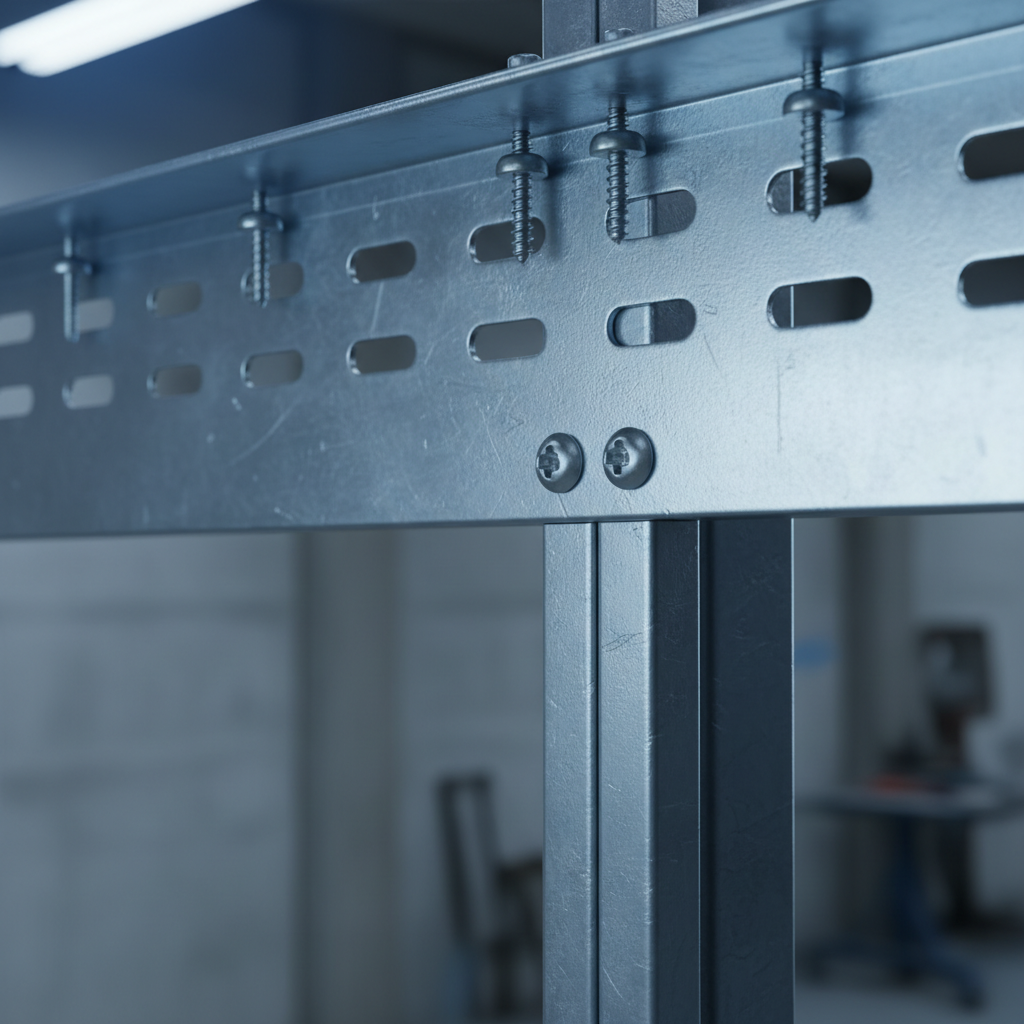
A slotted deflection track is a cold-formed steel head-of-wall track with elongated vertical slots that let fasteners slide as the structure moves. It isolates non-load-bearing studs from the slab or beam above, protecting gypsum joints from compression and tension as floors deflect under live load, wind, or seismic forces.
At its core, a slotted head-of-wall system allows the wall to “float” at the top. Studs are cut short, fastened through slots with shoulder screws or listed slip connectors, and allowed to move vertically within the slot length. Typical designs target 1/2–1 1/2 inches of vertical movement capacity depending on span and use.
In our experience supporting Ontario and cross-border projects, using a properly detailed slotted track reduces callbacks for joint cracking by a measurable margin over rigid top connections. It also simplifies inspection: the intent is visible at layout, and slots provide a clear cue that movement is accounted for.
When acoustic or fire ratings are required, the head-of-wall joint must preserve those performances. That means pairing the track with tested joint systems and maintaining clearances consistently across the corridor or tenant boundary.
For a deeper dive into track selection in context, see our in-depth primer on movement and detailing in our slotted deflection track guide.
Why Slotted Deflection Track Matters
Slotted deflection track prevents drywall cracks and preserves joint integrity as floors move. It also helps maintain fire and acoustic ratings at the head-of-wall, reduces rework, and streamlines inspections—key benefits when schedules are tight and finish quality is in the spotlight.
Movement happens. Live loads, wind, creep, and thermal effects can produce measurable vertical deflection at floor lines. Even 1/2 inch of unaccommodated movement can telegraph through taped joints, doors, and glazing trims. A slotted head-of-wall detail absorbs that motion without transferring it into the gypsum finish.
In multi-family and commercial interiors, we’ve seen tall corridors and demising walls benefit from deep-leg slotted tracks that keep studs engaged while still allowing slip. Over thousands of linear feet, consistent joint performance translates into fewer punch items and smoother turnover.
Beyond aesthetics, rated assemblies must keep smoke and flame in check at the perimeter. A compliant head-of-wall joint, coordinated with tested accessories, maintains the rating even as the structure flexes. The result is safer, quieter buildings and fewer surprises during inspections.
For fundamentals on track choices across assemblies, our slotted track framing guide walks through typical interior and exterior conditions.
How Head-of-Wall Deflection Systems Work
The track anchors to structure; studs are cut short and fastened through vertical slots with shoulder screws or slip clips. As floors move, fasteners slide within the slot, allowing vertical travel while the stud remains laterally engaged. Proper clearances and tested joint materials preserve ratings.
Here’s the practical sequence crews follow on site:
- Layout the head-of-wall line and snap chalk per dimensioned plan.
- Anchor the slotted track to structural concrete or steel at the specified pattern.
- Cut studs short to maintain the required movement gap (often 1/2–1 1/2 inches).
- Seat studs in the track and fasten through the slot with listed screws and washers.
- Install joint materials for smoke/fire rating as specified in the tested assembly.
Two details control performance: the slot length and the fastener pattern. Together they define allowable vertical movement. For example, a 1-inch design movement typically requires a longer slot and specific screw/washers. Always match shop drawings to structural notes before framing begins.
To understand how standard track compares to slotted solutions, our reference on metal stud track basics outlines naming, leg geometry, and common gauges.
Types, Methods, and Approaches
Slotted deflection systems vary by slot geometry, leg depth, and connection method. Common options include continuous-slot tracks, discrete-slot or clip-based slip connectors, and deep-leg slotted tracks for tall walls. Choose the system that matches the wall’s height, rating, and movement target.
Common options you’ll see on drawings
- Continuous-slot slotted track: The most common for interior non-load-bearing partitions; fast, clear, and inspection-friendly.
- Discrete-slot or clip slip systems: Use individual slots or proprietary slip clips; useful where specific movement or detailing is required.
- Deep-leg slotted track: Added leg depth improves stud engagement for tall walls or higher lateral demands.
- Hybrid assemblies: Pairing with resilient channel, furring channel, or sound isolation for acoustic goals.
Comparison at a glance
| Option | Typical Use | Movement Handling | Pros | Considerations |
|---|---|---|---|---|
| Standard Track | Non-deflection, fixed head | None | Simple, widely available | Risk of cracking if floors move |
| Slotted Deflection Track | Most interior partitions | 1/2–1 1/2 in. typical | Clear intent; easy to inspect | Requires precise stud cut length |
| Deep-Leg Slotted | Tall walls, added stability | 1/2–1 1/2 in. typical | Better engagement; reduced rotation | Height coordination with openings |
| Clip-Based Slip | Special conditions | Varies by clip | Targeted movement control | More components to coordinate |
For a broader framing context, review our notes on bottom plate layout and tolerances in framing bottom plate basics—head-of-wall success starts at the floor.
Slotted Deflection Track “Price”: What Really Drives Value
Without listing numbers, the biggest drivers behind perceived slotted deflection track price are gauge, leg depth, slot geometry and movement capacity, corrosion protection, and delivery logistics. Aligning these with project demands prevents overspec, limits rework, and protects finish quality.
Here’s how we see the value conversation play out on active projects across Ontario and the U.S.:
- Gauge (thickness): Light gauge for standard interiors; heavier gauges for tall spans or higher lateral demands. Selection should follow load tables and wall height.
- Leg depth: Deeper legs increase engagement and stiffness; useful in tall corridors and near door frames where rotation control matters.
- Slot geometry & movement capacity: The slot length and screw/washers define allowable slip. Match movement targets from structural notes.
- Coatings and protection: Galvanized coatings for typical interiors; enhanced protection where moisture or coastal exposure is a factor.
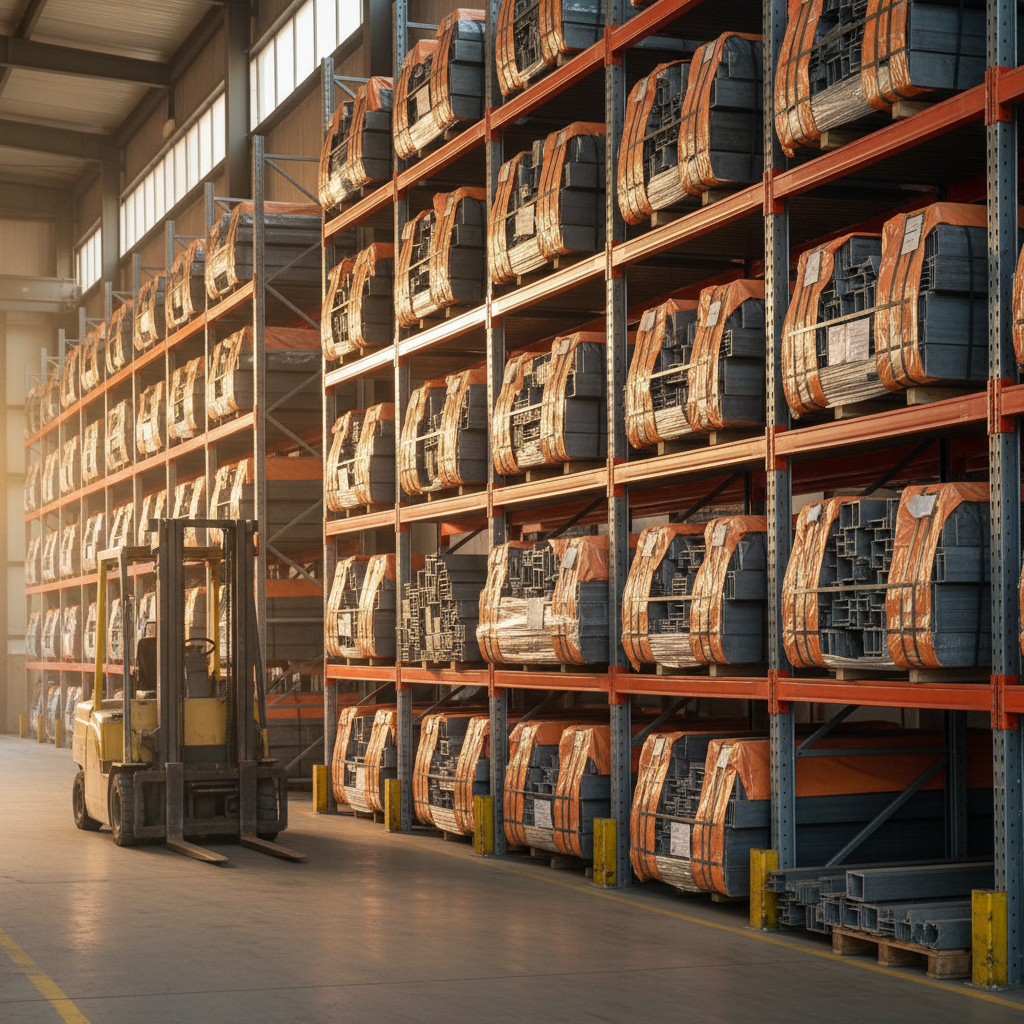
- Logistics: Bundle sizes, staging, and dependable delivery reduce on-site handling time and idle labor.
We encourage procurement teams to start with the wall’s job: height, rating, and design movement. Then back into gauge, leg depth, and slot length—not the other way around. This approach keeps submittals aligned, shortens review cycles, and makes inspectors happy at closeout.
For product-level details, see the Dass Metal Products slotted deflection track specifications and our standard track product page for fixed-head comparisons.
Best Practices and Field Checklists
Successful head-of-wall details come from consistent layout, correct fasteners, and verified movement gaps. Use these field-ready checklists to align design intent, shop drawings, and installation so finished joints stay clean, rated, and crack-free over time.
Design and coordination
- Confirm design movement from structural notes and translate to slot length requirements.
- Choose gauge and leg depth based on wall height and lateral demands using load tables.
- Verify rated joint details (fire/smoke/acoustic) and ensure compatible materials.
- Coordinate openings and door heads so deep-leg tracks don’t conflict with hardware.
Installation workflow
- Snap head-of-wall lines and anchor the slotted track to structure per pattern.
- Cut studs to maintain the movement gap and verify at each bay.
- Use shoulder screws/washers through slots; avoid over-torquing which restricts slip.
- Install acoustic and fire materials per tested assembly; maintain clearances.
Quality control and closeout
- Document slot visibility and fastener pattern in photos for the as-built record.
- Check movement gaps at intervals; verify no bridging materials restrict slip.
- Confirm rated joint continuity around penetrations and intersecting walls.
For deeper framing integration topics, our overview on steel studs and tolerances explains how layout and bracing choices upstream improve head-of-wall performance downstream.
Local considerations for 370 New Enterprise Way
- Plan deliveries around regional traffic peaks to keep crews framing while materials arrive just-in-time from Vaughan-based production.
- Account for winter conditions: indoor staging and moisture control protect galvanized tracks and joint materials before installation.
- Leverage Dass Metal’s engineering support to confirm slot lengths for typical Ontario spans where mid-rise corridors see measurable live-load deflection.
Tools, Load Tables, and Resources
Use Dass Metal Products brochures, imperial/metric load tables, and standards to select gauge and confirm movement capacity. Our in-house engineering team reviews non-standard profiles and tight schedules so submittals move fast and installers have what they need on day one.
Resources we provide every day to builders and drywall contractors:
- Product brochures with slot geometry, leg options, and compatible accessories.
- Load tables (imperial and metric) to match gauge and leg depth to wall height.
- Standards and MSDS documentation for code submittals and safety binders.
- Engineering support for custom profiles and schedule-driven reviews.
For a broader context on interior walls and acoustics, see our notes on movement and finishes in this primer on the benefits of steel in non-load-bearing walls.
Case Studies and Field Examples
Real projects show why performance-first selections beat line-item chasing. These brief examples highlight typical conditions—office TI, tall corridors, and acoustic partitions—and how slotted tracks kept finishes clean and inspections simple while staying aligned with tested assemblies.
Office tenant improvement (commercial interior)
- Condition: 3-5/8 inch non-load-bearing partitions under post-tensioned slab.
- Movement target: 3/4 inch vertical; moderate corridor traffic.
- Approach: Continuous-slot slotted track; shoulder screws; resilient channel in select rooms.
- Outcome: Reduced joint repairs at punch; inspectors could see intent immediately.
Mid-rise corridor (tall walls)
- Condition: Tall demising walls; door head rotations from repeated slams.
- Approach: Deep-leg slotted track to keep studs engaged; bridging channel for stability.
- Outcome: Better lateral control; clean reveals at doors over time.
Education fit-out (acoustics)
- Condition: Music rooms and classrooms requiring sound isolation.
- Approach: Slotted track with resilient channel and putty pads to reduce flanking paths.
- Outcome: Improved acoustic separation while preserving head-of-wall slip.
For movement theory and detailing basics in one place, our deflection track guide collects the fundamentals contractors ask about most.
Frequently Asked Questions
Get quick, job-ready answers to common head-of-wall questions. These clarify when to use slotted tracks, how to fasten correctly, and how to document compliance without slowing the schedule.
When should I use slotted deflection track?
Use slotted deflection track when the head-of-wall must accommodate vertical movement from live loads, wind, or seismic drift. Check structural notes and specifications. If movement is called out, a slip detail at the head keeps finishes from cracking and helps preserve ratings.
How much movement should the slots allow?
Typical design targets range from 1/2 inch to 1 1/2 inches of vertical movement. Always match slot length and fastener details to the design requirement shown on structural and architectural drawings, and confirm during submittal review.
Can I fasten studs tight to the top track?
No. Fasten through the vertical slots with listed shoulder screws and washers or use a tested slip connector per the detail. Tight fastening defeats the purpose of the slotted track and can lead to cracks when the structure moves.
How do I document compliance for inspections?
Provide submittals showing the specified slot geometry, gauge, and movement capacity, plus any tested head-of-wall joint details. During installation, keep photo records of slot visibility, fastener patterns, and maintained gaps to streamline final inspections.
Is deep-leg slotted track always required for tall walls?
Not always. Deep legs improve engagement and reduce rotation, which helps on tall or high-traffic corridors. Evaluate wall height, openings, and lateral demands. Where appropriate, deep-leg slotted track provides extra control without changing the movement target.
Key Takeaways
Choose slotted deflection track based on the wall’s job: movement, height, and rating. Then set gauge, leg depth, and slot length to match. With consistent QC and the right logistics, you’ll hand over clean finishes and keep inspectors satisfied—without chasing line items.
- Start with performance (movement, rating), not a generic SKU.
- Match gauge and leg depth to wall height using load tables.
- Use listed fasteners or slip clips; don’t over-torque.
- Document gaps, slot visibility, and fastener patterns.
- Coordinate deliveries to cut handling and idle time.
Conclusion
The smartest way to approach slotted deflection track price is to specify for performance and schedule. Align movement, gauge, leg depth, and logistics with your assemblies; your finishes stay crack-free, ratings hold, and closeout runs smoother across Ontario, Canada, and U.S. projects.
Dass Metal Products manufactures Canadian-made, CSSBI-certified framing components and supports builders with brochures, load tables, and engineering guidance. If your drawings call for head-of-wall slip, we can help you select the right profile and keep your crews building.
Soft CTA: Need a quick review of your head-of-wall detail? Share your drawings with our team, or reference our internal movement primer in the slotted deflection track guide for a fast start.