Finding the right MSDS or SDS documentation for steel studs and metal framing starts with identifying the exact product supplied to the project. A broad search for “steel studs” is not enough when a job includes different profiles, gauges, tracks, channels, clips, or custom components.
MSDS is a term many construction teams still use when searching for product safety documentation. Current records may instead be labeled SDS. The practical priority is to match the document to the manufacturer, component, profile, and project material, then retain it with the appropriate project records.
MSDS and SDS: what the terms mean
MSDS and SDS refer to the same general category of safety data documentation, but terminology may differ between websites and project records. Searching both terms can help locate the relevant record.
The label alone does not confirm a match. Compare the document’s product identification with the steel studs, track, channel, or other component actually supplied.
Start with the exact steel framing product

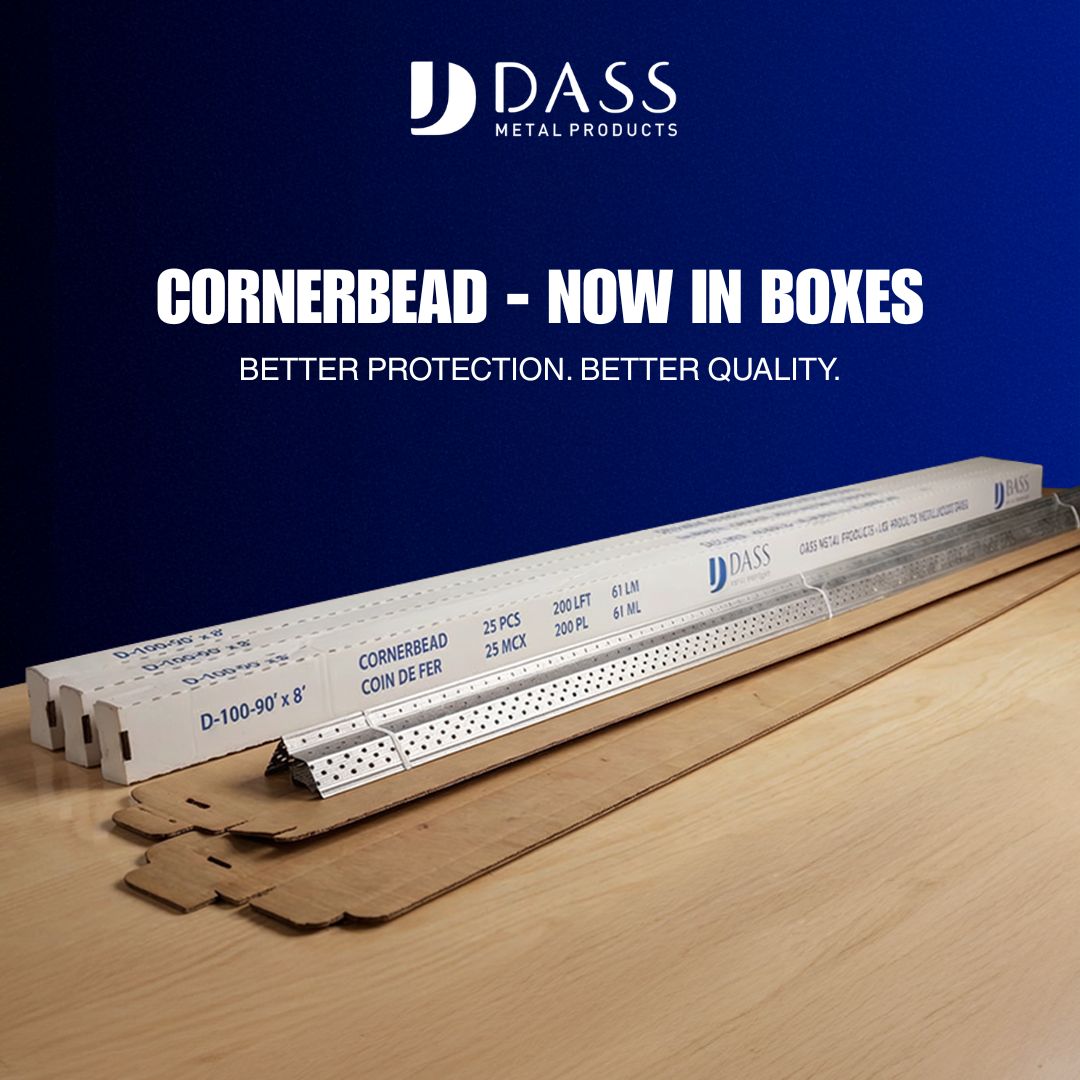
“Metal framing” describes a broad product group rather than one interchangeable material. Dass Metal Products supplies light- and heavy-gauge components for interior and exterior framing, including studs, tracks, channels, clips, and drywall finishing trims. Each category should be identified before documentation is selected.
Begin with the order, packing records, product labels, drawings, or material schedule. If Canadian steel studs come from more than one source, record the manufacturer as well as the component description so documents are not mixed between suppliers.
Details to verify before using a document
- Manufacturer: Confirm that the document belongs to the company that supplied the material.
- Component: Identify whether it is a stud, standard track, slotted deflection track, deep track, bridging channel, resilient channel, clip, trim, or another product.
- Profile: Compare the shape, dimensions, and profile description where recorded.
- Gauge: Check the gauge when it forms part of the product identification or specification.
- Reference: Connect the document to the purchase order, delivery, project area, or material schedule.
- Document identity: Note the version, issue date, or other information shown on the record.
These are verification steps, not a replacement for project documentation practices or applicable requirements. If a key detail does not match, pause and confirm the product identity.
Product categories that may need separate review
Different components in a steel stud framing system should not automatically be treated as the same product. A project may contain non-load-bearing light-gauge steel studs, load-bearing stud framing, standard track, slotted deflection track, deep track, bridging channel, and resilient channel.
These categories should be identified separately in project records. If a shipment combines several components, create a separate identification record for each rather than attaching one generic document to the entire delivery.
SDS records versus other technical resources
Construction teams often collect several types of information for one framing project. Keeping their purposes distinct prevents an SDS record from being used to answer a design or specification question it was not intended to answer.
- MSDS or SDS documentation: Product safety information associated with the identified material.
- Product brochures: General product characteristics, options, and range information.
- Load tables: Supported design information where the product and conditions match.
- Standards: Referenced technical criteria identified by the project or manufacturer.
- Engineering assistance: Product-specific or project-specific clarification.
Dass Metal identifies brochures, metric and imperial load tables, standards, and MSDS documentation among its technical resources. Review each resource according to the question being asked.
A practical workflow for finding the right documentation
1. Record the supplied component
Write down the manufacturer, product name, profile, gauge where relevant, order or project reference, and whether the material is standard or custom.
2. Search the manufacturer’s resources
Use both “MSDS” and “SDS” with the specific component name. Do not rely only on broad phrases such as “steel studs” or “metal framing.”
3. Compare the document with the material
Check the manufacturer, product description, profile, and other identifying details. A record for standard track should not automatically be used for deep track or slotted deflection track.
4. Confirm the document identity
Record the version, date, or other identifying information shown. Connect it to the relevant order or project area.
5. Stop when the match is uncertain
Do not fill gaps with assumptions based on appearance or similar product names. Request product-specific clarification before filing or distributing the document.
Organize documentation for the project team
Retain the correct record with the project documentation used by the relevant contractor, distributor, designer, or site team. Label it with the product name and connect it to the applicable order, delivery, or project area.
Keep SDS records separate from load tables, brochures, standards, and engineering correspondence. A document register can show which record belongs to each product without implying that one document answers every technical question.
When to request product-specific assistance
Ask for assistance when you cannot locate the relevant document, several profiles appear similar, or the supplied material does not match the record. Direct clarification is also appropriate for custom profiles or unusual dimensions.
Dass Metal Products is a Vaughan, Ontario manufacturer and supplier of steel studs and metal framing systems. Its engineering team works with customers on tailored profiles, dimensions, and quantities, so product-specific questions can be directed to the company rather than resolved by guessing.
When requesting help, provide the product name, component type, profile, gauge where relevant, order or project reference, delivery information, and a description of the uncertainty.
What MSDS or SDS documentation cannot confirm by itself
An SDS or MSDS record is not a substitute for project specifications, load tables, standards, engineering review, or applicable jurisdictional requirements. Its presence in a project file does not by itself confirm that a component is suitable for a particular design or installation.
When a question concerns design capacity, assembly performance, a custom profile, or a project-specific requirement, use the appropriate technical resource and seek qualified clarification.
MSDS and SDS documentation FAQ
Is MSDS the same as SDS?
MSDS is the older term commonly used for safety data documentation, while current records may be labeled SDS. Searching for both terms can help locate a document, but you must still verify the manufacturer and product identity.
Which document should I use for steel framing?
Use the MSDS or SDS record matching the exact steel framing product supplied. Keep it separate from brochures, load tables, standards, and engineering information because those resources answer different questions.
What should I do if I cannot find the document for my product?
Recheck the product name, manufacturer, profile, gauge where relevant, and order or delivery records. If the match remains unclear, contact Dass Metal Products instead of relying on a record for a similar component.
How should custom steel profiles be documented?
Match documentation to the custom profile’s order or project reference and retain the identifying details supplied with the material. Because a custom profile may not use a standard product name, confirm the correct record directly with Dass Metal when necessary.
Build a dependable documentation record
The reliable approach to MSDS SDS documentation is product matching, not broad searching. Identify the exact steel stud or metal framing component, compare the record with the supplied material, and keep SDS documentation distinct from design resources.
If the product identity or document match remains uncertain, contact Dass Metal Products for product-specific documentation or engineering assistance. The Vaughan, Ontario manufacturer serves projects across Ontario, Canada, and the United States.