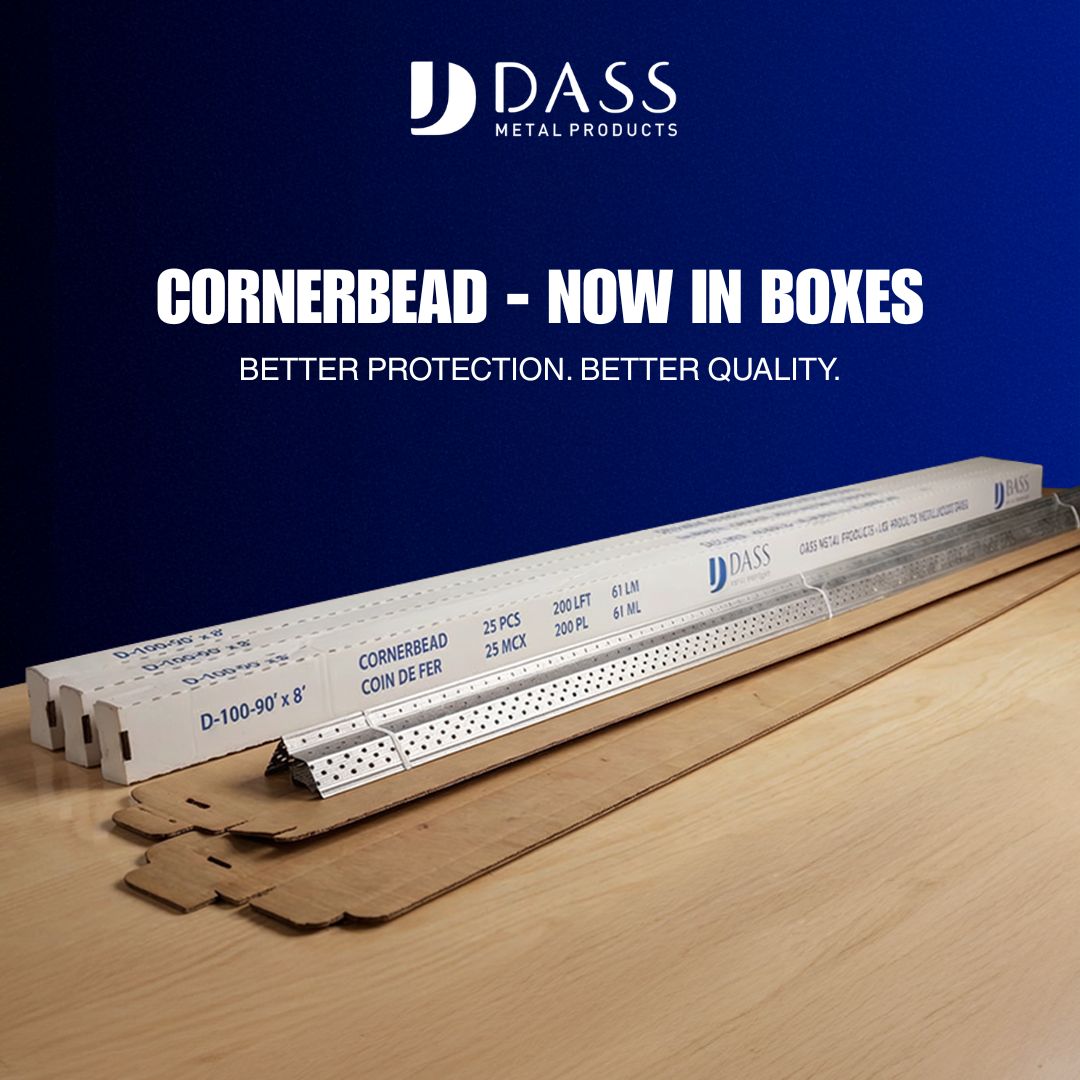
Light gauge steel framing cost refers to the total investment needed to design, procure, and install cold-formed metal studs, tracks, and accessories. The main drivers are gauge and grade, stud height and spacing, openings and details, labor productivity, and logistics. Aligning these early delivers predictable budgets across the United States and Canada.
By Navjot Dass — Dass Metal Products
Last updated: 2026-06-26
Summary & Table of Contents
Light gauge steel budgets stabilize when you standardize details and lock the lightest compliant gauge. This guide shows what to specify, how to stage deliveries, and which accessories to bundle so crews move faster and waste drops—turning a variable scope into a predictable, code-friendly system.
- What is light gauge steel framing?
- Why it matters for budget and risk
- How the system works (specs to field)
- Cost factors and levers you control
- Types, methods, and approaches
- Best practices to lower installed cost
- Tools and resources
- Mini case studies
- FAQ
- Related topics in stud systems
- Key takeaways
- Conclusion
What Is Light Gauge Steel Framing?
Light gauge steel framing is a cold-formed system of galvanized studs, tracks, and channels—typically 25 to 16 gauge—used to build non-structural and select structural walls and ceilings. Members are formed from high-strength coil steel (often 33–50 ksi), delivering dimensional stability, noncombustibility, and precise, repeatable installation.
In practice, “light gauge” covers interior partitions, shaftwalls, soffits, ceilings, and, with heavier gauges, certain load-bearing conditions. At Dass Metal Products, our manufacturing spans non-load-bearing studs, load-bearing studs, standard track, slotted deflection track, deep track, bridging/carrying channel, resilient channel, and drywall finishing trims. That breadth helps specifiers keep details consistent—one of the fastest ways to reduce rework.
- Dimensional stability: Steel does not warp or shrink, which protects finishes and reduces call-backs.
- Code alignment: Noncombustible assemblies simplify approvals in many occupancies.
- Precision: Tight roll-forming tolerances accelerate board installation and produce cleaner reveals.
- Documentation: Manufacturer load tables and standards help reviewers verify spans and details quickly.
For an accessible primer on concepts and terminology, see our clear framing overview and this deeper dive into light gauge studs. If your scope includes tall or structural walls, pair this with our heavy gauge framing guide to compare approaches.
Why Light Gauge Steel Framing Matters for Budget and Risk
Light gauge steel reduces budget volatility by staying straight, dry, and dimensionally true. Crews waste fewer cuts, tapers fight fewer cracks, and inspectors recognize familiar details. When materials and details are standardized, installation time becomes linear and contingency is easier to protect.
Here’s the thing: you’re not buying studs—you’re buying outcomes. Crack-free corners, smooth inspections, and on-time turnover. Cold-formed steel supports those outcomes because it resists movement that ruins finishes, and it works seamlessly with deflection and acoustic strategies that reviewers expect. Because components are engineered, your crew’s productivity becomes repeatable from floor to floor.
- Fewer finish defects: Stable framing helps avoid shrinkage cracks that add taping cycles.
- Predictable labor: Repeated, pre-engineered details keep hours per linear foot consistent.
- Reliable supply: Canadian manufacturing with cross-border delivery supports United States schedules.
- Lifecycle value: Durable, noncombustible framing supports decades of service.
For strategies to build faster while maintaining quality, reference our 2026 light gauge framing guide, which complements the cost controls in this article.
How Light Gauge Steel Framing Works (Specs to Field)
Coil steel is roll-formed into studs and tracks, cut to length, and bundled. In the field, crews anchor tracks, plumb studs at 16 or 24 inches on center, add bridging/carrying channel, and integrate deflection and acoustic details before board. Clear fastener patterns and pre-cut lengths keep the process fast and repeatable.
The workflow moves through five predictable gates: engineering, takeoff, manufacture, delivery, and installation. When these gates are coordinated, lead times tighten and crews spend more time installing and less time handling or reworking. That’s why buildable details and staged deliveries show up as lower variance later.
- Engineering: Confirm heights, loads, gauge/grade, and deflection/acoustic strategies.
- Takeoff: Quantify studs, tracks, channels, clips, trims, and screws with one schedule per typical.
- Manufacture: Roll-form to spec; cut to length; label bundles for zones or floors.
- Deliver: Sequence to reduce double handling; align with elevator windows and laydown limits.
- Install: Set track, place studs, add bridging, integrate details, then board and inspect.
For system-level considerations and how framing ties into adjacent scopes, our steel framing systems guide shows the connections between interior partitions, ceilings, and finishing elements.
Light Gauge Steel Framing Cost Factors (What Drives Budget)
The biggest levers on light gauge steel framing cost are gauge and grade, stud height and spacing, head-of-wall strategy, acoustic approach, openings, fastener patterns, and logistics. Decide these once, early, and you’ll turn a variable scope into a standard, buildable package that quotes cleanly and installs faster.
Control the variables you can see on a plan. In our experience, five decisions determine outcomes: specification clarity, profile standardization, accessory bundling, prefab opportunities, and delivery cadence. Get those right and you lower both material waste and crew idle time.
Primary material variables
- Gauge and grade: Heavier gauges and higher-ksi steel increase weight and handling time. Engineer to the lightest compliant option.
- Stud height and spacing: Stud counts scale directly with spacing; moving from 16 to 24 inches on center reduces studs per linear foot by one-third.
- Track selection: Standard, deep, and slotted deflection tracks add different capabilities; pick one approach per condition.
- Openings: Doors and sidelites introduce kings, jacks, and headers; repeating the same sizes reduces custom work.
Labor and logistics variables
- Fastener schedules: Over-fastening slows crews; follow engineered patterns rather than adding extras.
- Bridging/carrying channel: Frequency rises with height; spacing it correctly keeps studs in plane and tapers efficient.
- Access and laydown: Elevators and staging dictate handling. Zone deliveries shrink travel time between pallets and walls.
- Panelization: Pre-building typical panels reduces site variance when sequence and access allow.
To understand how non-load-bearing selections translate to performance, review our product page on light gauge interior framing for common shapes and options.
Types, Methods, and Approaches You Can Specify
Match products to performance: non-load-bearing studs for most interiors, heavier studs for tall or structural walls, standard or deep track for tolerance, and slotted deflection track when the structure moves. Add resilient channel or furring when acoustics or plumb adjustment are priorities.
Core framing components
- Non-load-bearing studs (light gauge): Efficient at 16–24 inches on center; align gauge with height and board layers.
- Load-bearing studs (heavy gauge): Coordinate with engineering and code listings for tall/perimeter or structural partitions.
- Standard track: Straightforward base and head-of-wall where no movement is expected.
- Deep track: Adds tolerance for uneven slabs and aids taller walls.
- Slotted deflection track: Allows vertical movement; protects finishes from slab/beam deflection.
Stability and performance accessories
- Bridging/carrying channel: Controls stud buckling and keeps planes flat for board; frequency increases with wall height.
- Resilient channel: Decouples gypsum to raise STC; orient and fasten per detail to avoid short-circuiting.
- Clips and connectors: Webslide clips, deflection side clips, and similar hardware accelerate repeatable fastening.
- Finishing trims: J trim, L trim, and 90°/130° cornerbead create durable, clean edges.
For a side-by-side on where light and heavy gauges fit, see our heavy gauge framing guide. For installation nuances that keep waste low, our steel stud wall framing guide distills field-proven practices.
Best Practices to Lower Total Installed Cost
Standardize openings and details, engineer to the lightest compliant gauge, request pre-cut lengths, and stage deliveries by zone. These moves reduce rework, crew idle time, and material scrap—shrinking overall light gauge steel framing cost without compromising code or quality.
Design-phase moves
- Engineer to the lightest compliant gauge: Validate spans and loads with manufacturer tables to avoid overbuild.
- Commit to a single deflection strategy: Use slotted deflection track everywhere it’s needed—don’t mix details.
- Standardize door kits and headers: Reuse the same king/jack/header details to speed layout.
- Bundle acoustic assemblies: Specify resilient channel, clips, and board layers together.
Procurement and manufacturing
- Pre-cut to length: Factory cutting reduces field snips and cleanup.
- Profile standardization: Fewer shapes mean fewer SKUs to handle, track, and install.
- Delivery cadence: Align truckloads to floor turnover so crews always have the next zone ready.
Field execution
- Layout templates: Use jigs for 16/24 inches on center; it eliminates tape measures on every stud.
- Fastener patterns: Confirm counts at kickoff to avoid over-fastening.
- Inspect deflection gaps: Check before board to prevent future cracking at head-of-wall.
If you’re coordinating multiple trades in tight timelines, our 2026 framing playbook shows how standardized details speed inspections and closeout.
Tools and Resources You Can Use Today
Specification clarity wins. Use manufacturer load tables (metric and imperial), product brochures to lock shapes, and MSDS for submittals. Pair those with recognized cold-formed steel practices to reduce RFIs and speed approvals across Canada and the United States.
- Load tables: Confirm span capacity against wall height and spacing.
- Product brochures: Fix dimensions, lips, and return details before ordering.
- MSDS and handling: Ensure safe storage and installation on occupied sites.
- Checklists: One framing schedule per typical: gauge/grade, spacing, deflection, bridging, acoustics.
For a concise rationale that helps non-technical stakeholders, share this short explainer on why cold-formed framing performs. It’s a helpful bridge between design intent and jobsite execution.
Send us your wall schedule and typicals. Our engineering team will confirm gauges, recommend profile standardization, and stage a delivery plan that keeps crews moving—so your framing budget behaves the way it should.
Mini Case Studies and Real-World Examples
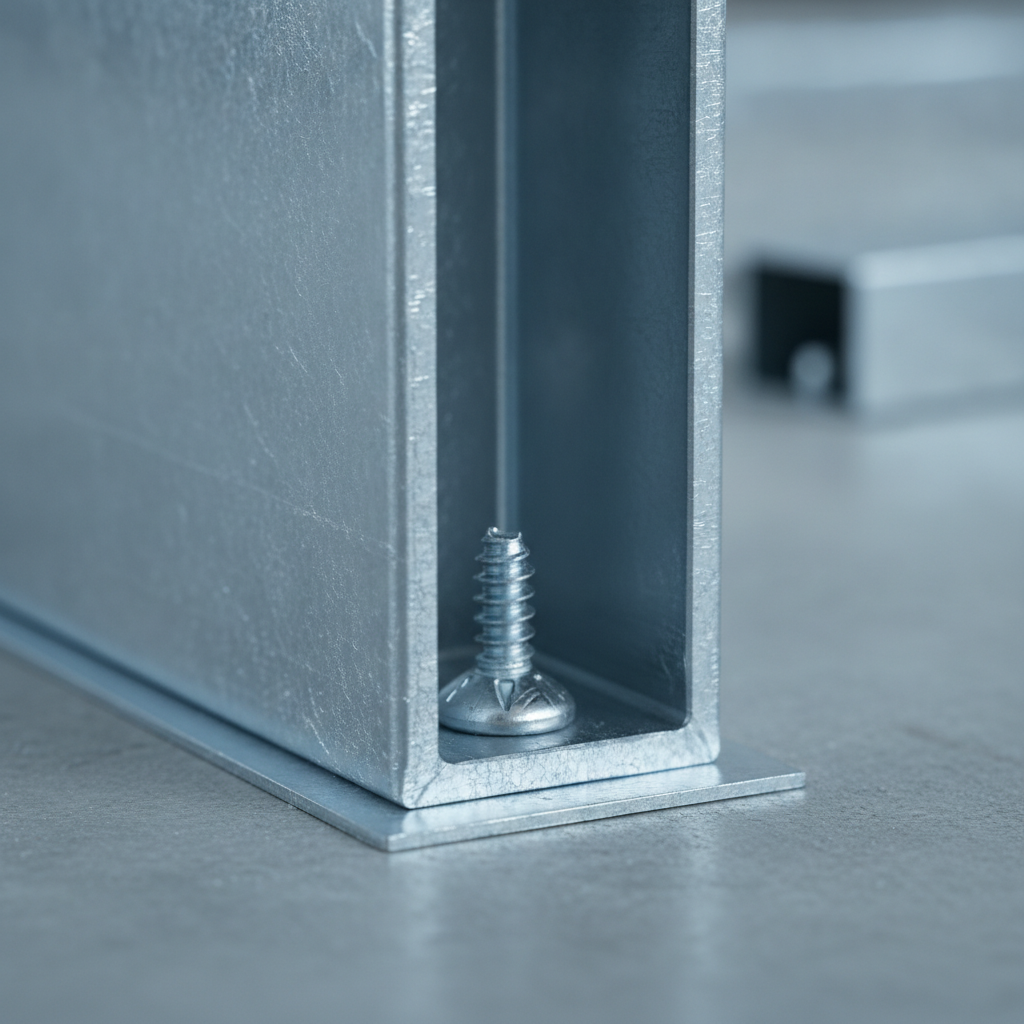
Coordinated specs plus staged delivery reduce variance. Standardizing slotted deflection track and resilient channel cuts RFIs, while pre-cut lengths reduce scrap. These real-world moves help crews maintain pace and deliver cleaner inspections across repeatable floor plates.
- Healthcare tenant fit-out: One deflection detail across all perimeters ended board cracking at head-of-wall and smoothed inspections from level to level.
- Education renovation: Deep track absorbed slab irregularities. Crews spent less time shimming, more time installing studs and board.
- Corporate office: Bundled acoustic assemblies (resilient channel plus clips) met STC targets the first time—no rework between inspection rounds.
- Spec standardization: Repeating three door sizes eliminated custom headers and cut layout time per opening.
- Zone deliveries: Sequencing pallets to wings kept travel distance short; crews framed, bridged, and boarded in a single pass.
For homeowners exploring basic concepts, a simple walkthrough like this basement framing guide explains framing ideas in everyday language. It’s not a spec reference, but it can help set expectations with non-technical stakeholders.
Frequently Asked Questions
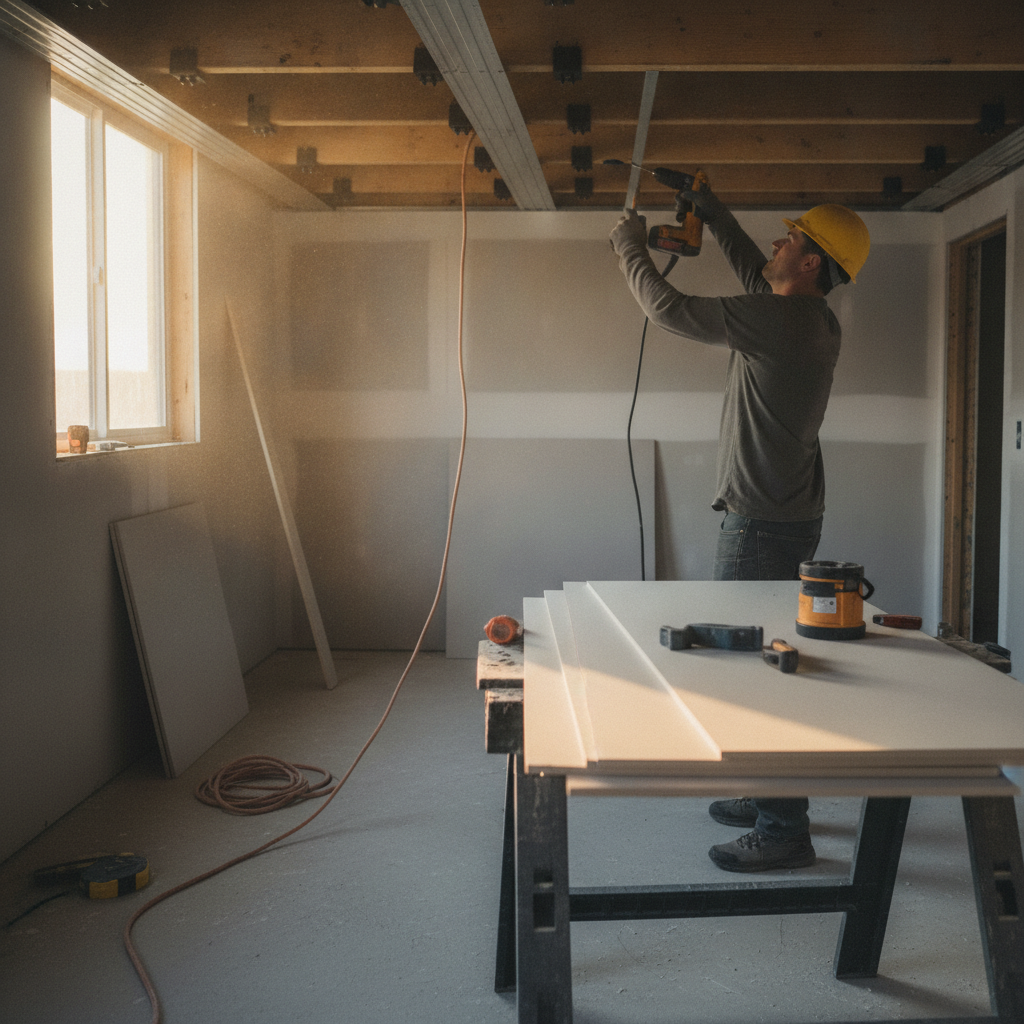
Contractors ask most about gauges, spacing, deflection, acoustics, and panelization. The short answers below keep projects moving: choose the lightest compliant gauge, standardize details across typicals, and stage materials to the workface to minimize handling time.
What gauges are typical for interior non-load-bearing walls?
Most interiors use 25 to 20 gauge studs, typically formed from 33–50 ksi steel, at 16 or 24 inches on center. Taller walls, shaftwalls, or specific fire/acoustic assemblies may require heavier gauges based on span and performance.
When should I specify slotted deflection track?
Use slotted deflection track wherever vertical movement between structure and partition is expected—perimeters, under roof decks, or beneath multi-story framing. It protects finishes at the head-of-wall by allowing movement without transmitting stress to the board.
Does resilient channel improve acoustics enough to justify it?
Yes—when installed correctly with compatible clips and board layers. Decoupling the gypsum layer can raise STC ratings significantly in offices, healthcare, hospitality, and education, improving speech privacy and comfort.
How do I keep takeoffs consistent across floors?
Create a single framing schedule that lists gauge/grade, spacing, deflection details, bridging frequency, and acoustic components. Apply it to typical conditions and mark exceptions on elevations. This reduces overbuild and prevents conflicting notes.
Related Topics in Stud Systems
Light gauge framing connects to bridging channel, resilient channel, deflection track, and finishing trims. Explore companion guides to lock details early so inspectors see familiar, compliant assemblies and crews repeat the same steps across every typical condition.
To connect the dots between selection and field performance, read our steel stud wall framing guide and this high-level light gauge framing playbook. Both map cleanly to common stud system choices, including slotted deflection track, deep track, J/L trims, and resilient channel.
Key Takeaways
Turn framing from variable to predictable. Decide the gauge, spacing, deflection, and acoustic approaches once; standardize openings; request pre-cut lengths; and stage deliveries by zone. Those moves compress variance and protect both schedule and contingency.
- Engineer to the lightest compliant gauge and avoid overbuild.
- Use one deflection approach (slotted track where needed) project-wide.
- Bundle acoustic assemblies—resilient channel, clips, board layers.
- Standardize door sizes and headers to reduce one-off details.
- Align delivery cadence to floor turnover to keep crews productive.
Conclusion
Light gauge steel framing cost becomes predictable when specifications are clear, details are standardized, and logistics match the build sequence. Define assemblies once, validate with engineering, and procure to that standard—then watch install variance shrink and turnover stay on track.
Ready to translate drawings into a buildable package? Share your typicals and wall schedule. We’ll match the right studs, tracks, and channels, and plan deliveries that keep your crews moving from first wall to punch list.