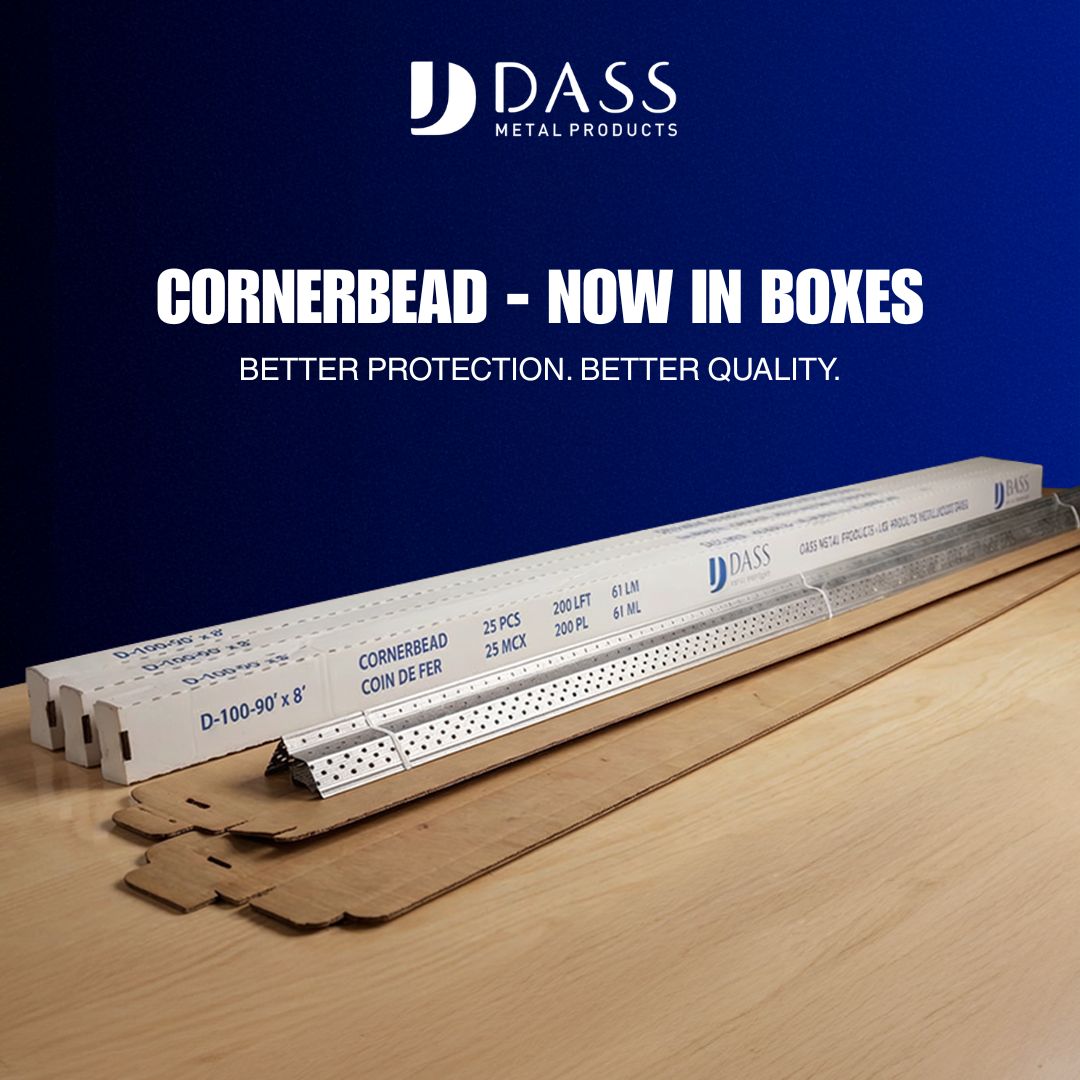
Steel stud size refers to the combination of stud width (web), steel thickness (gauge), and length that determines a wall’s stiffness, capacity, and cavity space. For teams working in 370 New Enterprise Way and beyond, Dass Metal Products engineers align steel stud size with code and schedule so orders arrive right the first time.
By Navjot Dass • Last updated: May 1, 2026
Quick Summary
Steel stud sizing combines width (1-5/8 in. to 8 in.+), thickness (25–16 gauge typical), and length to meet structural, acoustic, and fire goals. Choose width for cavity and span, gauge for height and loads, and verify deflection with the correct track and clips. Confirm selections with manufacturer tables before ordering.
This complete guide explains how to select stud sizes for interior partitions and exterior infill, avoid wrong orders, and coordinate tracks, channels, and clips. You’ll get field-ready checklists, a quick-reference table, and real examples from Dass Metal’s Canadian-made framing lineup supporting projects across Ontario, Canada, and the U.S.
- Understand nomenclature: web (width), flanges, return lip; design vs. minimum thickness
- Match size to use: non-load-bearing vs. load-bearing, tall walls, high-STC assemblies, shaftwall
- Coordinate with tracks: standard, deep, and slotted deflection track for movement
- Stiffen and brace with bridging/carrying channel, resilient channel, and windbrace
- Prevent returns with a 7-point pre-submittal and delivery staging checklist
Table of contents
Use this table of contents to jump to sizing definitions, selection steps, common sizes, best practices, tools, local tips, FAQs, and next steps. Each section includes a featured answer so you can scan and decide quickly.
- What is steel stud size?
- Why steel stud size matters
- How sizing works: width, gauge, length, spacing
- Types and common sizes
- Best practices to prevent wrong orders
- Tools and resources
- Case examples
- Local considerations for 370 New Enterprise Way
- Steel stud size: FAQ
- Conclusion and next steps
- Explore more in framing
What Is Steel Stud Size?
Steel stud size is the web width, steel thickness (gauge), and length of a cold-formed, C-shaped member. Width drives cavity and span, thickness controls strength and screw pull-out, and length matches wall height and deflection criteria. Correct sizing ensures code compliance, straight walls, and fast drywalling.
In metal framing, “size” isn’t one number. It’s a set of dimensions and properties that work together with matching track, bridging, and clips. At Dass Metal Products, we manufacture light and heavy gauge studs and complementary components so each selected size performs as specified across interior framing, exterior structural framing, and drywall finishing sections.
Key terms you’ll use
- Web (stud width): Common options include 1-5/8 in., 2-1/2 in., 3-5/8 in., 4 in., 6 in., 8 in.+
- Flange: The leg that supports board edges; affects screw engagement and local stiffness
- Return lip: Turned edge that increases torsional rigidity and handling strength
- Gauge / thickness: Light gauge (25, 22, 20) to heavy gauge (18, 16) for taller or loaded walls
- Design vs. minimum thickness: Used for load and screw pull-out calculations; check tables
On interior partitions, a 3-5/8 in. stud is the workhorse because it fits services and creates a comfortable cavity for insulation and MEP. Taller or loaded walls step up to 6 in. or heavier gauges to limit drift and meet deflection targets without adding excessive bridging.
Why Steel Stud Size Matters
Selecting the right size avoids callbacks, cracking, and schedule slips. Width affects cavity and STC, gauge controls allowable height and impact resistance, and length with deflection track manages building movement. Good sizing reduces risk and speeds finishing.
We see two common failure modes when size is mis-specified: partitions that feel flimsy (too light a gauge or wide spacing) and drywall cracking at ceilings (deflection not accommodated). Both are avoidable when stud size is paired with the correct track, bracing, and spacing—and documented clearly before production.
What poor sizing looks like on site
- Oil-canning and waviness: Inadequate stiffness under Level 4/5 finishes shows through paint.
- Door frame racking: Too light a gauge at jambs causes hinge bind and closer issues.
- Ceiling cracks: Fixed tracks under moving structure transmit load into finishes.
- Acoustic leaks: Narrow cavities and missing resilient channel undercut STC targets.
- Return trips: Wrong lengths and gauges trigger change orders and material returns.
What right-sizing delivers
- Cleaner finishes: Straighter walls reduce screw pops and touch-ups.
- Faster board hang: Proper flange and spacing streamline fastening patterns.
- Reliable inspections: Clear submittals tied to tables keep approvals moving.
- Lifecycle durability: Heavier gauges where needed stand up to traffic and fixtures.
Here’s the thing: correct steel stud size isn’t overbuilding—it’s matching performance to risk. For high-traffic corridors, we often combine 20 ga. studs with mid-height bridging channel and corner protection so walls stay true after carts and furniture hits.
How Sizing Works: Width, Gauge, Length, and Spacing
Select width for cavity and span, then choose gauge from manufacturer height/deflection tables. Confirm spacing (12–24 in. o.c.), specify matching track (standard, deep, or slotted), and add bridging. Document all elements—sizes, spacing, doors, and movement—in one submittal.
Below is the practical sequence we use with contractors across Ontario and U.S. projects served from Vaughan. It’s simple, repeatable, and it prevents wrong orders—especially on fast-track interiors.
1) Define performance requirements
- Wall height, fire rating, acoustic target (STC), doors and sidelites, shelving/cabinets, sheathing type
- Exterior infill? Add wind/seismic drift and cladding loads to the checklist
- Movement joints and slab-to-slab tolerances (verify top-of-wall deflection)
2) Choose web width
- 3-5/8 in. for most interiors; 1-5/8 to 2-1/2 in. for soffits and furring
- 6 in. for taller spans or deeper services; 8 in.+ for shafts and equipment chases
- Consider insulation thickness and plumbing rough-ins before locking in width
3) Set spacing
- 16 in. o.c. is the default for typical office and retail partitions
- 12 in. o.c. increases stiffness and impact resistance in abuse-prone zones
- 24 in. o.c. can work with heavier board or furring strategies—verify deflection carefully
4) Select gauge
- Start at 25 ga. for short, non-load partitions under standard finishes
- Move to 20 ga. as height rises, as doors or casework increase loads, or where traffic is heavy
- Use 18–16 ga. for tall interiors, shafts, stair/elevator cores, and exterior infill
5) Pick the track
- Standard track: Fixed connections where the structure above will not move
- Slotted deflection track: Allows vertical movement without crushing studs or cracking finishes
- Deep track: Improves stud capture and helps with tolerance on long runs
6) Brace and coordinate
- Add bridging / carrying channel or windbrace per span and impact zones
- Coordinate MEP penetrations and protection grommets; avoid field notching
- Confirm door kits, headers, and jamb reinforcements suitable to hardware loads
Always confirm final selections against published load/deflection tables and the project’s code path. That documentation backs inspections and keeps drywall hanging on schedule.
Types and Common Steel Stud Sizes
Interior non-load-bearing studs commonly range from 1-5/8 in. to 6 in. webs in 25–20 gauge. Load-bearing and tall walls use 20–16 gauge at 3-5/8 in., 6 in., and 8 in.+. Specialty systems like shaftwall use CH studs sized to board and cavity requirements.
Use these field-proven sizes as a starting point, then verify with manufacturer tables for your specific height, spacing, board layers, and finish requirements.
| Stud width (web) | Typical gauges | Common spacing | Typical use |
|---|---|---|---|
| 1-5/8 in. | 25–22 | 16–24 in. o.c. | Furring, soffits, short partitions |
| 2-1/2 in. | 25–22 | 16–24 in. o.c. | Corridors or chases where narrower walls help |
| 3-5/8 in. | 25–20 | 16–24 in. o.c. | Standard office, retail, classroom partitions |
| 4 in. | 25–20 | 16–24 in. o.c. | Extra cavity for pipes or acoustic insulation |
| 6 in. | 20–18 | 12–16 in. o.c. | Taller interiors, light structural, exterior infill |
| 8 in.+ | 18–16 | 12–16 in. o.c. | Shaftwall, stair/elevator cores (with CH studs) |
Interior partitions (light gauge)
- 1-5/8 to 3-5/8 in. widths in 25–22 ga. handle most office and retail layouts
- Pair with resilient channel and insulation to reach STC targets near conference rooms
- Use standard track unless the structure above moves under live load
Exterior infill and tall walls (heavy gauge)
- 6 in. 20–18 ga. is a frequent solution for height and drift control
- Add windbrace and deep track where cladding stiffness or tolerance demands it
- Verify sheathing type and fastener patterns against deflection limits
Specialty systems
- Shaftwall / CH studs: Sized to board systems and elevator/stair clearances
- Curves: U-Flex track enables radiused partitions without freehand kerfing
- Finishing trims: 90°/130° cornerbead, J trim, L trim for durable, clean edges
Lengths are job-cut or standard (8–16 ft+) to suit story heights. Where structures deflect or drift, specify slotted deflection track and confirm allowable vertical movement at the top of wall. Always include fastening patterns and approved screws in your submittals.
Best Practices to Prevent Wrong Orders
Prevent wrong orders by documenting width, gauge, length, spacing, track type, and bracing in one submittal. Include door locations, deflection requirements, and finish levels. Request a signed approval before release to production and delivery.
Seven items to lock in
- List the six: Web, gauge, length, spacing, track, and bracing/bridging
- Call out doors: Jamb stud size, doubler/box, header type and elevation
- Specify deflection: Fixed vs. slotted deflection track; required movement (e.g., 1/2 in.)
- Note acoustics: Resilient channel, insulation type, perimeter sealants
- Confirm finishes: Board layers, tile backers, corner bead profiles
- Coordinate MEP: Penetrations, protection grommets, blocking or backing
- Approve formally: Sign Dass Metal’s shop ticket before release
Field verification tips
- Measure slab-to-slab height for each zone; note high spots and level variances
- Confirm door and sidelite rough openings and hardware loads early
- Pre-assign bridging locations in elevations to keep crews aligned
Delivery and staging
- Stage by floor or area to reduce re-handling and keep traffic lanes open
- Bundle lengths per zone; label by room numbers or plan gridlines
- Use early-morning windows to move long members without disrupting other trades
In our experience, a precise submittal plus staged deliveries eliminates most jobsite friction. When schedules compress, we can also release partial orders for early areas while final details are approved in later zones.
Tools and Resources for Getting Size Right
Use manufacturer load tables, recognized standards, and simple field tools (laser, tape, caliper) to validate sizes. Digital takeoff and BIM coordination align stud sizes with doors, ceilings, and MEP paths before ordering.
Documents and references
- Manufacturer load/deflection tables organized by width, gauge, and spacing
- Installation best practices for resilient channel, bridging channel, and deflection details
- Acoustic assembly data tying stud sizes to tested STC outcomes
Field and coordination tools
- Laser and tape: Verify floor-to-floor and long-run straightness
- Caliper: Spot-check thickness and confirm delivered gauge matches submittal
- BIM + shop drawings: Lock in door kits, headers, and shaftwall transitions
Coordinating studs with foundations and structural milestones keeps everything moving. For teams planning ahead on concrete and reinforcement, see practical guidance on rebar stirrups best practices, a clear primer on foundation rebar detailing, and supply planning for reinforcing steel logistics. Sequencing these scopes early reduces cascading delays that often impact framing starts.
Case Examples from Ontario and Cross-Border Projects
Real jobs show why size decisions matter. Using 3-5/8 in. 20 ga. at 16 in. o.c. on a 12 ft office wall improved stiffness markedly versus 25 ga. Switching to slotted deflection track eliminated recurring ceiling cracks in a high-traffic corridor.
Office fit-out
- Studs: 3-5/8 in., 20 ga. at 16 in. o.c.; track: standard at base, slotted at head
- Acoustics: Resilient channel plus insulation to separate open office from meeting rooms
- Result: Straighter board and fewer touch-ups; mechanical penetrations coordinated in advance
School corridor refit
- Studs: Upgraded from 25 to 20 ga.; added mid-height bridging channel
- Protection: Durable corner bead and abuse-resistant board at lower third
- Result: Noticeable reduction in impact damage from carts and backpacks
Healthcare clinic with wet walls
- Studs: 6 in., 20 ga. created deeper cavities for plumbing and isolation valves
- Acoustics: Resilient channel and insulation improved speech privacy between exam rooms
- Result: Fewer service conflicts; easier inspections with clear as-builts
Stair/elevator core
- System: Shaftwall / CH studs sized to board system and clearance requirements
- Track: Deep track simplified stud capture and alignment over long runs
- Result: Smooth elevator fitment and faster enclosure
Exterior infill behind cladding
- Studs: 6 in., 18 ga. at 16 in. o.c. with windbrace in drift-prone bays
- Track: Deep track at head and sill to handle tolerance and fastener edge distances
- Result: Controlled deflection, improved substrate flatness for cladding installers
Each example followed the same discipline: define performance, select width and gauge, verify with tables, then pair the right track and bracing. That repeatable approach prevents rework and keeps schedules intact.
Local considerations for 370 New Enterprise Way
- Seasonal humidity swings around Vaughan favor slotted deflection track at tops to absorb building movement and reduce cracking during winter-to-spring transitions.
- Coordinate stud lengths with local delivery windows; we can stage shipments to match floor-by-floor schedules common on GTA projects.
- For cross-border jobs, align size nomenclature (imperial vs. metric) and include both in submittals to streamline inspections on Canadian and U.S. sites.
Steel Stud Size: Frequently Asked Questions
Most questions center on width versus gauge, spacing, and when to use deflection track. Choose width for cavity and services, gauge for height and loads, tighten spacing for stiffness, and use slotted deflection track wherever the structure moves under live load.
What steel stud size is best for standard interior walls?
A 3-5/8 in. stud at 16 in. o.c. is the most common starting point for office and retail partitions. Use 25 ga. for short, non-load partitions and step up to 20 ga. as walls get taller, carry cabinets, or see heavy traffic. Verify with manufacturer height tables before ordering.
How do I choose between 25, 20, 18, and 16 gauge?
Lighter 25 ga. works for short, non-load interior partitions. As height, loads, or abuse risk rise, move to 20 ga., then 18 or 16 ga. for tall spans or exterior infill. Gauge affects stiffness, screw pull-out, and impact resistance. Always confirm with load/deflection tables.
When do I need slotted deflection track at the top of wall?
Use slotted deflection track when the structure above can move from live load, wind, or seismic actions. It allows vertical movement without crushing studs or cracking finishes. Specify required movement and use the manufacturer’s screws and details to maintain performance.
What spacing should I use—12, 16, or 24 inches on center?
Sixteen inches on center is standard for most interiors. Twelve inches increases stiffness for high-abuse zones or thick finishes. Twenty-four inches can work with heavier board or furring strategies but confirm deflection and fastener requirements before selecting 24 in. spacing.
Do I need different stud sizes for door frames and sidelites?
Yes. At frames, increase gauge, double up (boxed) jamb studs, or use manufacturer jamb kits. Confirm closer/hinge loads and header details in shop drawings. Properly sized jambs prevent racking and extend hardware life.
Conclusion and Next Steps
Get steel stud size right by defining performance, selecting width and gauge from tables, pairing the correct track and bracing, and documenting everything in one submittal. This disciplined approach prevents delivery errors and ensures smooth inspections and finishes.
Key takeaways
- Pick width for cavity and services; pick gauge for height, loads, and abuse resistance
- Use slotted deflection track wherever structure moves under live or wind load
- Brace tall or abuse-prone partitions with bridging channel or windbrace
- Document doors, headers, and spacing before release to production
- Use one clear submittal to prevent returns and keep schedules intact
Next step: Send us your wall schedule and door locations. Our engineering team will validate stud sizes, recommend alternatives where helpful, and stage deliveries to keep your crew productive.
Explore More in Framing
Broaden your framing toolkit by pairing correct stud sizes with specialized tracks, channels, and trims. Mastering these components improves quality, speed, and inspections across interiors and exterior infill.
Continue with our guidance on light gauge steel framing fundamentals, common interior wall framing mistakes to avoid, and how steel frame bracing protects your build. For system-level context, see our metal framing systems guide and our in-depth structural steel framing overview.
Free plan review: Email your drawings and a takeoff. We’ll confirm stud sizes, track types, and delivery staging—before you place the order.