Cold-formed steel framing is a system of thin-gauge, cold-shaped steel studs, tracks, and channels used to build nonstructural and structural walls, floors, and roofs. It delivers high strength-to-weight ratios and predictable performance. At 370 New Enterprise Way in Vaughan, our team engineers and supplies complete CFS solutions—precision-made studs, tracks, and accessories—for reliable results.
By Navjot Dass · Last updated: May 31, 2026
Start Here: Above-the-Fold Overview & Table of Contents
Use cold-formed steel framing to build straighter walls, speed cycles, and meet code with confidence. This guide explains what CFS is, how it works, where it wins, and how to specify studs, tracks, channels, and clips—so your team delivers repeatable quality on tight schedules in 2026.
This complete guide is built for builders, drywall and framing contractors, and specifiers who need clear, practical answers fast.
- What cold-formed steel framing is—and why it matters in 2026
- How CFS works, from steel coil to installed wall assemblies
- Studs, tracks, and channels you’ll actually specify on site
- Best practices that cut rework and improve inspections
- Local planning notes for Vaughan and York Region
- Tools, resources, and real-world examples from our projects
- What Is Cold-Formed Steel Framing?
- Why Cold-Formed Steel Framing Matters
- How Cold-Formed Steel Framing Works
- Systems, Components, and Dimensions
- Best Practices for Design and Install
- Planning in Vaughan & York Region
- Tools and Resources
- Case Studies and Examples
- Budget & Procurement Considerations
- Frequently Asked Questions
- Key Takeaways
- Conclusion & Next Steps
Quick Summary
Cold-formed steel framing (CFS) uses thin, high-strength galvanized steel shaped at room temperature to create studs, tracks, and channels. It enables faster, straighter builds with consistent dimensions, typical yield strengths of 33–50 ksi, and common stud depths from 1-5/8 to 8 inches for nonstructural and structural applications.
- Typical stud spacing: 16 or 24 inches on center for interior partitions.
- Common thickness range: 18–97 mil (0.018–0.097 inches), application-dependent.
- Expected fire ratings: 1–2 hours when paired with appropriate gypsum assemblies.
- Typical deflection criteria: L/240 to L/360 for interior partitions at the top track.
- Acoustic targets: STC 50+ for many double-layer drywall assemblies with resilient channel.
What Is Cold-Formed Steel Framing?
Cold-formed steel framing is a lightweight structural and nonstructural system made from sheet steel formed into studs, tracks, and channels. It provides high strength-to-weight performance, precise dimensions, and fast installation with standardized gauges, widths, and pre-punched service holes.
At its core, cold formed steel framing relies on steel coil that’s slit and roll-formed into C-shaped studs and U-shaped tracks. Typical steel yield strengths are 33 ksi for interior studs and 50 ksi for heavier or load-bearing members.
- Shapes: C-studs, U-tracks, channels, angles, and specialty profiles.
- Common widths: 1-5/8, 2-1/2, 3-5/8, 4, 6, and 8 inches.
- Galvanization: Zinc coatings protect against corrosion; coating weights are selected per environment.
- Pre-punching: Service holes often 1-1/2 to 2-1/2 inches, spaced to streamline MEP runs.
- Fasteners: #8 or #10 self-drilling screws are common for studs-to-track and accessory connections.
We support your design and purchasing with engineering, product brochures, and load tables in both metric and imperial, so teams can move from submittals to install without guesswork.
Why Cold-Formed Steel Framing Matters in 2026
Cold-formed steel framing matters because it accelerates schedules, stabilizes quality, and meets fire and acoustic targets in mixed-use and commercial builds. With predictable gauges and dimensions, it reduces layout errors and rework—key when crews are targeting week-by-week turnovers.
Here’s the thing: construction schedules are tighter, buildings are taller, and tolerance windows keep shrinking. Teams need predictable assemblies that pass inspections the first time.
- Speed: Studs arrive straight; crews can frame partitions at 16 or 24 inches o.c. with fewer shims.
- Quality: Straightness and repeatability improve finish quality—fewer waves under long 12-foot boards.
- Safety: Noncombustible framing supports 1–2 hour fire-rated assemblies with correct gypsum and insulation.
- Acoustics: Resilient channel and mineral wool commonly add 3–10 STC points versus direct-fix layouts.
- Span capacity: Heavier gauges (54–97 mil) enable tall walls—think 12–20 feet—when designed correctly.
In our experience supporting Ontario and U.S. projects, the biggest wins come from early coordination: locking stud gauges, heights, and deflection needs during design development so purchasing can order exact lengths and quantities.
How Cold-Formed Steel Framing Works
Cold-formed steel framing starts with galvanized coil slit to width, roll-formed into studs and tracks, then cut to length. On site, tracks anchor to slabs or decks, studs insert at set spacing, and bridging, clips, and deflection details complete a code-compliant assembly.
From coil to C-stud
- Steel coil is slit to precise widths; tolerances often within ±1/32 inch.
- Roll-formers create flanges, lips, and web with consistent geometry across long runs.
- Cut-to-length lines produce studs from 8 to 16 feet as standard; custom cuts reduce waste by 5–15%.
Field assembly sequence
- Layout lines snapped; tracks cut and anchored at 16–24 inch intervals or per engineer’s note.
- Studs installed crown-forward, flanges aligned to face finish; screws #8 or #10 at each flange-to-track point.
- Bridging channels (1-1/2 inches typical) and clips installed at mid-height for stiffness on tall walls.
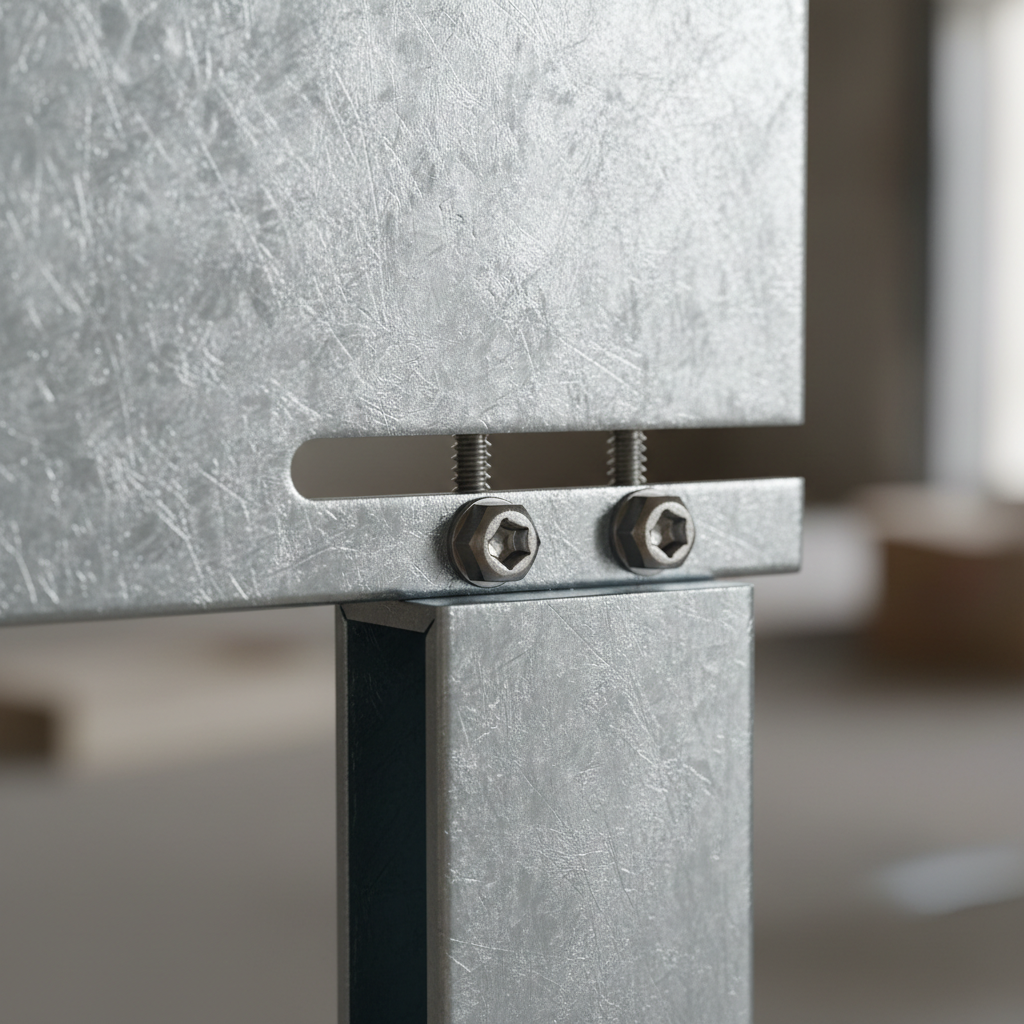
- Deflection track or slotted clip at the head allows ±3/4 inch vertical movement where required.
- MEP runs utilize pre-punched holes; grommets added to protect cabling per spec.
Comparison at a glance
| Criteria | Cold-Formed Steel | Wood Studs | Hot-Rolled Steel |
|---|---|---|---|
| Weight | Light; high strength-to-weight | Light to medium | Heavy |
| Fire Performance | Noncombustible | Combustible | Noncombustible |
| Dimensional Stability | Won’t warp or shrink | Can warp/shrink | Stable |
| Typical Stud Depths | 1-5/8 to 8 inches | 1-1/2 to 7-1/4 inches | Varies by section |
| Install Speed | Fast; screws and pre-punching | Fast; nails/screws | Slow; welding/bolting |
Need a deeper dive into framing decisions? Our steel framing system guide breaks down structural vs. nonstructural choices with practical field checks.
Systems, Components, and Dimensions
A complete CFS system includes studs, tracks (standard, deep, and slotted deflection), bridging/carrying channels, resilient channels, clips, and specialty trims. Selecting the right gauges, widths, and lengths up front reduces waste and keeps your acoustic, fire, and height targets on track.
Studs and tracks you’ll specify often
- Non-load-bearing studs: 18–43 mil for interior partitions; heights of 8–14 feet common.
- Load-bearing studs: 54–97 mil; verify axial and lateral loads, especially for 12–20 foot walls.
- Standard track: U-shaped channel for base and head; common legs 1–2 inches.
- Deep track: Taller legs (2–3 inches) improve stud engagement and tolerance on uneven slabs.
- Slotted deflection track: Allows vertical movement; slots typically 1–1/2 inches to accommodate live-load deflection.
Explore design choices and field tips in our cold-formed metal framing guide and steel studs overview.
Channels, clips, and acoustic elements
- Bridging/carrying channel: 1-1/2 inch cold-rolled channel with bridging clips for lateral bracing.
- Resilient channel: Decouples gypsum to improve STC by 3–10 points in many assemblies.
- Furring channel: Levels substrates; 7/8 inch depth common for ceilings and wall plenum space.
- Clips: Deflection side clips and webslide clips accommodate movement and simplify connections.
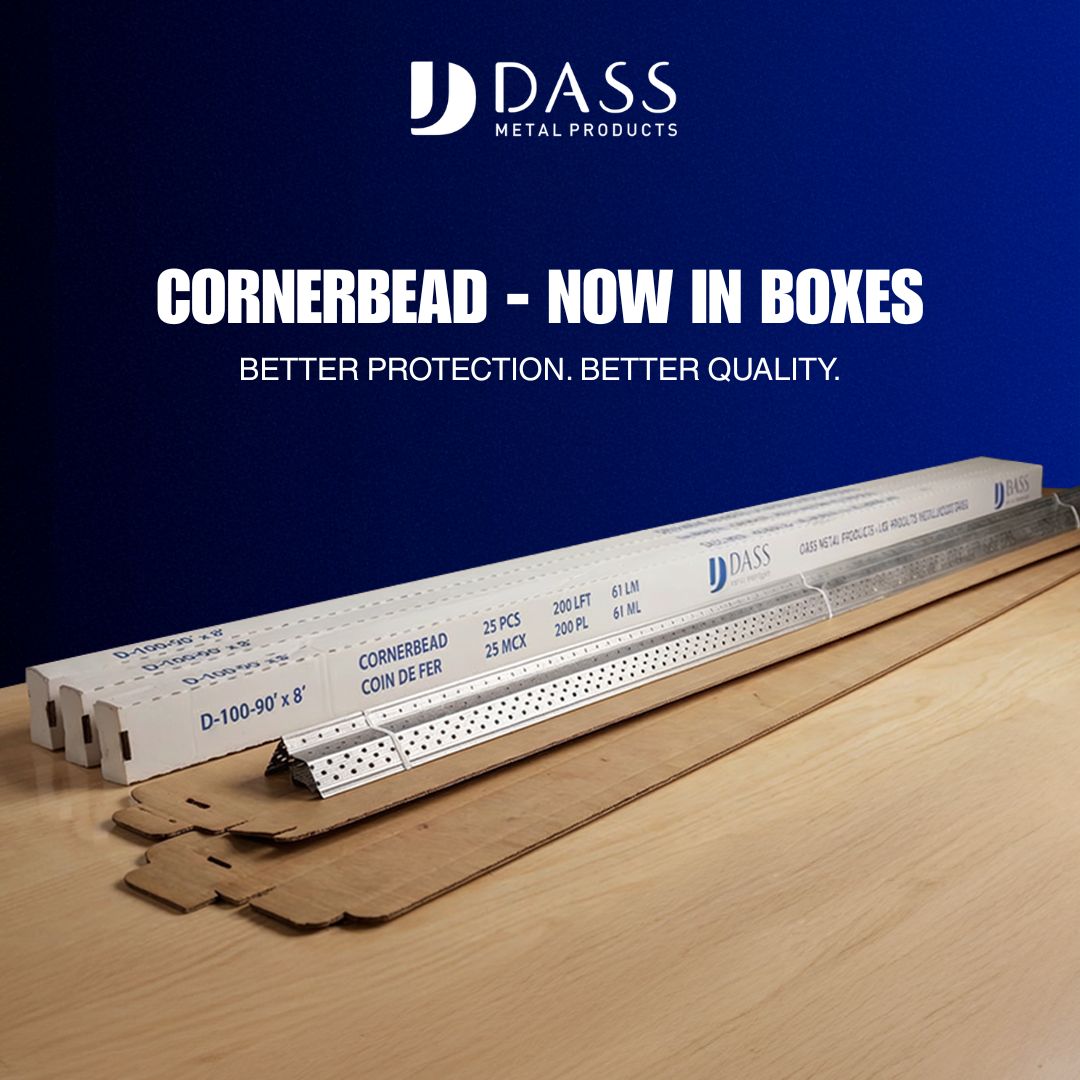
- Special profiles: U-Flex track for curves; trims like J, L, and cornerbeads for clean drywall terminations.
Looking for section sizes? See typical ranges for Canadian projects in this overview of steel stud framing sizes.
Best Practices for Design and Installation
The best results come from early coordination, precise takeoffs, and correct head-of-wall movement details. Standardize gauges and heights across floors, confirm deflection and drift needs, and stage materials so crews maintain 16–24 inch on-center discipline without interruptions.
Design coordination
- Confirm live-load deflection at the head track; ±3/4 inch movement is common in commercial floors.
- Choose stud spacing: 16 inches o.c. for tall or high-load walls; 24 inches o.c. where permitted.
- Lock in gauges by wall height: 33–43 mil for typical 9–10 foot interiors; step up for 12–20 feet.
- Pre-cut openings: Standardize rough widths and headers to reduce on-site cutting by 20–30%.
Field execution
- Anchor tracks properly: 1/4 inch concrete anchors at 24–32 inch spacing unless the engineer specifies otherwise.
- Fastening discipline: #8 screws are typical for studs-to-track; use #10 where thicker steel or clips demand it.
- Bridging placement: Install at mid-height for walls over 10 feet; add a second row above 16 feet.
- Service holes: Use grommets for cabling; keep penetrations 3/4 inch from edges to retain strength.
For a practical field checklist, our metal stud framing guide walks through measurements, squaring, and screw patterns with photos.
Planning CFS in Vaughan and the Regional Municipality of York
Plan cold-formed steel framing with neighborhood realities in mind. From 370 New Enterprise Way in Vaughan, we coordinate engineered studs, tracks, and delivery windows across the Regional Municipality of York to keep installations moving and inspections predictable—even during peak building seasons.
Local conditions influence staging, delivery routes, and inspection timing. Here’s how we keep your framing rhythm steady.
- Delivery windows: Coordinate lift-gate or boom truck access; site constraints can add 20–40 minutes per drop.
- Seasonal shifts: Winter glazing delays may require slotted head-of-wall details to accommodate added movement.
- Crew flow: Stagger drywall hang behind framing by 24–48 hours to hold schedule without compressing inspection windows.
Local considerations for 370 New Enterprise Way
- Schedule deliveries to avoid peak bus traffic near the Highway 50 – Zum Queen Stop EB corridor; morning windows reduce delays by 10–20 minutes.
- When working near Queen St / Highway 50, plan staging so material pallets clear pedestrian routes and bus stops.
- Cold snaps increase slab curl risk; verify deep track leg heights (2–3 inches) to absorb irregularities during winter months.
Tools and Resources
Leverage engineering support, metric/imperial load tables, and detailed product brochures to speed submittals and procurement. Standardized SKUs for studs, tracks, and channels reduce ordering errors and keep crews building, not waiting.
For quick specification and submittals, reference these product overviews aligned with our manufacturing standards:
- Nonstructural framing reference: non-load-bearing steel framing (light gauge)
- Structural framing reference: load-bearing stud framing (heavy gauge)
- Dimensional quick-check: steel stud sizes overview
Prefer a narrative walkthrough? Start with our steel framing systems guide and the companion metal framing systems overview.
Case Studies and Field Examples
Projects across Ontario show the value of early coordination, standardized gauges, and prefabrication. By fixing dimensions up front and using slotted deflection tracks where needed, crews cut rework, held inspections, and delivered straighter finishes under tight turnover targets.
Mid-rise office fit-out (12-foot interiors)
- Partition heights: 12 feet; stud gauge 43 mil at 16 inches o.c. for glass fronts and long board runs.
- Acoustics: Double 5/8 inch gypsum with resilient channel achieved STC 52 in conference rooms.
- Productivity: Pre-cut studs in 1/2 foot increments reduced on-site cutting by about 25%.
Healthcare renovation (head-of-wall movement)
- Movement requirement: ±3/4 inch vertical deflection at the deck; slotted deflection track used along corridors.
- Infection control: Materials staged to minimize dust; screws and clips bagged to avoid open bins.
- Result: Passed inspections on first submission; zero rework on head-of-wall details.
Prefabricated exterior panels (winter install)
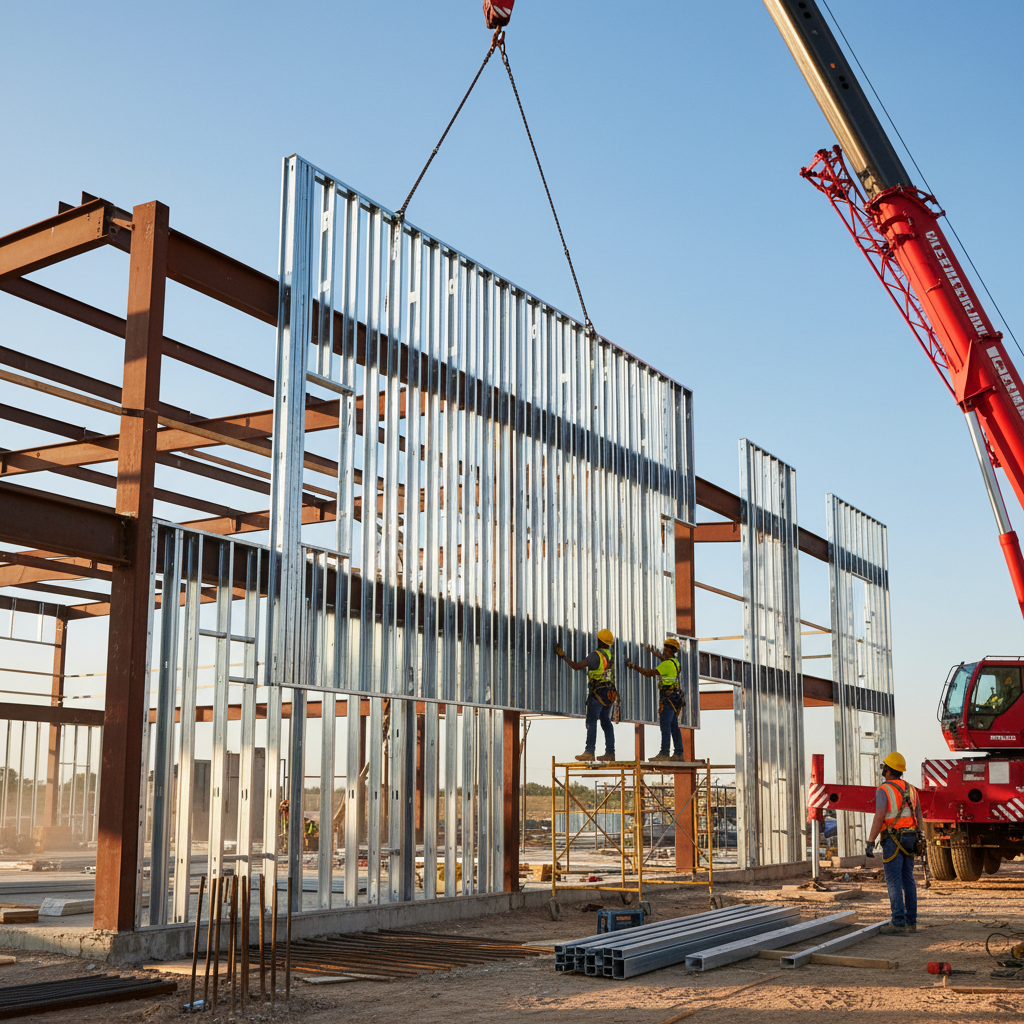
- Panel sizes: 8 by 24 feet; studs at 16 inches o.c. with 54 mil sections for wind loads.
- Lift planning: Crane picks averaged 12–15 minutes each; panel-to-panel alignment held within ±1/8 inch.
- Schedule: Enclosure advanced by roughly two weeks compared to stick-built estimates.
Budget & Procurement Considerations (No Pricing)
Focus on value levers you can control: standardize stud heights, order custom lengths to reduce scrap, and align gauges with wall heights. Early engagement with engineering keeps submittals clean and avoids late-stage reorders that can shift schedules.
- Standardization: Repeat 9, 10, and 12 foot lengths floor-to-floor to simplify ordering and staging.
- Custom lengths: Reduce scrap by 5–15% by cutting to exact heights instead of trimming on site.
- Accessory kits: Bundle bridging clips, deflection clips, and fasteners to avoid mid-day supply runs.
- Submittal clarity: Include stud gauge, spacing, and head-of-wall detail on every wall type elevation.
Soft CTA: Want help aligning specs to field realities? Review our steel framing system guide and set up a quick coordination call with our engineering team.
Frequently Asked Questions
These concise answers address the questions we hear most from builders and specifiers. Each response is field-tested and focused on clarity so you can make decisions quickly and keep schedules intact.
What is cold-formed steel framing used for?
Contractors use cold-formed steel framing for interior partitions, shaft walls, soffits, and load-bearing walls in mid-rise and commercial projects. It’s dimensionally stable, noncombustible, and fast to install with standardized studs, tracks, and channels.
How do I choose the right stud gauge?
Match gauge to wall height, spacing, and loads. For 9–10 foot interiors, 33–43 mil often works at 16–24 inches o.c. Taller or load-bearing walls may require 54–97 mil sections. Confirm with engineering and project load tables before ordering.
Do I need a slotted deflection track?
Use slotted deflection track when the floor or roof above is expected to move under live load. Slots—often about 1-1/2 inches—allow vertical movement without transmitting load to non-load-bearing walls, helping prevent cracking and call-backs.
What spacing should I use—16 or 24 inches on center?
Use 16 inches o.c. for taller walls, heavy finishes, or high-traffic areas. Use 24 inches o.c. where permitted and where finish requirements are lighter. Always verify spacing against the specified gauge, height, and finish to maintain stiffness and flatness.
Key Takeaways
Standardize early, specify precisely, and stage materials for flow. Cold-formed steel framing delivers straight, noncombustible, code-ready assemblies—especially when gauges, deflection details, and accessories are locked before procurement.
- Cold-formed steel framing provides high strength with 33–50 ksi steels across 18–97 mil thicknesses.
- Deflection details at the head-of-wall prevent cracks as floors move under live load.
- Resilient channel and mineral wool can boost STC into the 50s for quiet rooms and suites.
- Custom lengths and standardized heights reduce scrap by 5–15% and speed install.
- Bridging placement (1-1/2 inch channel) stabilizes tall walls over 10–16 feet.
Conclusion & Next Steps
Cold-formed steel framing is the reliable path to straighter walls, faster cycles, and clean inspections. Lock gauges and details during design, order exact lengths, and stage accessories—then watch finish quality improve while schedules stay intact.
If you’re standardizing across multiple buildings, our team in Vaughan can help align gauges, heights, and movement details to your templates.
Keep learning with our internal resources woven through this article:
- Concepts and components: cold-formed metal framing guide
- Product-level insights: steel studs overview
- System planning: steel framing systems guide
- Broader system context: metal framing systems overview
- When metal studs beat wood: using steel studs