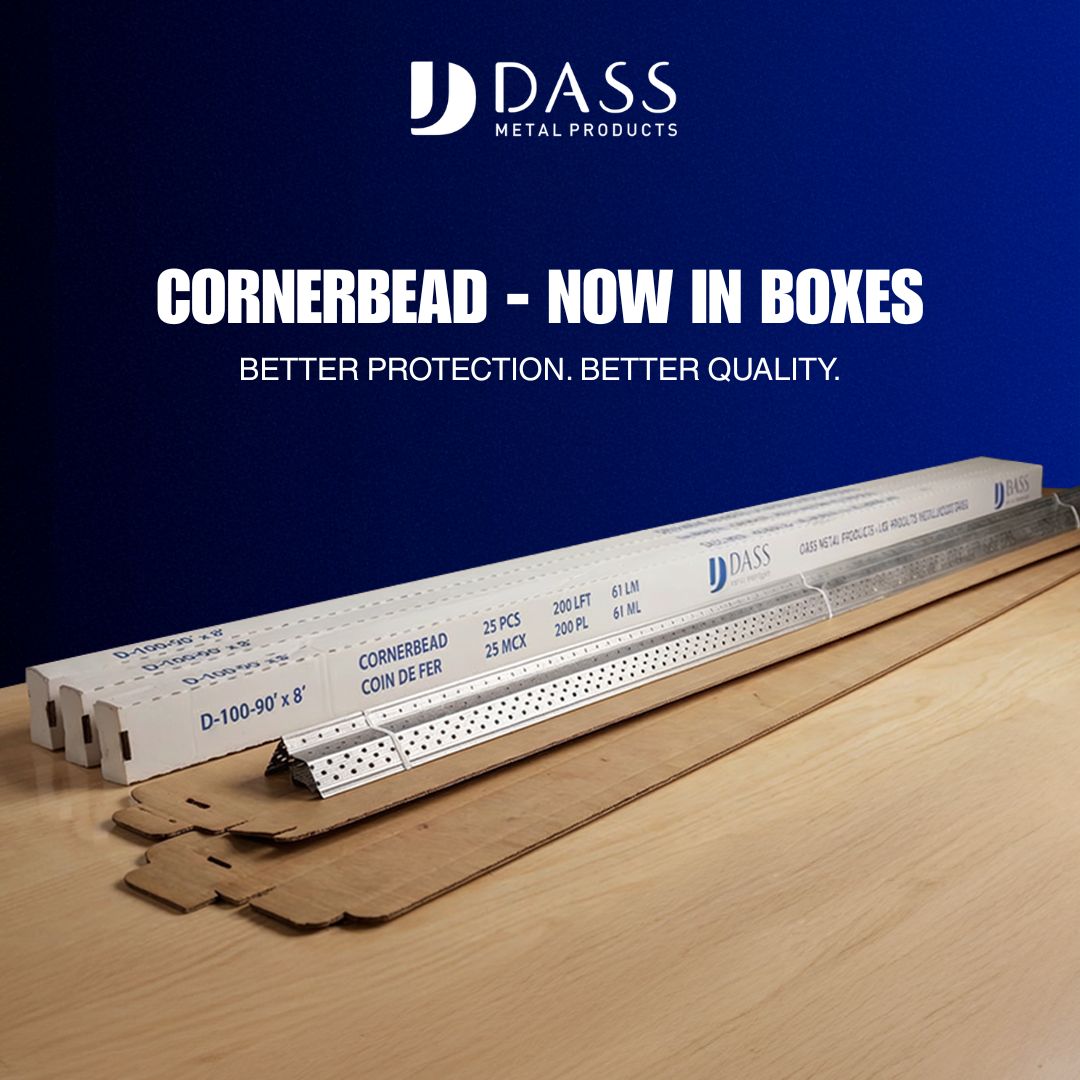
Light gauge steel framing suppliers manufacture and distribute cold-formed steel studs, tracks, and accessories used to build straight, durable walls and ceilings. From our base at 370 New Enterprise Way in Vaughan, Dass Metal Products supports projects across the Regional Municipality of York and North America. The right partner delivers code-compliant materials, dependable logistics, and engineering support.
By Navjot Dass — Dass Metal Products
Last updated: June 3, 2026
Overview
Light gauge steel framing suppliers provide cold-formed studs, tracks, and accessories manufactured to precise tolerances. At 370 New Enterprise Way in Vaughan, within the Regional Municipality of York, we produce Canadian-made components with engineering documentation, CSSBI alignment, and reliable delivery—so builders can frame faster while maintaining acoustic, fire, and structural performance.
- What you’ll learn: how light gauge framing works, which components matter, and what to check before you buy.
- Who it’s for: builders, drywall and framing contractors, architects, engineers, and distributors.
- Why it matters: straighter walls, cleaner MEP routing, quicker inspections, and fewer call-backs.
- Actionables: supplier scorecard, specification checklist, and field-tested best practices.
- What Is Light Gauge Steel Framing?
- Why Supplier Choice Matters
- How Light Gauge Framing Works
- Types, Components, and Approaches
- How to Evaluate Light Gauge Steel Framing Suppliers
- Best Practices for Specifying, Ordering, Installing
- Tools, Standards, and Resources
- Case Studies and Field Examples
- Frequently Asked Questions
- Key Takeaways
- Conclusion and Next Steps
What Is Light Gauge Steel Framing?
Light gauge steel framing is a cold-formed system of C-shaped studs and U-shaped tracks—plus channels, clips, and trims—used for non-load-bearing partitions and select load-bearing or exterior applications. Members are roll-formed from galvanized sheet steel, providing dimensional stability, fire resistance, and straight lines for faster board-up.
Cold-formed steel (CFS) members are shaped at room temperature, then assembled with screws. Common stud widths include 1-5/8 in., 2-1/2 in., 3-5/8 in., 4 in., and 6 in. Typical thicknesses appear in mils such as 18, 27, 30, 33, 43, and 54. Pre-punched knockouts streamline electrical and low-voltage routing on 16 in. or 24 in. spacing.
For a deeper primer, see our light gauge framing guide, which outlines how CFS differs from wood and summarizes standard dimensions, coatings, and tolerances builders lean on during submittals.
- Core parts: C-studs, U-tracks, deep and slotted deflection tracks, bridging/carrying channels, and resilient channels.
- Finish accessories: J trim, L trim, Z-Bar, 90°/130° cornerbeads, and flat strips for crisp edges.
- Bracing and clips: windbrace, webslide/bridging clips, deflection side clips, utility angles, hanger and tie wire.
Why it matters: CFS delivers predictable geometry. Straight members reduce shim work; consistent knockouts prevent ad-hoc drilling; and galvanized coatings help resist corrosion in interior environments.
Why Choosing the Right Supplier Matters
The right light gauge supplier protects your schedule and compliance. Prioritize certification, engineered documentation, consistent QA, and logistics that stage by area and floor. Late or inconsistent deliveries ripple across trades and can cost days in rework and coordination.
In our experience supporting Ontario and U.S. projects, the difference is in the details: submittal-ready load tables, stamped letters when needed, and packaging that matches floor plans. As we outline in our steel framing systems guide, reliable staging alone can trim hours per crew per day—especially on multi-floor interiors.
- Certification & QA: Ask for CSSBI alignment and mill test documentation that confirms thickness, yield, and coating.
- Engineering support: Access to experienced engineers for custom profiles or movement details reduces RFIs.
- Documentation: Load tables (imperial/metric), MSDS, and install notes speed approvals and inspections.
- Delivery: Cross-border capability and tight lead-time control keep carpenters and board crews productive.
Reality check: visually similar studs can differ in flange width by fractions of an inch, affecting clip fit and board alignment. Standardize SKUs and verify tolerances early.
How Light Gauge Framing Works (Cold-Formed Steel Basics)
Cold-formed steel studs and tracks are roll-formed to precise dimensions, then screwed together into walls and ceilings. Consistent knockouts, straight members, and zinc coatings speed layout, MEP rough-in, and inspections—delivering cleaner lines and durable assemblies.
Studs are roll-formed with consistent webs and flanges. Tracks cap the bottom and head of walls. Deep and slotted deflection tracks accommodate slab movement, preventing binding and cracking at the head-of-wall. Bridging channel improves stiffness; resilient channel decouples board for better acoustics.
For the fundamentals of cold forming—including how precise roll tooling controls web depth and flange width—our cold-formed steel framing explainer covers tolerances and typical coatings used on interior and exterior components.
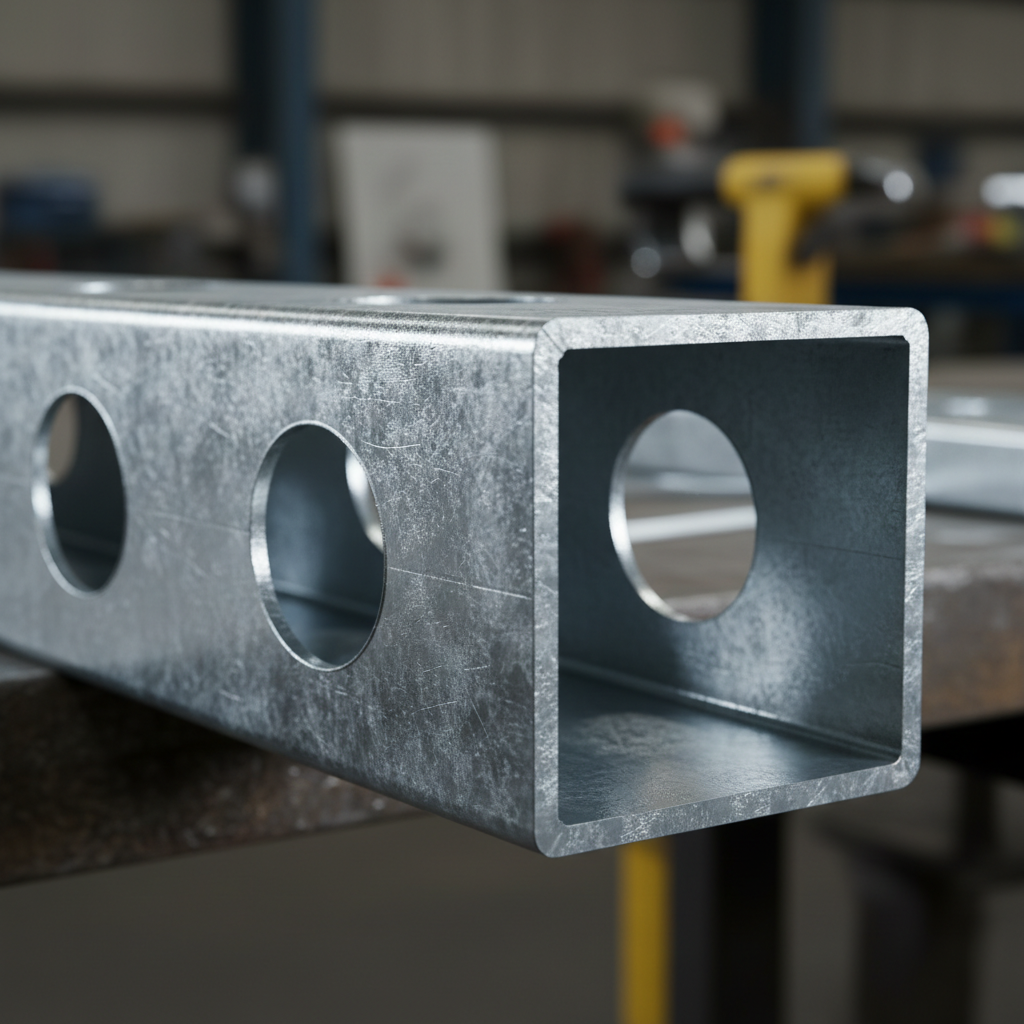
- Typical thicknesses (mils): 18, 27, 30, 33, 43, 54—verify allowable loads against supplier tables.
- Common coatings: galvanized zinc layers that help resist interior moisture and jobsite handling.
- Fastening: self-drilling screws at prescribed spacing; clips/angles where movement or loads demand.
Because steel doesn’t twist or shrink, finishers get straighter corners and tighter reveals. On long corridors, that shows up in fewer bowed lines and faster board-up.
Types, Components, and Approaches
A complete steel stud framing system includes studs, tracks, channels, trims, and engineered clips. Matching each component to its role—deflection, bridging, or acoustics—prevents rework and improves durability, appearance, and inspection outcomes.
Dass Metal Products manufactures a full interior framing lineup—non-load-bearing (light gauge) through heavier profiles for structural demands—plus trims and specialty clips. Explore our non-load-bearing steel framing page for stud widths, mil options, and compatible tracks and channels used on typical partitions.
- Studs: non-load-bearing for partitions; heavier gauge for load-bearing or exterior conditions.
- Tracks: standard U-track for base and head; deep track and slotted deflection track for movement.
- Channels: bridging/carrying channel to control lateral movement; resilient channel to improve STC.
- Clips & bracing: deflection side clip, webslide/bridging clips, windbrace, and utility angles.
- Finishing trims: J trim, L trim, Z-Bar, and 90°/130° cornerbeads for durable, clean edges.
Tip: pair resilient channel with insulation in high-privacy spaces. Where slabs deflect, use slotted deflection track or engineered deflection clips to avoid ceiling cracks and door-binding issues over time.
How to Evaluate Light Gauge Steel Framing Suppliers
Evaluate light gauge steel framing suppliers on certification, engineering, documentation, range, custom capability, and logistics. Score each factor for your risk profile. The best partners provide submittal-ready documents and stage materials by area and floor to keep crews productive.
| Criteria | What to Check | Why It Matters | Action |
|---|---|---|---|
| Certification & Standards | CSSBI alignment; references to AISI/ASTM | Ensures code-compliant product and consistent quality | Request certificates and a sample submittal |
| Engineering Support | Stamped letters, detailing input, custom profiles | Reduces RFIs and site improvisation | Ask for recent engineered examples |
| Documentation | Load tables (imperial/metric), MSDS, install notes | Speeds approvals and inspections | Verify current revision dates |
| Product Range | Studs, tracks, channels, trims, clips | One PO; fewer coordination gaps | Match SKUs to drawings |
| Custom Capability | Special profiles, cut-to-length | Solves unique geometry or constraints | Share shop drawings early |
| Logistics | Cross-border delivery; staged packaging | Keeps trades working; less downtime | Confirm area-by-area staging |
| Quality Control | In-plant QA checks; mill records | Predictable tolerances and fit | Request the QA overview |
We’ve watched projects regain days when framing arrived labeled by zone and elevation, with knockouts aligned to MEP layouts. For step-by-step planning across wall types, see our steel stud wall framing walkthrough.
Need submittal-ready documents? Our engineers support head-of-wall deflection, resilient channel assemblies, and custom profiles. We’ll align SKUs to drawings, package by area, and plan deliveries by floor.
Connect with our team to review details before you mobilize.
Best Practices for Specifying, Ordering, and Installing
Standardize SKUs, define movement joints, and coordinate MEP paths early. Provide area-by-area takeoffs and request staged deliveries. These steps reduce waste and accelerate board-up without sacrificing acoustic or fire performance.
Specification checklist
- Studs: list width, flange size, and thickness in mils (e.g., 3-5/8 in., 1-1/4 in. flange, 33 mil).
- Tracks: call standard, deep, or slotted deflection tracks at the head-of-wall per movement needs.
- Channels: specify bridging/carrying channel and resilient channel spacing within assemblies.
- Trims: indicate J trim, L trim, Z-Bar, and cornerbead type (90°/130°) in finish schedules.
- Coating: state galvanized finish and any required exterior protection.
Ordering and logistics
- Request labeled bundles by zone, elevation, and floor; confirm hoist/elevator limits.
- Submit a delivery sequence that matches trade flow—framing, MEP rough-in, then board.
- Ask for cut-to-length where repetitive heights repeat across bays to reduce field cutting.
- Verify lead times for custom profiles before demolition to lock sequence.
Installation pointers
- Use slotted deflection track or engineered clips where independent movement occurs above partitions.
- Align stud knockouts with electrical/low-voltage layout; avoid field drilling.
- Coordinate resilient channel with insulation to hit target STC and avoid bridging points.
- Maintain screw spacing and edge distances per documentation for consistent performance.
To compare wood-to-steel conversions and sequencing wins, our heavy gauge framing guide outlines where switching systems pays back in straighter lines and predictable schedules.
Tools, Standards, and Resources
Use recognized standards and supplier documentation to simplify approvals. Pair load tables with national design specifications and best-practice notes. A single, consistent submittal set reduces RFIs and speeds inspections.
- Design specifications for cold-formed steel members and framing systems to verify mil thickness and allowable loads.
- Industry guidance on acoustics, fire-rated assemblies, and head-of-wall deflection treatments.
- Logistics planning resources for multi-trade sequencing and staged deliveries across floors.
For teams coordinating concrete and light gauge schedules together, these JDass resources help align reinforcement, staging, and deliveries across trades: see steel reinforcement supply guidance, review Ontario rebar supplier insights, and explore rebar supplier planning to tighten logistics across slabs and partitions.
Case Studies and Field Examples
Builders shorten schedules when framing arrives staged, documented, and cut to spec. The examples below show how supplier choice affects outcomes across interiors and light exterior framing—reducing handling time and smoothing inspections.
Office tower TI, Regional Municipality of York
- Area-labeled bundles matched corridor and suite zones; crews moved material once.
- Pre-approved submittals (load tables, trims) removed approval lag between floors.
- Result: straighter corridors with 3-5/8 in. studs and fewer punch items at corners.
Healthcare tenant build-out
- Resilient channel and specified insulation improved acoustic privacy between exam rooms.
- Deflection track at head-of-wall prevented door binding as slabs cycled seasonally.
- Result: cleaner inspections and predictable STC performance across tested assemblies.
Retail façade refresh
- Deep track and windbrace supported framing behind new cladding geometry.
- Cut-to-length studs reduced field cutting across repetitive 10 ft. bays.
- Result: faster sign-off and fewer site modifications.

Across these projects, the common thread was planning. When SKUs were standardized and deliveries staged, MEP could pull wire through consistent knockouts without rework, and board crews followed with minimal shimming.
Local considerations for 370 New Enterprise Way
- Plan deliveries outside peak traffic near Queen St / Highway 50 to keep docks clear and crews moving.
- Winter sequencing: stage interior studs and resilient channel early to avoid weather-driven slowdowns.
- For cross-border teams, coordinate staging and documentation so Canada–US crews receive identical SKU packs.
Frequently Asked Questions
Light gauge steel framing questions often focus on sizing, acoustics, movement, and supplier vetting. These concise answers address what most builders and architects ask during specification and buyout.
What gauges are typical for interior non-load-bearing walls?
Common thicknesses range from 18 to 33 mils, often described using gauge language like 25 (approx. 18 mil) through 20 (approx. 33 mil). Verify actual mil thickness and allowable loads with supplier tables before finalizing assemblies and submittals.
Do I need slotted deflection track at every head-of-wall?
Use slotted deflection track or engineered clips wherever the structure above moves independently of the partition. This prevents binding and cracking as slabs deflect or expand/contract. Follow engineered details and fire-stopping requirements for each assembly.
How does resilient channel affect sound ratings?
Resilient channel decouples gypsum board from framing to reduce sound transmission. Performance depends on spacing, insulation, and assembly type. Review tested assemblies and the supplier’s acoustic notes to select a system that meets your target STC.
Can I mix steel stud brands on the same project?
Avoid mixing unless documents allow it and dimensions are proven compatible. Differences in flange width, punch patterns, or coating can slow installation and complicate inspections. Keep submittals consistent for smoother approvals and fewer field surprises.
When should I request custom profiles?
Request customs when geometry, loads, or finishes demand non-standard dimensions. Early coordination with engineering shortens lead time and avoids field modifications. Provide shop drawings and quantities to lock production and logistics.
Key Takeaways
Select a light gauge steel framing supplier with certification, engineering support, and reliable logistics. Standardize specs, plan movement joints, and stage deliveries. These steps reduce waste and speed board-up while preserving acoustic and fire performance.
- Certification, documentation, and logistics drive outcomes more than unit price.
- Match components to details: deflection, acoustics, bracing, and trims.
- Use supplier load tables alongside national design specifications.
- Stage deliveries by zone/floor to keep crews productive and inspections on pace.
Conclusion and Next Steps
Partnering with the right supplier turns framing from a commodity into a schedule win. Dass Metal Products manufactures CSSBI-aligned studs, tracks, channels, trims, and clips—and supports your team with engineering, documentation, and cross-border delivery.
Ready to tighten tolerances and simplify submittals? Our engineers collaborate on non-load-bearing and load-bearing details, from slotted deflection track to resilient channel assemblies. Explore our light gauge framing guide and let’s align SKUs to drawings so your crews can move faster—safely and consistently.