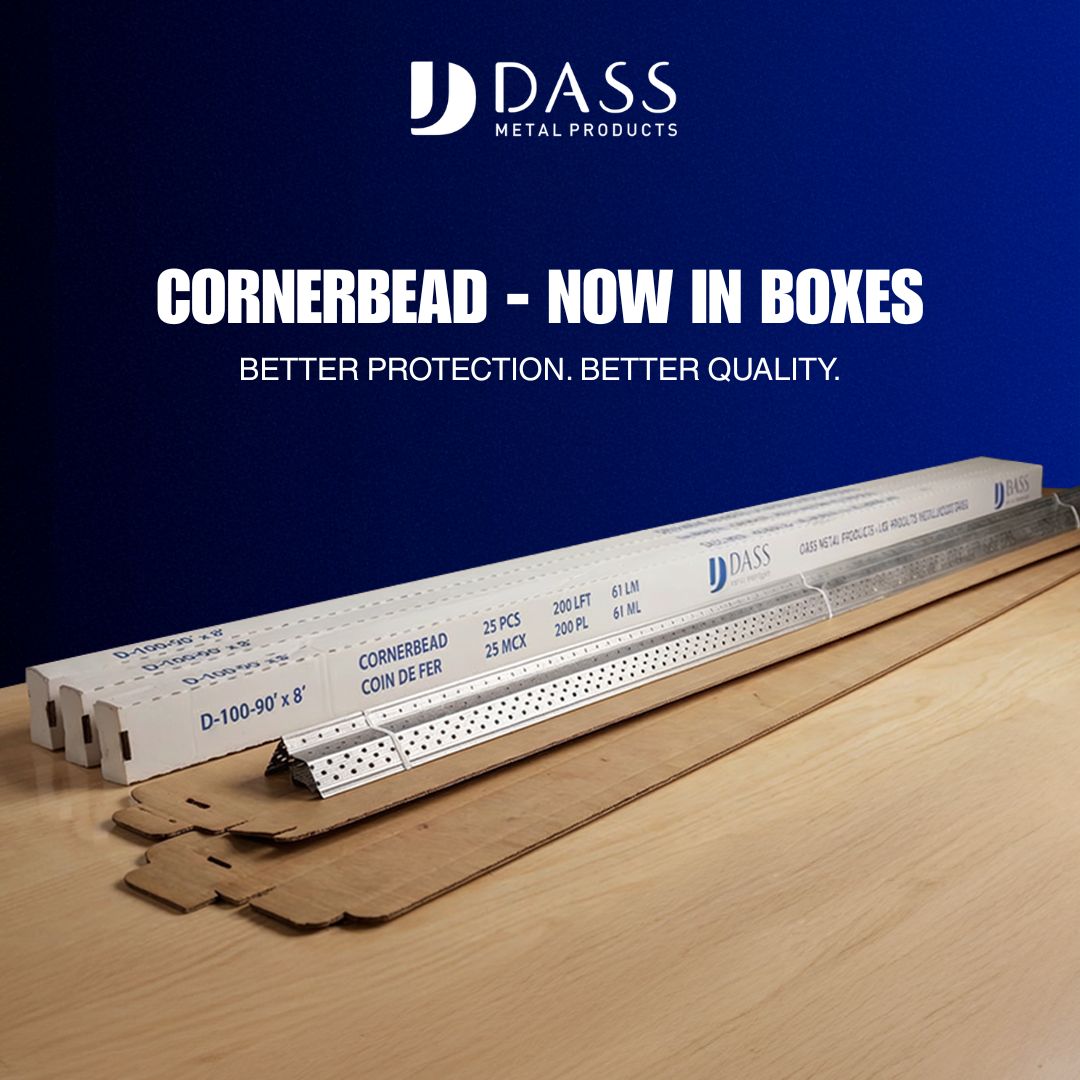
Light gauge metal framing is a cold-formed steel system used to build non-load-bearing and select load-bearing walls, ceilings, and soffits with precision. It delivers straight, stable walls and fast installation. At Dass Metal Products in Vaughan at 370 New Enterprise Way, teams use light gauge metal framing to keep schedules tight and quality consistent across Ontario, Canada, and the U.S.
By Navjot Dass • Last updated: 2026-06-02
Quick Summary & Table of Contents
Light gauge metal framing streamlines interior partitions with fast, straight, and code-compliant results. This guide explains what it is, why it matters in 2026, how it works, the core components, best practices, tools, and real examples—so builders and contractors can reduce waste and build faster with confidence.
- What light gauge metal framing is and how it differs from wood and heavy gauge
- Why it matters for schedule, quality, safety, and sustainability
- How it works: studs, tracks, channels, clips, and trims
- Best practices that cut rework by 20%+ on interiors
- Tools and resources for fast, accurate specification
- Case studies from Ontario and cross-border projects
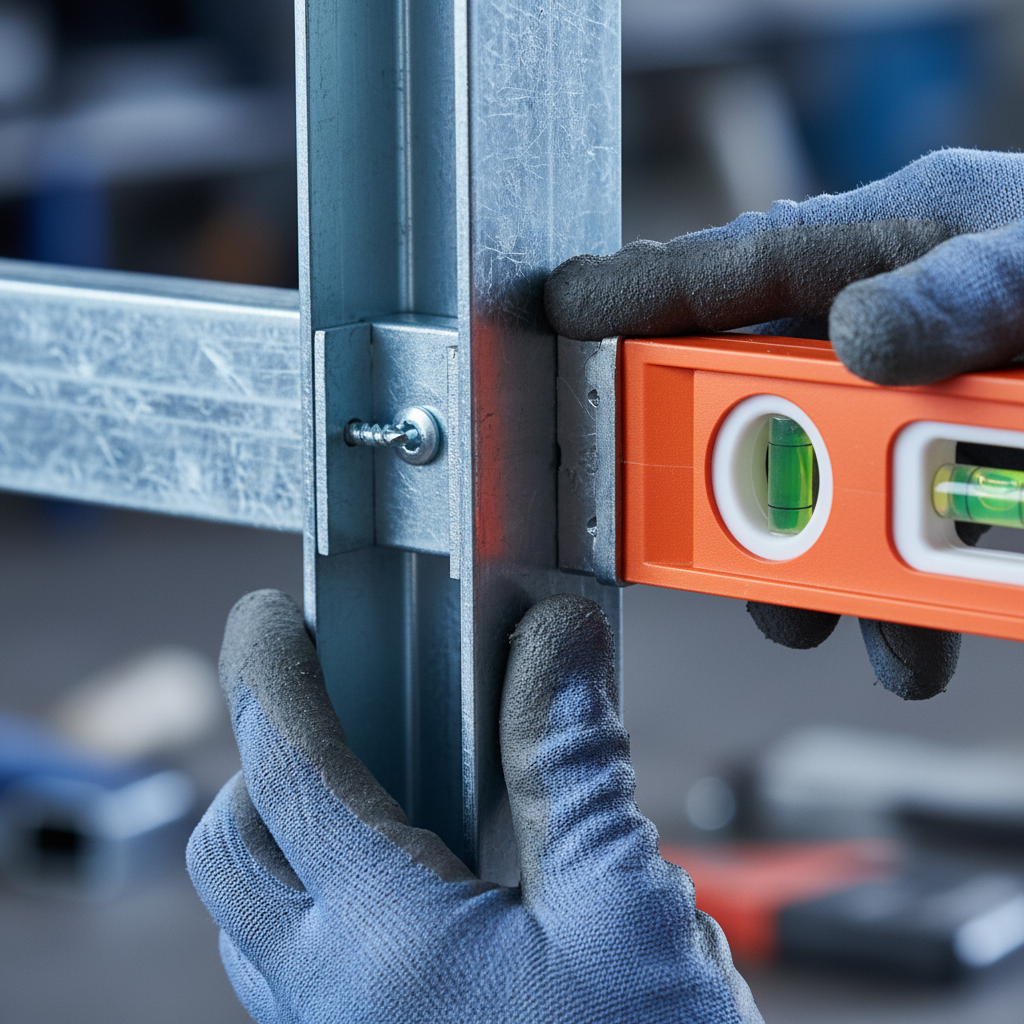
What Is Light Gauge Metal Framing?
Light gauge metal framing is a cold-formed steel system for interior partitions, ceilings, and select exterior assemblies. Using thin galvanized steel studs and tracks—commonly 25–20 gauge—it offers straight walls, consistent dimensions, and quick installation with screws, clips, and channels rather than nails.
Cold-formed profiles are roll-formed from galvanized coil into consistent C-shaped studs and U-shaped tracks. Common thicknesses include 18 mil (25 ga), 30–33 mil (20 ga), 43 mil (18 ga), and 54 mil (16 ga). Crews verify design mils and gauges against current span and load tables before ordering and framing.
- Stud spacing is typically 16 or 24 inches on center; ceilings often use 24 inches o.c. for efficient board layout.
- Pre-punched service holes—often 1-1/2 inches—speed electrical and low-voltage rough-ins, reducing field drilling.
- Deflection conditions use slotted deflection track to allow about 1/2–3/4 inch of vertical movement at the head.
- Acoustic goals add resilient channel, which can improve STC ratings by roughly 5–10 points in many assemblies.
Compared with wood, light gauge steel won’t warp, shrink, or support mold growth. Compared with heavy gauge systems, it targets interior partitions and light loads while staying compatible with structural steel and concrete shells.
For a deeper primer that maps terms like “stud web,” “flange,” and “lip” to their field uses, see our internal overview on light gauge steel framing. It breaks down dimensions, tolerances, and common installation pitfalls.
Why Light Gauge Metal Framing Matters in 2026
Light gauge metal framing matters now because it compresses schedules, stabilizes quality, and supports sustainability goals. At 370 New Enterprise Way in Vaughan within the Regional Municipality of York, disciplined supply plus engineering support helps projects start on time and finish with straighter walls and fewer call-backs.
Speed is tangible: crews snap lines, set tracks, and stand studs with self-drilling screws. Pre-punched webs can trim rough-in time per floor by hours. Repeatable details—like 16 or 24 inches o.c. spacing, standardized clip patterns, and head-of-wall deflection gaps—shorten coordination cycles across trades.
- Quality stays consistent—galvanized studs arrive straight and dimensionally uniform across 8–14 foot lengths.
- Safety improves—less heavy lifting than structural tasks; screws reduce fastener blow-out risks at edges.
- Sustainability advances—steel is highly recyclable, and waste streams are simpler to sort and return.
- Compliance is clearer—tested fire and acoustic assemblies map to predictable details and fastener schedules.
Owners demand predictable interiors. Designers push tighter tolerances for glazing, millwork, and demountables. Light gauge steel framing meets that bar with mil-accurate components, compatible trims, and proven acoustic add-ons. For context on schedule control, review our metal framing systems guide focused on time-saving choices.
How Light Gauge Framing Works
Light gauge framing assembles C-studs into U-tracks at floors and ceilings, then stabilizes the field with bridging and clips. Installers fasten with self-drilling screws, leave deflection gaps where required, and finish with trims—creating straight, code-ready partitions ready for drywall.
Think in layers: primary layout, structural continuity, serviceability, and finishes. A typical interior partition includes:
- Tracks: Standard U-track at the base and head; slotted deflection track at the head where slabs may move.
- Studs: 25–20 gauge for non-load-bearing; heavier mils for shaftwall, chase walls, or tall partitions as designed.
- Bridging: Carrying or bridging channel at approximately 4–6 foot intervals, tied with bridging clips to limit stud twist.
- Fasteners: #6–#10 self-drilling screws, often driven at 250–400 rpm for control and proper seating.
- Acoustics: Resilient channel and sealants at perimeters; putty pads at outlets to maintain STC continuity.
- Movement: 1/2–3/4 inch head-of-wall gap with fire-rated seal or gasket per the tested assembly notes.
Details matter. Aligning the framing bottom plate (track) to laser lines can cut layout drift below 1/8 inch over long runs, which pays off at door frames, glazing, and millwork later.
To compare field sequences and avoid early mistakes, bookmark our practical write-up on steel stud wall framing, which highlights layout checks that consistently reduce rework.
Types, Methods, and Components
Core elements of light gauge metal framing include non-load-bearing studs, multiple track types, bridging/carrying channel, resilient channel for acoustics, and a family of clips and trims. Choosing the right combination yields straighter walls, cleaner MEP coordination, and faster finishes.
- Non-Load-Bearing Steel Studs (Light Gauge): The backbone for interior partitions from 2-1/2 to 6 inches wide; check 18–54 mil options.
- Standard Track / Deep Track: Base and head tracks; deep leg track improves screw edge distance and deflection space.
- Slotted Deflection Track: Allows vertical building movement; common on concrete slabs beneath steel floors.
- Bridging / Carrying Channel: Controls stud rotation; typical spacing 4–6 feet depending on height and mil.
- Resilient Channel: Decouples gypsum from studs; often boosts STC by roughly 5–10 points in tested systems.
- Clips and Connectors: Deflection side clips, webslide clips, and bridging clips standardize load paths.
- Trims and Finishing: J trim, L trim, J track, and 90°/130° cornerbead clean up edges and corners.
- Special Profiles: U-Flex track for curves; shaftwall CH studs for rated shafts and chase walls.
Coordinating these elements early with MEP and ceiling trades avoids conflicts. For example, specifying resilient channel orientation and screw length ahead of time prevents short-circuiting the acoustic break.
If you need a one-page product view for submittals, start with our non-load-bearing steel framing page, then add accessories based on height, rating, and acoustic needs.
Best Practices That Save Time On-Site
The most reliable projects standardize gauges, fasteners, and bridging patterns; lock layouts early; and verify head-of-wall deflection. These practices cut rework, reduce punch-list items, and help drywall fly on schedule with fewer callbacks.
- Standardize gauges by height: For many 9–10 foot walls, 25–20 gauge studs are common; check span tables.
- Use deep track at heads: Gain screw engagement and deflection clearance on tall or rated runs.
- Plan bridging: Install carrying channel at 4–6 foot vertical spacing; lock with bridging clips.
- Protect acoustics: Keep resilient channel screws out of studs; 1–1/4 inch screws are typical unless noted.
- Mark doors early: Pre-frame openings with king/jack studs and headers sized to the hardware schedule.
- Fire and movement: Maintain a 1/2–3/4 inch deflection gap; use rated seals per the tested assembly.
- Document: Photograph wall conditions before rock; capture stud spacing, insulation, and seals.
Local considerations for 370 New Enterprise Way
- Coordinate deliveries near Highway 50 corridors; staged drop-offs minimize congestion around the Queen St / Highway 50 area.
- Plan winter installs with heated enclosures; adhesives and sealants cure slower below freezing on exposed floors.
- Allow extra receiving time during commuter peaks near the Highway 50 – Zum Queen Stop EB; book early morning windows.
We’ve found that a short “field standard” sheet—one page with stud gauges by height, bridging spacing, head-of-wall detail, and RC notes—cuts questions by more than half on day one. For common pitfalls to avoid, skim our focused guide on light gauge steel studs.
Tools and Resources
Specify faster with up-to-date load tables, product brochures, and tested assembly references. Field teams benefit from magnetic levels, laser layout, screw guns with depth control, and cut stations with burr-free blades for clean flange edges.
- Design references: Use current cold-formed steel design standards and your jurisdiction’s building code.
- Specification aids: Load/span tables (imperial and metric), product data sheets, and MSDS keep submittals clean and fast.
- Installer tools: Laser levels, rotary lasers, magnetic torpedo levels, aviation snips, and impact drivers with clutch.
- Quality checks: Feeler gauges for deflection gaps; screw depth setters to avoid overdriving and oil-canning.
- Acoustic kits: Resilient channel, acoustical sealant, putty pads, and backer for penetrations to preserve STC.
For a field-level perspective on sequence, see this contractor walkthrough of interior framing steps in a basement context: basement framing guide. And for estimating takeoffs and labor planning, this overview on how metal stud framing is estimated offers practical checklists.
Comparison: Light Gauge vs. Heavy Gauge vs. Wood
Choose light gauge steel for fast, straight interior partitions; heavy gauge for structural spans; and wood where moisture control and movement are manageable. The right pick balances schedule, tolerances, fire/acoustic ratings, and long-term stability.
| Factor | Light Gauge Steel | Heavy Gauge Steel | Wood Framing |
|---|---|---|---|
| Typical Use | Interior partitions, ceilings | Structural walls, tall spans | Low-rise interiors |
| Straightness | Excellent (no warp) | Excellent | Variable (shrink/warp) |
| Speed | High with screws | Moderate (heavier) | High but variable |
| Fire | Noncombustible | Noncombustible | Combustible |
| Acoustics | Strong with RC | Strong with RC | Good with RC |
| Moisture | Resistant | Resistant | Sensitive |
| Height Range | Standard interiors (8–14 ft) | Tall/rated partitions | Standard interiors |
When interior tolerances are tight—think glazing systems with 1/8 inch wiggle room—light gauge steel combined with deep track and planned deflection performs predictably. For a structural step-up, explore our steel framing systems guide that covers heavy-gauge assemblies and interfaces.
Case Studies and Practical Examples
On recent interiors in Ontario and the U.S., disciplined light gauge packages delivered straighter walls, faster MEP rough-ins, and cleaner inspections. Standardized tracks, clips, and acoustic details reduced punch-list cycles and supported on-time handover.
- Healthcare fit-out (Ontario): Tall 12-foot partitions used deep track at heads and carrying channel at 4-foot spacing; inspections cleared on first pass with door frames plumb within 1/16 inch.
- Office floors (cross-border): Slotted deflection track at all perimeters absorbed slab movement; glazing tolerances stayed within 1/8 inch over long runs.
- Education refresh: Resilient channel added roughly 5–8 STC points to classrooms; outlet putty pads preserved ratings through punch.
- Tenant improvements: Pre-punched webs saved multiple hours per floor on data and electrical rough-ins, limiting rework.
- Retail back-of-house: Standardized 24 inches o.c. spacing with bridging at 5 feet balanced speed with shelf loading needs.
- Core-and-shell interface: Head-of-wall gaps of 5/8 inch maintained movement; tested fire seals verified continuity.
- Acoustic conference rooms: RC on one side plus mineral wool drove measurable noise reduction and clearer speech intelligibility.
- Curved corridors: U-Flex track formed smooth radii; board layout required fewer relief cuts and sanding passes.
- Shaft walls: CH studs and rated liners simplified installation; crews documented anchor spacing at 24 inches o.c.
- Data rooms: Added bridging at 4 feet countered stud twist under ladder racks and cable trays.
- Lobby bulkheads: Light gauge framing for soffits integrated with ceiling grid; screw patterns followed manufacturer guidance.
- Hospitality suites: Door rough openings prefabricated—king/jack studs, headers—reduced door set time per room.
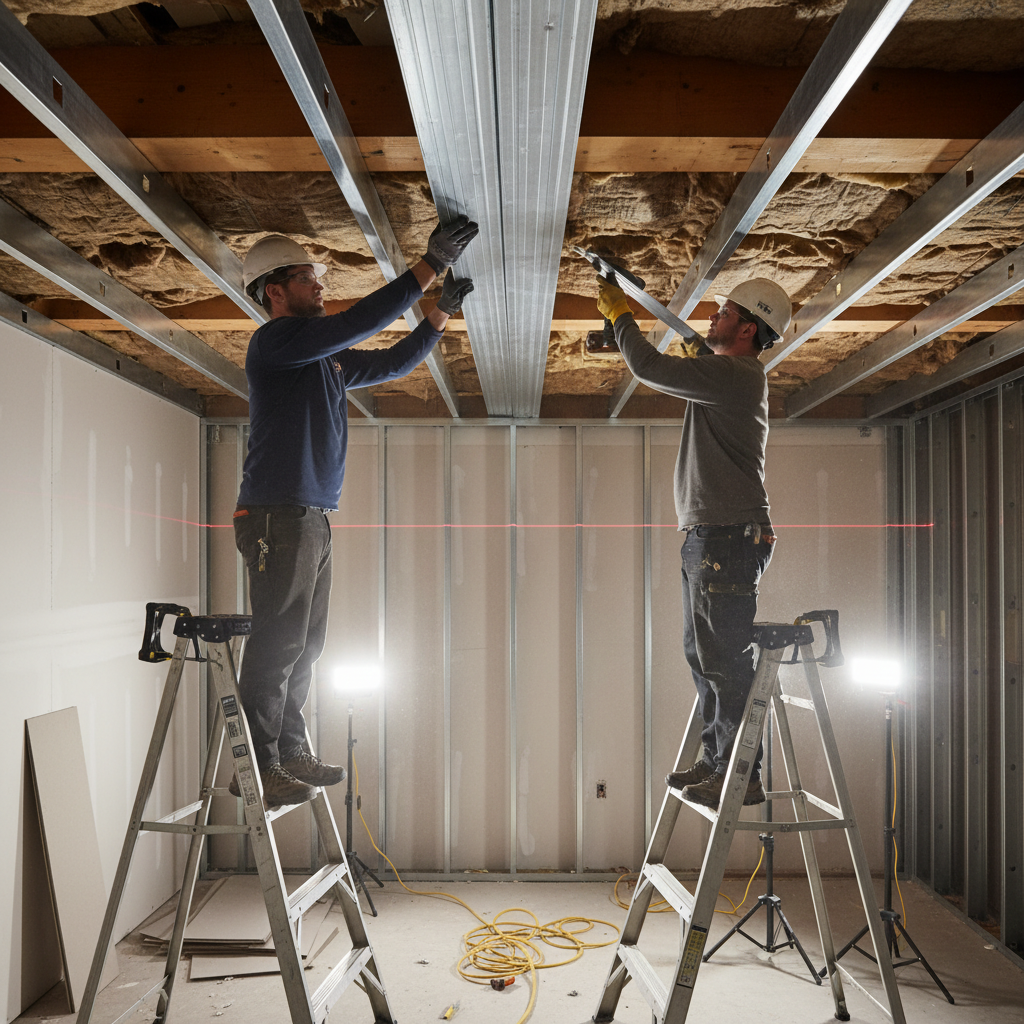
For visual cues on acoustic decoupling, see the field scene below showing resilient channel installation over light gauge framing.
Considering built-ins or brand elements that need exact wall flatness? This commercial millwork overview on custom built-ins shows why tight framing tolerances matter before casework shows up.
Frequently Asked Questions
These quick answers address the most common field and specification questions about light gauge metal framing, from spacing and gauges to acoustics and deflection.
What gauge should I use for a 10-foot interior wall?
For many 9–10 foot non-load-bearing partitions, 25 to 20 gauge studs are typical, but always verify against the project’s span/load tables and any acoustic or fire-rating requirements before finalizing.
How far apart should light gauge studs be?
Most interiors use 16 or 24 inches on center. Ceilings commonly use 24 inches o.c. Always match the tested assembly’s spacing, fastener schedule, and board thickness to maintain ratings.
What does slotted deflection track do?
Slotted deflection track allows the structure to move vertically—often 1/2–3/4 inch—without crushing the partition. It protects finishes and preserves fire/acoustic performance at the head of wall.
Does resilient channel really improve sound ratings?
Yes—when installed correctly. Resilient channel decouples gypsum from studs and often adds 5–10 STC points. Avoid short-circuiting the channel with screws driven into studs or fixtures.
Conclusion, Key Takeaways, and Next Steps
Light gauge metal framing delivers straight, fast, and code-compliant interiors when components and details are aligned. Standardize gauges, plan deflection and acoustics, and use tested assemblies. The payoff is tighter schedules, fewer callbacks, and cleaner inspections.
- Key takeaways: Standardize details; verify spans; protect head-of-wall movement; respect acoustic details.
- Action steps: Lock stud gauges by height; pick track types; define bridging; select trims; publish a one-page field standard.
- Soft CTA: Want faster interiors? Let’s align specs and delivery windows. Reach our team via the site or schedule a coordination call.
- Visit us: Stop by 370 New Enterprise Way for a product consult and to review submittal packages.
Related Reading: Framing Cluster Topics
Deepen your framing expertise by exploring structural, acoustic, and finishing components that integrate seamlessly with light gauge interiors. Strong coordination across these elements drives predictable schedules and quality.
Explore heavy-gauge systems for load-bearing spans, acoustic add-ons like resilient channel, and finishing trims for clean edges and durable corners. Align these with your partition details to reduce rework and elevate finish quality across floors. For a fast orientation, start with our steel studs guide and the broader steel framing systems guide.