Galvanized metal framing studs are cold-formed steel studs coated with zinc to resist corrosion in interior and exterior wall systems. The coating is defined by classes like G40, G60, and G90, which indicate total zinc mass per square foot. Specifying the right coating extends service life, improves reliability, and supports code-compliant performance across Canada and the United States.
By Navjot Dass — Last updated: 2026-07-02
Overview and Table of Contents
This guide explains what galvanized studs are, why zinc coatings matter, how light and heavy gauge systems work, and how to specify and install them correctly. Use it to choose coating classes, select tracks and channels, avoid rust, and build straighter, longer-lasting walls with fewer callbacks.
Here’s what you’ll find below, organized for quick scanning and on-site reference:
- Plain-language definitions and coating class basics
- Performance benefits (durability, straightness, acoustics, fire)
- How galvanization and stud systems work together
- Types of studs, tracks, channels, clips, and trims
- Specification and installation best practices
- Tools, submittals, load tables, and MSDS resources
- Mini case studies from recent project scenarios
- FAQ answers you can read aloud on the job
What Are Galvanized Metal Framing Studs?
Galvanized metal framing studs are cold-formed steel members protected by a zinc coating that slows corrosion. Coating classes such as G40, G60, and G90 specify zinc mass and expected durability. Paired with matching tracks and channels, these studs create straight, dimensionally stable walls for interiors and exteriors.
Galvanized studs start as sheet steel that’s slit, roll-formed, and punched. The zinc layer (e.g., G60) forms a sacrificial barrier that resists rust, especially at cut edges where zinc continues protecting exposed steel. A typical light-gauge stud uses 33–50 ksi yield steel; heavy-gauge structural studs often use 50–65 ksi. Common on-center spacings are 16 inches and 24 inches, which align with drywall panel widths.
In our experience working with builders and drywall contractors across Canada and the US, galvanized metal framing studs shine when projects demand predictable dimensions and long-term performance. If your team has struggled with wavy walls or callbacks, switching to galvanized steel studs often reduces rework by improving straightness and fastening consistency.
For a deeper primer on light-gauge systems and jobsite planning, see our internal guide on light gauge steel studs and this overview of using steel studs to improve wall flatness and speed.
Why Galvanized Studs Matter for Durability and Compliance
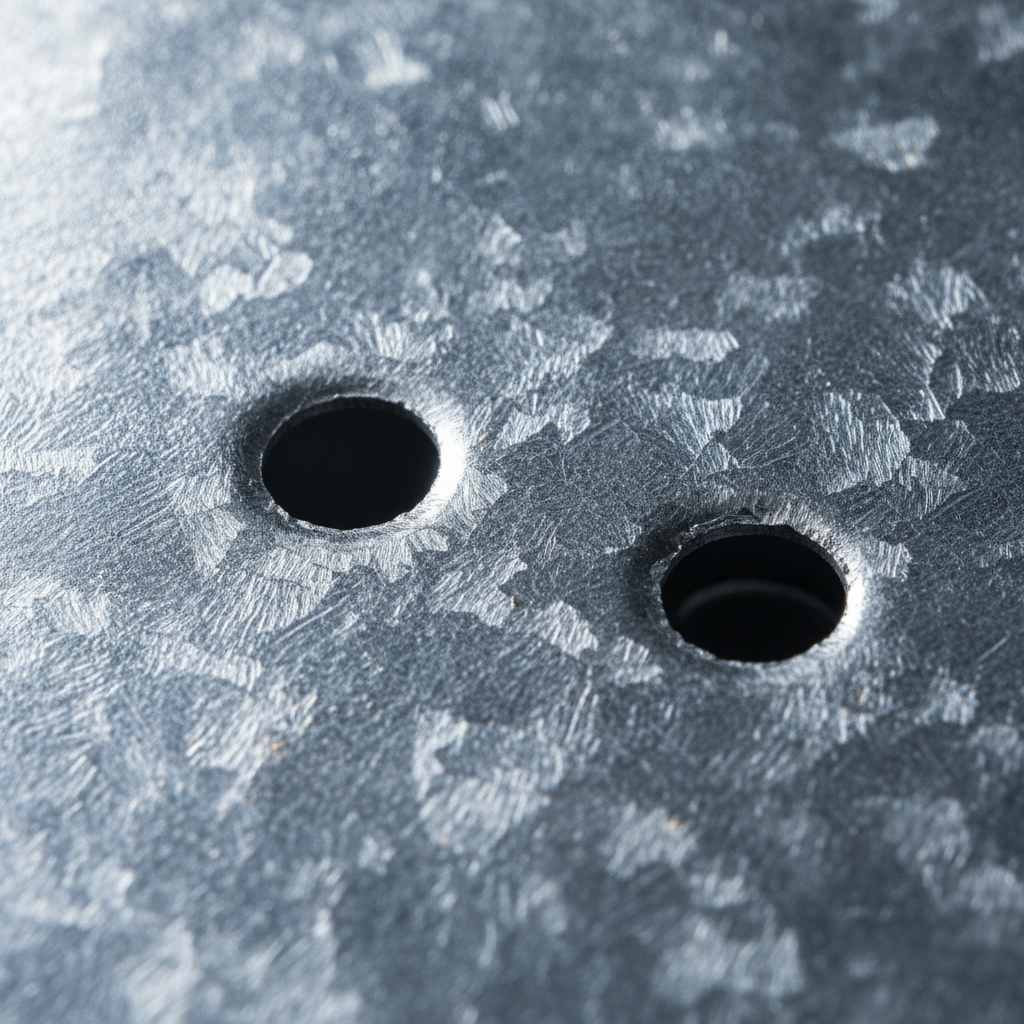
Galvanized studs extend service life and reduce maintenance by protecting steel with zinc. Correct coating selection (e.g., G60 or G90) mitigates corrosion risks, supports code-compliant assemblies, and preserves structural and acoustic performance over decades—especially in damp, high-traffic, or mixed-use environments.
Durability is measurable. G90 indicates roughly 0.90 oz/ft² total zinc, both sides; G60, about 0.60 oz/ft². Higher coating mass generally means better corrosion resistance. For interior conditioned spaces with low moisture exposure, G40–G60 is common. For perimeter walls, parking levels, or areas with intermittent dampness, G90 is often preferred. Matching fasteners (zinc-coated or stainless) preserves the protective system at connections.
- Straightness and fit: Steel studs don’t warp, twist, or shrink like lumber. That reduces drywall ridging and finishing time.
- Acoustic control: Details like resilient channel and staggered-stud layouts can yield sizable STC gains; 24-inch spacing can also influence sound paths.
- Fire and safety: Steel is noncombustible. Assemblies can be paired with UL/Intertek listed details and firestopping for tested performance.
- Fast installation: Pre-punched holes speed MEP runs. Many teams report measurable labor savings on multi-room layouts.
Here’s the thing: corrosion starts at edges and penetrations if coating and fasteners are mismatched. Use compatible screws and avoid aggressive grinding that removes zinc. Where cuts are necessary, a zinc-rich touch-up compound can help maintain the barrier in demanding conditions.
If you’re planning perimeter framing or demising walls, our primers on tracks and deflection and on drywall with metal studs will help you specify the correct components and joints.
How Galvanization and Stud Systems Work
Zinc-protected steel resists rust through a barrier and sacrificial action. Light- and heavy-gauge studs slot into tracks, brace with channels, and connect with self-drilling screws. Correct coating, fasteners, and joint details preserve the zinc’s protective role at edges, cuts, and penetrations.
Galvanization creates two defenses. First, the zinc coating blocks oxygen and moisture from reaching steel. Second, zinc sacrifices itself electrolytically to protect exposed areas, which is why G60 and G90 coatings meaningfully affect lifespan. In practice, protection hinges on compatible screws, careful cutting, and clean, dry storage to prevent white rust before installation.
- Layout: Snap lines and confirm o.c. spacing (16 or 24 inches). Verify deflection head requirements at the deck.
- Track: Anchor standard track, deep track, or slotted deflection track as specified, checking for level and plumb.
- Studs: Insert studs web-first, rotate into track, and plumb. Use one screw per flange where required; confirm load path on structural walls.
- Bracing: Install bridging/carrying channel or straps at prescribed intervals; many specs call for mid-height bracing on tall studs.
- MEP: Run services through pre-punched holes; use grommets where needed to protect cabling.
- Finishing: Apply resilient channel and trims (J/L) before drywall as details dictate.
In our work with teams managing fast-track schedules, pre-bundled lengths and labeled pallets reduce staging time. That simple step can cut layout friction, especially on projects with mixed 20–24 gauge interiors and heavier gauges at shafts or exterior walls.
Types of Studs, Tracks, and Components
Galvanized metal framing systems include light-gauge studs, heavy-gauge structural studs, multiple track types, channels for bracing and acoustics, shaftwall members, and finishing trims. Selecting the right combination controls strength, deflection, sound performance, and speed of installation.
Light-Gauge (Non-Load-Bearing) Studs
- Typical gauges: 25–20 ga; common yields are 33–50 ksi; depth options often include 1-5/8, 2-1/2, 3-5/8, 4, and 6 inches.
- Use cases: Interior partitions, ceilings, bulkheads, and non-load-bearing shaft enclosures.
- Spacing: 16 or 24 inches o.c.; adjust for gypsum thickness and height.
- Coatings: G40–G60 for conditioned spaces; consider G90 near moisture sources.
Explore sizing and layout logic in our reference on metal stud framing sizes, including height limits and bracing triggers for tall walls.
Heavy-Gauge (Load-Bearing) Studs
- Typical gauges: 18–10 ga; 50–65 ksi yields; depths 3-5/8 inches and up, with flange dimensions tuned to capacity.
- Use cases: Load-bearing walls, curtain walls, and tall exterior studs with engineered deflection criteria (e.g., L/240 or L/360).
- Connections: Structural screws or welds per engineering; bracing at calculated intervals.
- Coatings: Often G90 for perimeter exposure and condensation-prone zones.
Tracks
- Standard Track: The go-to for most walls; height commonly matches stud depth.
- Deep Track: Extra leg depth simplifies alignment and provides tolerance for movement.
- Slotted Deflection Track: Slots allow vertical building movement without stressing walls; essential at head-of-wall joints.
We detail selection tradeoffs and anchoring patterns in our track guide. The right head detail reduces cracking by accommodating slab deflection measured in fractions of an inch.
Channels and Bracing
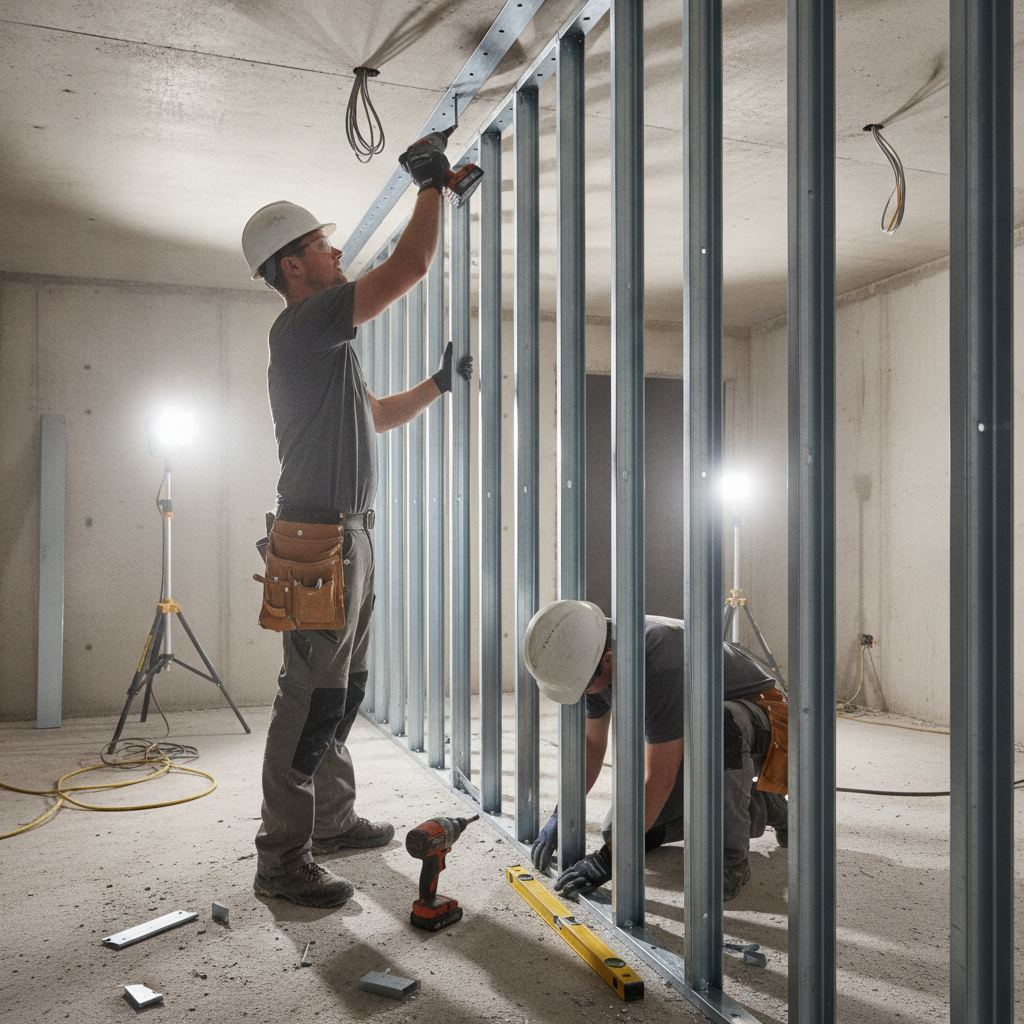
- Bridging/Carrying Channel: Controls stud rotation and buckling; spacing often 4–6 feet, or as engineered.
- Resilient Channel: Decouples gypsum from studs to improve STC; one or two layers depending on target sound rating.
- Furring Channel: Levels uneven substrates and creates plenum space.
- Windbrace and Straps: Add lateral stability—especially on tall or perimeter walls.
- U-Flex Track: Curves to form radiused walls without segmented framing.
For acoustic walls, resilient channel orientation and screw length are critical; errant screws that penetrate the stud short-circuit the isolation and can reduce STC by several points.
Shaftwall Members
- CH Studs and Tracks: Designed for elevator and mechanical shafts; assemblies pair with shaftliner panels.
- Details: Check manufacturer height tables and fire listings; coordination with shaftliner thickness is essential.
See typical configurations in our steel studwork guide and the drywall and studs overview for finishing interfaces.
Trims, Clips, and Accessories
- J Trim / L Trim / J Track: Clean termination at panel edges and reveals.
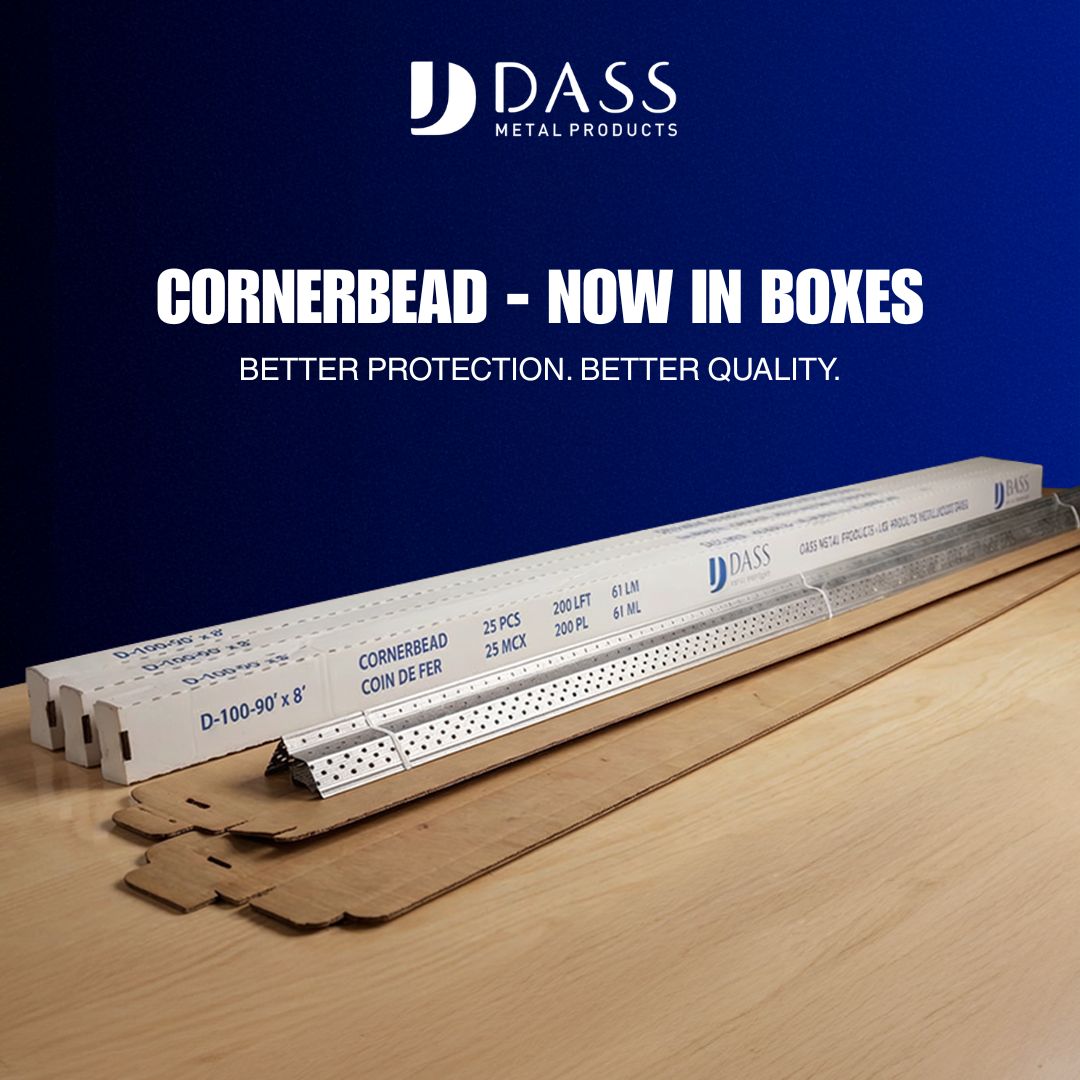
- Cornerbead (90°/130°): Protects and defines corners.
- Clips: Deflection side clips, webslide clips, and bridging clips speed connections and preserve movement joints.
- Wire and Strips: Hanger wire, tie wire, and flat strips support ceilings and bracing details.
Specs and Coating Classes: Quick Comparison
Choose coating classes by exposure: G40–G60 for dry interiors, G90 for damp or perimeter zones. Match fasteners to coatings, and preserve movement joints at the head. This quick table summarizes common coating classes and where they’re typically used.
| Coating Class | Total Zinc (oz/ft²) | Typical Use | Notes |
|---|---|---|---|
| G40 | ~0.40 | Dry interiors | Light exposure; conditioned spaces |
| G60 | ~0.60 | General interiors | Balanced durability for most rooms |
| G90 | ~0.90 | Perimeter/damp areas | Better rust resistance near moisture |
Tip: Keep bundles dry and off the slab with dunnage. White rust (zinc oxidation) can form within 24–48 hours on wet, unventilated surfaces. Simple staging discipline extends lifespan before panels ever go up.
Best Practices for Specifying and Installing
Specify the right gauge, depth, and coating, then preserve zinc protection during storage, cutting, and fastening. Use deflection details at heads, brace tall studs, and align acoustic parts carefully. These steps prevent cracking, noise leaks, and premature corrosion.
Specification Checklist
- Define wall function: Non-load-bearing vs. structural; acoustic, fire, or wet-area demands.
- Select coating class: G40–G60 for dry interiors; G90 near moisture or perimeter walls.
- Pick stud depth and gauge: Height and load criteria drive 2-1/2 to 6 inches; 25–20 ga for partitions; heavier for structure.
- Tracks: Standard, deep, or slotted deflection based on movement and tolerance needs.
- Bracing: Bridging channel or straps at code or engineered intervals.
- Acoustics: Resilient channel layout, screw lengths, and insulation density.
- Fasteners: Compatible zinc-coated or stainless screws sized for penetration and shear.
- Submittals: Include load tables, MSDS, and product data for review.
Installation Do’s and Don’ts
- Do keep studs banded and covered until needed; elevate with spacers to avoid slab puddles.
- Do use snips or saws that minimize heat; recoat cut edges with a zinc-rich product where exposure is severe.
- Do check plumb and alignment every 8–10 feet; cumulative drift shows up in drywall.
- Do maintain head-of-wall gaps for deflection; don’t hard-fix studs to the deck where slots are required.
- Don’t overdrive screws; stripping removes protective zinc and weakens joints.
- Don’t pierce resilient channel into studs; that shorts the isolation path.
- Don’t store bundles under tarps without ventilation; trapped humidity accelerates oxidation.
For a structured walkthrough with visuals, see our practical steel studwork guide, which complements the installation details in this article.
Need help matching coating class to your wall types? Our engineering team leverages over 40 years in steel framing to review heights, deflection criteria, and acoustic goals. We tailor profiles and delivery plans so your crews can frame faster with fewer surprises.
Tools, Resources, and Submittals
Successful submittals include product data, MSDS, and load tables tied to your wall schedule. Add track details, bracing intervals, and acoustic notes. Use checklists to confirm coating classes, fasteners, and movement joints before ordering.
- Load tables and sizing: Reference height limits and bracing intervals; see our framing sizes explainer for common combinations.
- Track details: Summarize standard, deep, and slotted options; our track guide outlines anchoring and tolerances.
- Acoustic notes: Call out resilient channel orientation, screw lengths, and insulation densities by wall type.
- MSDS and handling: Include storage, lifting, PPE, and corrosion-prevention steps.
- Cross-trade coordination: Share stud maps with MEP for pre-punched hole usage and grommet needs.
For teams handling concrete and steel reinforcement along with framing, these companion resources on the JDass network offer additional background: a rebar grade overview, a complete reinforcement guide, and a supplier comparison to streamline submittals.
Case Studies and Examples
Real projects prove the details: selecting the right coating, tracks, and bracing eliminates rework. These brief scenarios show how galvanized studs, thoughtful deflection joints, and resilient channels delivered straighter walls, quieter rooms, and on-time inspections.
Perimeter Office Build-Out
A national contractor needed perimeter partitions with movement joints. We supplied slotted deflection track with G90 studs near glazing zones. Result: head-of-wall cracks avoided during initial building movement; punch lists shortened. Teams clocked framing at 16-inch o.c. with mid-height bracing at 5 feet.
Healthcare Fit-Out
Acoustic privacy drove design. Using resilient channel, mineral insulation, and 25 ga studs at 24-inch o.c., the GC achieved targeted sound ratings while preserving MEP access via pre-punched webs. Screw length controls at channels prevented short-circuiting the isolation path.
Mixed-Use Amenity Level
Moisture concerns near mechanical rooms led to G90 at corridor walls and G60 elsewhere. Deep track simplified alignment across slab variations, reducing shim work. Delivery was staged in labeled bundles by floor to keep crews moving.
Education Renovation
Tall corridor walls used heavy-gauge studs with engineered bracing intervals. Windbrace straps and carrying channel controlled lateral movement. After drywall, walls measured within flatness targets, and cornerbead damage dropped due to straighter corners.
FAQ: Galvanized Studs
Get quick, direct answers to common questions about galvanized studs, coating classes, and installation. Each answer is concise and speakable so site teams can reference it hands-free.
What does G90 mean on galvanized studs?
G90 indicates a total zinc coating of about 0.90 oz/ft² on both sides of the sheet. It offers stronger corrosion resistance than G60 or G40 and is often used at perimeter or damp locations where extra protection is beneficial.
Are galvanized metal framing studs better than wood?
They’re different. Galvanized steel studs are straight, noncombustible, and dimensionally stable. Wood can be easier to cut and anchor in some conditions. Many commercial interiors choose galvanized studs for consistency, speed, and long-term wall flatness.
When should I use slotted deflection track?
Use it at the head of wall where building movement is expected. The slots allow the structure to deflect without transferring loads into the partition, preventing cracks. It’s common along perimeter walls, under concrete slabs, and beneath rooftop mechanical zones.
How do I prevent white rust on new studs?
Keep bundles dry and ventilated. Elevate with dunnage, avoid trapped moisture under tarps, and stage indoors when possible. If cut edges will see damp conditions, consider a zinc-rich touch-up after cutting.
Key Takeaways and Next Steps
Specify coating class by exposure, preserve zinc during handling, and choose tracks and channels that match movement and acoustic goals. With the right details, galvanized studs deliver straighter walls, fewer callbacks, and long service life.
- Pick coatings by risk: G40–G60 for dry interiors; G90 for damp or perimeter zones.
- Mind movement: Use slotted deflection track at heads where deflection is expected.
- Brace tall walls: Set bridging intervals and windbrace where required.
- Protect acoustics: Orient resilient channel correctly and control screw lengths.
- Document clearly: Provide load tables, MSDS, and coordinated MEP penetrations.
Ready to design or review a wall schedule? Share your heights, exposure zones, and acoustic targets. We’ll help you match galvanized metal framing studs, tracks, and channels to the job—then stage deliveries so crews can frame without waiting.