Interior wall framing is the assembly of studs, tracks, and connectors that form durable, plumb interior partitions. For projects across Vaughan, Ontario, steel studs provide straight, code-ready walls that handle fire, acoustic, and head-of-wall movement demands. Dass Metal Products supports this work with engineered steel components, submittals, and load tables for fast, compliant builds.
By Navjot Dass • Last updated: 2026-04-25
Summary & Table of Contents
Interior wall framing defines rooms, supports finishes, and routes building services. Use cold-formed steel studs with standard or deep track, add bridging for stiffness, and allow head-of-wall deflection. This complete guide covers definitions, why framing choices matter, step-by-step methods, tools, common mistakes, and code-ready best practices.
- What interior wall framing is and how steel-stud systems work
- Why gauge, spacing, and deflection strategy drive quality
- Step-by-step installation workflow with field checks
- Types of partitions, trims, and specialty profiles
- Best practices and 12 frequent mistakes to avoid
- Tools, resources, and compliance tips for first-pass inspections
What is interior wall framing?
Interior wall framing is a cold-formed steel or wood assembly that creates interior partitions using studs, tracks, and connectors. Steel stud systems are dimensionally stable, fast to install, and compatible with fire-rated and acoustic assemblies, making them ideal for commercial interiors and high-performance residential projects.
At its core, interior wall framing translates drawings into real walls: studs seated in floor and head track, aligned at 16 or 24 inches on center (o.c.), then braced to resist racking. On commercial interiors, 25–20 gauge studs are common for non-load-bearing spans of 8–14 feet. Taller partitions, heavy doors, or equipment-driven loads call for heavier gauges and tighter spacing verified against manufacturer load tables.
Framing quality impacts everything downstream—drywall flatness, door swing, MEP routing, and even acoustics. A slotted deflection track at the head preserves a 1/2–3/4 inch movement gap so live-load deflection from floors above doesn’t crack joints. Resilient channel, when installed correctly, can raise Sound Transmission Class (STC) ratings to 50+ by decoupling gypsum from studs. Small details compound: a 1/8-inch bow over 8 feet telegraphs through a level-5 finish and forces patching.
Why interior wall framing matters
Interior wall framing determines wall straightness, door operation, and finish performance. The right steel gauge, spacing, and head-of-wall detail reduce callbacks, protect acoustic targets, and keep multi-trade schedules predictable across fit-outs and renovations.
Quality framing reduces rework and schedule risk. Even slight cumulative errors—1/16 inch at each stud—can stack into a visible wave across a 30-foot run. Tight tolerances (±1/8 inch over 10 feet) improve partition alignment, which helps door hardware meet manufacturer clearances and ADA swing requirements. For healthcare or education, assemblies targeting STC 50+ depend on resilient channel spacing and fastener patterns that match tested details; one misplaced screw can short-circuit isolation and drop ratings several points.
Movement is real and must be respected. Buildings deflect under live loads and thermal shifts. A slotted deflection track with a consistent 1/2-inch gap to the deck helps prevent head-of-wall cracks once floors above are loaded. Where slabs vary by more than 1/4 inch, deep track and shims help keep studs plumb, protecting paint and tile finishes from telegraphing deviations. These choices also make inspections smoother because documented details match what inspectors expect to see in the field.
For teams operating around Vaughan and the Greater Toronto area, winter humidity swings can move frames and finishes noticeably. Sealing perimeters the same day you hang board and using flexible acoustic sealants at gaps helps resist seasonal movement. Standardizing details across floors—bridging heights, anchor spacing, fastener schedules—also improves first-pass inspection rates and keeps punchlists lean.
How interior wall framing works (steel-stud method)
Steel stud framing assembles floor track, vertical studs, and head track with fasteners sized to substrate and gauge. Add bridging, rough openings, and head-of-wall deflection, then close with gypsum per a tested assembly. Accurate layout and fastening patterns are essential for plumb, level, and compliant walls.
Core components include floor track (standard or deep), vertical studs with factory service holes, bridging/carrying channel for lateral stiffness, and head track—often slotted—to accommodate structural movement. Typical non-load-bearing studs are 25 ga (18 mil) to 20 ga (33 mil). Spacing is commonly 16 inches o.c. in high-abuse areas and 24 inches o.c. for standard partitions. As a quick planning metric: at 16 inches o.c., an 8-foot run consumes 7 studs; at 24 inches o.c., it uses 5 studs. This affects ordering, bundling, and labor planning.
Fastening details matter. Use #6 or #8 self-drilling screws for stud-to-track connections. For gypsum, 1-1/4 inch screws suit 1/2 inch board; 1-5/8 inch screws suit 5/8 inch Type X. Where corrosion control matters, specify G40 or G60 zinc coating per environmental exposure. For fire and smoke control, follow tested systems: install mineral wool backing at penetrations before fire/smoke sealant, and never bridge a head-of-wall movement gap with joint compound or solid blocking.
Openings need attention early. Jamb studs, headers, and cripples must match door loads and hardware. Heavy or tall doors can twist light-gauge jambs without reinforcement. Prefabricating repeated openings—like hotel rooms or patient rooms—often saves hours per floor and produces more consistent results because cuts, headers, and trims are jig-built rather than field-marked.

Types, methods, and approaches
Interior partitions vary by performance: non-load-bearing, load-bearing, shaftwall, acoustic, and curved. Match stud gauge and track type to height, openings, and required ratings. Use resilient channel for sound control, slotted head tracks for deflection, and specialty profiles to handle geometry.
Common partition types
- Non-load-bearing (light gauge): 25–20 ga studs at 16–24 inches o.c., heights up to ~14 feet, fast install and easy MEP routing.
- Load-bearing (heavy gauge): 18–16 ga studs, engineered spans, concentrated loads at openings, tighter fastener schedules.
- Shaftwall/CH stud systems: Elevator/shaft enclosures using CH studs and J-tracks; often include 1-inch shaftliner panels.
- Acoustic partitions: Resilient channel, insulation, staggered studs, and sealed perimeters to reach STC 50+.
- Curved/radius walls: U-Flex track or segmented studs; lay out radii with templates to maintain smooth arcs.
Essential steel profiles and trims
- Standard track vs deep track: Deep track improves screw engagement and helps manage slab variations over 1/4 inch.
- Slotted deflection track: Preserves 1/2–3/4 inch head movement without damaging finishes at the lid.
- Bridging/carrying channel: Lateral restraint at mid-height and every 48 inches o.c. on tall walls (typical or as engineered).
- Resilient channel: Decouples gypsum from studs; keep 24 inches o.c. and avoid short-circuiting with errant screws.
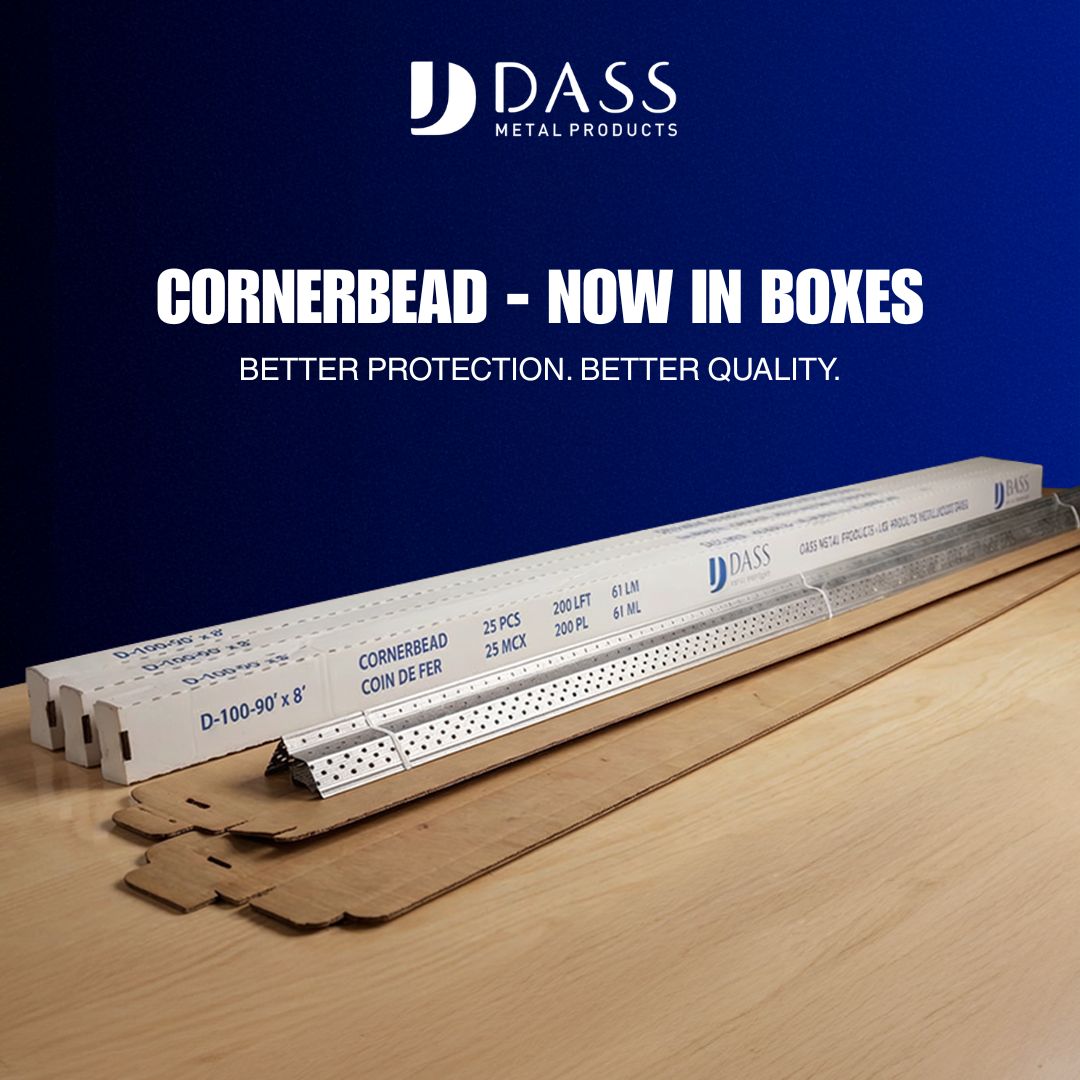
- Cornerbeads (90°/130°): Protect outside corners; 130° suits wide-angle transitions at specialty geometries.
- Furring channel, Z-Bar, L track, J trim: Level substrates, create reveals, and finish edge conditions cleanly.
Track selection comparison
| Track Type | Primary Use | When to Choose | Key Advantage |
|---|---|---|---|
| Standard Track | Typical floors/ceilings | Flat slabs, standard tolerances | Fastest layout and anchoring |
| Deep Track | Irregular slabs | > 1/4 inch floor variance | Extra leg keeps studs plumb |
| Slotted Deflection | Head-of-wall movement | Live-load or seismic deflection | Protects finishes from cracking |
| U-Flex Track | Curved/radius walls | Architectural arcs and features | Smooth, repeatable radii |
Want deeper dives on profiles and gauges? See our in-depth steel framing guide and our quick reference on steel stud framing sizes for practical selection tips.
Tools and resources for success
Bring lasers, tapes, chalk, rotary hammers, screw guns, and snips. Pair tools with manufacturer load tables, tested assemblies, and MSDS sheets. Field checklists keep layout, fastening, and inspection steps consistent across shifts and floors.
- Layout & measuring: Rotary and plumb lasers, 25–35 ft tapes, high-contrast chalk or layout dye for visibility.
- Cutting & fastening: Aviation snips, metal chop saws, screw guns with clutch, #6/#8 TEK screws sized to gauges.
- Anchoring: Powder-actuated fasteners or concrete anchors; follow substrate capacity and edge clearances.
- Bracing aids: Bridging channel, bridging clips, and temporary braces on tall walls or high-traffic areas.
- Documentation: Submittals, product brochures, imperial/metric load tables, and SDS documentation accessible onsite.
Helpful resources from our team include a focused steel frame bracing guide and a hands-on review of slotted deflection track that shows head-of-wall do’s and don’ts with field photos and diagrams.
Step-by-step: frame a steel-stud interior wall
Lay out the wall, set tracks, and plumb studs at 16–24 inches o.c. Install bridging, frame openings, and use a slotted head track for deflection. Close with gypsum per a tested assembly, then verify tolerances, firestopping, and acoustics before turnover.
- Verify drawings: Confirm wall type, height, STC target, fire rating, and deflection requirement. Note door/window counts and hardware.
- Snap lines: Transfer centerlines with a laser; mark door swings and corners. Plan for 1/2–3/4 inch head movement where required.
- Anchor floor track: Use standard or deep track. Fasten per substrate (e.g., 24–32 inches o.c. to concrete).
- Set slotted head track: Maintain a consistent 1/2–3/4 inch gap to the deck for live-load deflection.
- Place studs: 16 inches o.c. for high-traffic or abuse areas; 24 inches o.c. for standard partitions.
- Add bridging: Install bridging/carrying channel at mid-height and every 48 inches o.c. on tall walls.
- Frame openings: Size jambs/headers to door loads; preassemble repetitive frames to save hours per floor.
- Coordinate MEP: Use factory knockouts and grommets; avoid notching or cutting stud flanges.
- Gypsum board: 1/2 or 5/8 inch; fasten about 8 inches o.c. on field, 7 inches o.c. on edges (typical).
- Finishing trims: Install J/L trims and 90°/130° cornerbeads; align reveals with lasers.
- Firestopping: Pack mineral wool at penetrations; seal per the tested system detail.
- Punchlist & QA: Check plumb within ±1/8 inch over 10 feet; verify STC/fire elements; document as-builts.
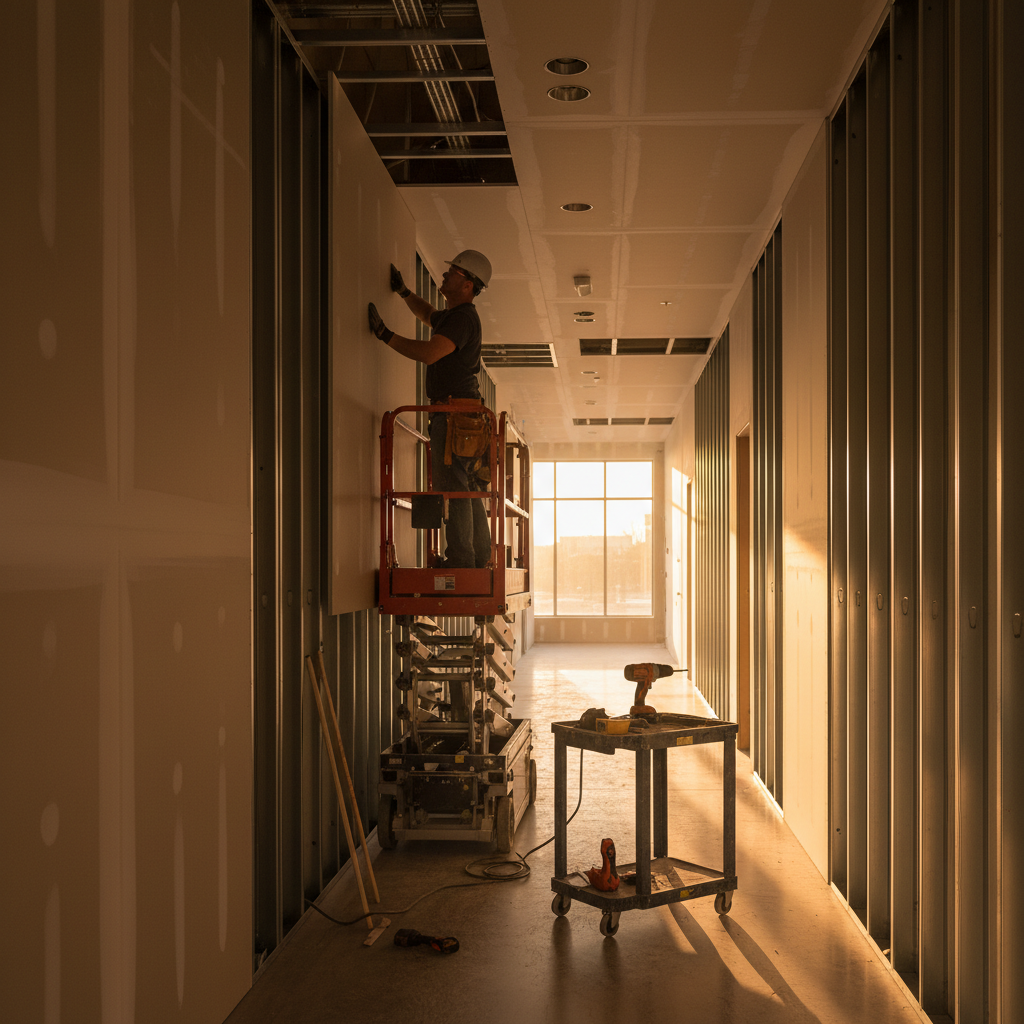
Pro tip: Post a simple, one-page fastening schedule at the workface. Standardizing screw sizes, edge distances, and anchor spacing across floors shortens training time and raises first-pass inspection rates.
Need a second set of eyes? Our engineering team can review wall heights, openings, and loads, then recommend a complete stud, track, and clip package. If you’re tackling heavy gauge work, also see our load-bearing stud framing system.
Best practices and the 12 mistakes to avoid in 2026
Avoid cracks, callbacks, and delays by sizing studs correctly, allowing for deflection, and protecting acoustics from short-circuits. Follow tested assemblies, confirm fastening patterns, and keep tolerances tight. Small layout errors compound quickly—precision up front prevents days of rework later.
Best practices
- Use deep track where slabs vary more than 1/4 inch to maintain plumbness and screw bite.
- Install resilient channel horizontally with factory edge down; maintain 24 inches o.c. and keep perimeter gaps sealed.
- Install bridging at 48 inches o.c. minimum on tall partitions for lateral stiffness and door performance.
- Label tested assemblies and post fastening schedules at the workface for consistency across crews.
- Prefabricate repetitive frames (e.g., hotel or patient rooms) to save labor and improve QA.
12 mistakes to avoid
- Skipping deflection track: Causes head-of-wall cracks when upper floors are live-loaded.
- Wrong stud gauge: Leads to flutter, wavy finishes, or binding doors in high-traffic zones.
- Overdriving screws: Torn paper reduces pull-out strength; use clutch settings and test on scrap.
- Short-circuiting resilient channel: Accidentally screwing boards to studs defeats STC targets.
- Missing bridging: Walls rack under modest side loads; add carrying channel at mid-height.
- Unsealed perimeters: Sound and smoke leak through 1/8-inch gaps; backer rod and sealant are critical.
- Ignoring door loads: Jamb studs twist without reinforcement, especially at tall or heavy doors.
- Mismatched coatings: Coating incompatibility accelerates corrosion in humid areas.
- Fastener mix-ups: Wood screws in steel slow work and reduce capacity; use TEK screws.
- Improper anchor spacing: Tracks creep; maintain 24–32 inches o.c. to concrete (typical).
- Skipping mockups: A one-room pilot often reveals a dozen issues before full production.
- Neglecting documentation: Missing submittals stall inspections; keep a live binder onsite.
For a broader framing context with diagrams, our team also covers sequencing and coordination in this structural metal stud framing guide.
Case studies and field examples
Prefabricated openings, deep tracks on uneven slabs, and slotted heads at corridors consistently cut rework. Standardizing layouts and posting fastening schedules improves crew speed by double digits while lifting first-pass inspection rates on multi-floor projects.
- Healthcare corridor (Ontario): Switching to slotted head track and resilient channel hit the STC target and ended recurring head cracks across ~300 linear feet.
- Education fit-out (Great Lakes region): Deep track plus mid-height bridging on 12-foot walls eliminated wobble and reduced skim coat time by an estimated 30%.
- Multi-family interiors (cross-border delivery): Pre-bundled stud packages labeled by floor accelerated installation and tightened inventory control for the GC.
- Corporate office (Vaughan): Curved walls executed with U-Flex track achieved smooth radii; a 1-day mockup aligned trims, reveals, and paint sequencing.
Curious about planning and ordering? This short explainer on how metal stud framing is estimated outlines common takeoff pitfalls and tips for clean submittals.
Codes, standards, and compliance
Follow your jurisdiction’s building code, approved assemblies, and manufacturer data. Confirm stud gauges, spacing, and fastening meet tested details. Document head-of-wall movement, STC, and firestopping so inspections pass the first time and punchlists stay short.
Think in three documentation pillars:
- Applicable code chapter: Know how your building code governs nonstructural partitions and head-of-wall joints.
- Tested assemblies: Fire and acoustic systems depend on exact board types, layers, and fastener schedules.
- Manufacturer data: Load tables and installation bulletins verify gauge selection, spacing, and allowable heights.
Keep submittals, SDS, and installation guides accessible. For safety, train crews on PPE, powder-actuated tools, and silica dust control before production framing. If you’re new to steel-stud interiors, this step-by-step on how to frame with steel studs illustrates key handling and fastening practices that transfer well to commercial jobsites.
Local considerations for Vaughan projects
- Seasonal humidity swings can move frames; seal perimeters the same day you hang board and use flexible acoustic sealants.
- During peak construction months, schedule deliveries early; staging 1–2 floors of studs avoids elevator bottlenecks.
- Coordinate inspections around regional holidays to prevent multi-day approval delays at turnover.
Related Articles
Explore deeper topics connected to interior wall framing, including system selection, head-of-wall movement, and bracing methods. These articles expand on profiles, gauges, and field techniques that help crews move faster and pass inspections the first time.
For system-level context, see our steel framing systems guide. To protect finishes at the lid, study our slotted deflection track guide, which illustrates correct gaps and fastening sequences for movement joints.
Frequently Asked Questions
Here are concise answers to common interior wall framing questions—from stud selection to acoustics and deflection. Each response is practical, code-aware, and ready for jobsite use.
What gauge steel studs should I use for a 10-foot wall?
For a typical non-load-bearing 10-foot partition, 25 or 20 gauge studs at 16–24 inches on center are common. If the wall carries heavy doors or fixtures, step up the gauge or tighten spacing based on stamped calculations and manufacturer load tables.
How do I prevent cracks at the head of the wall?
Use a slotted deflection track and maintain a 1/2–3/4 inch gap to the structure above. Don’t bridge the gap with joint compound or fasteners. Seal per the tested head-of-wall detail specified for your assembly.
Does resilient channel really improve sound ratings?
Yes—when installed correctly. Resilient channel decouples gypsum from studs, often enabling STC 50+ with insulation. Avoid short-circuiting by keeping screws out of studs and maintaining perimeter gaps sealed with acoustic sealant.
When should I choose deep track over standard track?
Choose deep track when slabs are uneven or tolerances are tight. The extra leg provides more screw engagement and helps keep studs plumb despite 1/4 inch or more of floor variation across a run.
Conclusion and key takeaways
Great interiors start with great framing. Size studs to height and loads, allow for head movement, and protect acoustics. Standardize details, tools, and checklists so crews move quickly—and walls pass inspections the first time.
- Key takeaways: Use the right gauge, respect deflection, and follow tested assemblies.
- Post fastening schedules and mock up one room to catch issues early.
- Document STC, firestopping, and tolerances to simplify inspections.
Want help building a complete steel stud framing package? Our team in Vaughan can recommend studs, tracks, clips, and trims tailored to your wall heights, openings, and acoustic or fire targets.