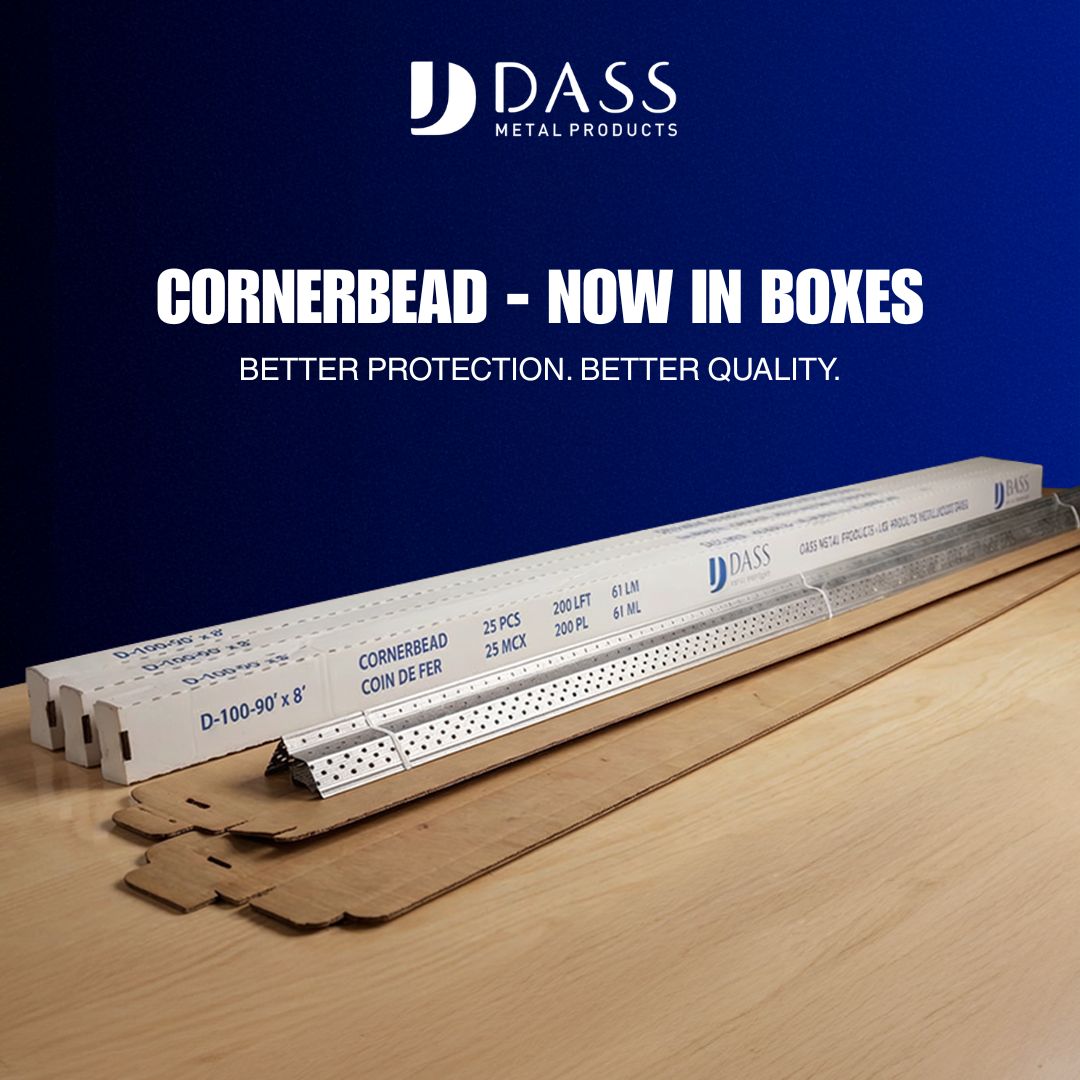
16 gauge metal studs are heavy-gauge, cold-formed steel members commonly measuring about 54 mil (0.054 in) thick for structural framing. They deliver higher axial and lateral capacity than lighter gauges, which is why builders in 370 New Enterprise Way lean on them for tall partitions, openings, and load‑bearing walls. Dass Metal Products engineers specify, manufacture, and supply these profiles across North America.
By Navjot Dass · Last updated: 2026-05-12
Above-Fold Guide: Why 16 Gauge Studs Matter + Table of Contents
Use 16 gauge studs when you need stronger, stiffer framing that resists higher loads, taller wall heights, and concentrated forces at openings. This guide explains what they are, where they’re best, how to install them correctly, and how Dass Metal Products supports your team with engineering, custom profiles, and on-time delivery.
Here’s what you’ll get in this practical, field-tested guide for superintendents, PMs, and estimators.
- Clear definition and specs for 16 gauge metal studs (thickness, strength, flange options).
- When to choose 16 gauge vs lighter gauges—and why it matters for safety and schedules.
- How to detail heads, sills, jambs, and deflection without rework.
- Step-by-step installation flow, fastening patterns, and quality checks.
- Tools, submittal resources, and how our Vaughan-based team helps you deliver.
Quick Summary
- Thickness benchmark: about 54 mil (1.37 mm). Sturdier web and flanges improve buckling resistance.
- Typical roles: load-bearing walls, high-traffic corridors, shaftwall jambs, and openings needing reinforcement.
- Pairings that work: slotted deflection track at tops, bridging/carrying channel for bracing, and resilient channel for acoustic wall faces.
What Are 16 Gauge Metal Studs?
16 gauge metal studs are cold‑formed steel studs around 54 mil (0.054 in) thick used for structural or heavy‑duty interior/exterior framing. Their added thickness increases axial and lateral capacity, enabling taller walls, door and window jambs, and areas with concentrated loads or high impact.
In our experience supporting contractors from 370 New Enterprise Way to major U.S. metros, clarity on gauge translates directly into fewer RFIs and smoother inspections.
Core specifications
- Nominal thickness: ~54 mil (1.37 mm). This heavier section resists local buckling better than 18 or 20 gauge.
- Common flange widths: 1-5/8 in, 2 in, and 2-1/2 in, selected for sheathing edge support and connection room.
- Coating: Galvanized (G60 or G90) for corrosion resistance in interior and certain protected exterior conditions.
- Typical yield strength: Many structural studs are specified at 50 ksi; verify on submittals and mill certs.
Where they excel
- Taller walls: Greater stiffness supports increased limiting heights under design wind or service loads.
- Openings and jambs: Better performance around doors, sidelites, and windows, especially with concentrated forces.
- Load-bearing runs: When engineered as part of a load-bearing stud framing system, 16 gauge members carry axial loads with proper track, anchors, and bracing.
For design clarity, pair project specs with submittals that list gauge, base metal thickness, section properties, and coating class. That simple discipline prevents field substitution errors.
Why 16 Gauge Matters for Safety, Schedule, and Performance
16 gauge studs reduce risk in tall or high‑demand walls by increasing stiffness and connection capacity. That added margin helps walls meet limiting heights, prevent serviceability issues like cracking, and stand up to abuse in corridors—all while simplifying inspection and punch lists.
Contractors don’t choose gauge just for strength. They choose it to avoid callbacks, keep drywall flat, and pass inspections the first time.
- Serviceability: Heavier studs limit deflection and reduce gypsum cracking at joints on long corridors.
- Connections: Thicker flanges offer better screw engagement and lower risk of spin-out during sheathing and drywall attachment.
- Inspection clarity: Clearly labeled 16 gauge helps code officials verify structural intent quickly.
- Coordination: MEP penetrations in a thicker web maintain capacity better when properly reinforced.
We’ve seen schedules hold steady when heavy-gauge is used strategically for heads, sills, jambs, and full-height corridor walls, while lighter gauges handle non-critical partitions. That mixed approach balances performance with material usage.
How 16 Gauge Studs Work: Strength, Limiting Heights, and Detailing
The extra thickness of 16 gauge studs increases section modulus and local buckling resistance, enabling greater limiting heights and safer load paths. Performance still depends on correct track selection, bracing, anchors, and head-of-wall detailing to maintain deflection and fire ratings.
From an engineering lens, three variables drive results: section properties, boundary conditions, and bracing.
- Section properties: A ~54 mil web and robust flanges improve EI (stiffness) and P‑Δ behavior under axial load.
- Boundary conditions: Deep or standard track products control end fixity; slotted heads preserve vertical deflection while transferring in-plane forces.
- Bracing: Bridging/carrying channel at prescribed spacing raises the effective buckling capacity by restraining stud weak-axis movement.
Head-of-wall and sill details
- Deflection heads: Use slotted deflection track to accommodate live‑load and thermal movement without loading drywall edges.
- Anchorage: Specify anchor types and spacing to match calculated shear/uplift; verify embedment in concrete slabs.
- Fire continuity: Maintain head-of-wall firestop continuity when using slotted heads; coordinate with firestop submittals.
Limiting height perspective
- Heavier studs, taller walls: All else equal, 16 gauge allows higher limiting heights than 18 or 20 gauge sections of the same width.
- Deflection targets: Common service criteria include L/240 or L/360; confirm project requirements before selection.
- Mixed gauges: Use heavier studs at openings and lighter ones in infill bays to control veneer cracking and achieve economy.
Types, Pairings, and Field Approaches That Work
Treat 16 gauge studs as part of a system: choose the right track, bracing, and accessories. Combine deep or slotted track, bridging/carrying channel, resilient channel on faces where sound matters, and engineered clips at deflection points to build reliable, inspectable walls.
System components
- Track choices: Standard, deep, and slotted deflection track for heads and sills—match depth to design and movement.
- Bracing: Bridging/carrying channel and bridging clips at set intervals stabilize the stud line.
- Acoustics: Resilient channel decouples gypsum from framing to raise STC where required.
- Special profiles: Shaftwall/CH studs at shafts; U‑Flex track for curves; utility angles and flat strips for reinforcement.
Approaches we recommend
- Openings package: Pre-plan jamb, head, and sill gauge/width. For heavy doors, step jambs to 16 gauge with deep track headers.
- Deflection first: Choose head-of-wall movement capability early to avoid ceiling conflicts and rework.
- MEP coordination: Use stud service holes and reinforce large cutouts; keep hole edges smooth to prevent stress risers.
- Submittal clarity: Include thickness (mils and mm), coating (G60/G90), and yield strength on data sheets to speed approvals.
Best Practices: Detailing, Fastening, and Quality Control
Plan the wall as a complete system. Verify gauge and track on delivery, brace the stud line, maintain screw edge distances, and document head‑of‑wall movement. These checks reduce punch-list items and keep limiting heights and fire/acoustic ratings intact.
Detailing and layout
- Stud spacing: 16 in or 24 in on center per design; tighter spacing raises limiting height without changing gauge.
- Edge distance: Keep screws 3/8–1/2 in from edges to prevent tear‑out in thicker flanges.
- Sheathing sequence: Hang from bottom up, staggering vertical joints; hold edges clear of deflection slots.
Fastening choices
- Self‑drilling screws: Choose points sized for ~54 mil steel; test on scrap to confirm bite without over‑torquing.
- Anchors: Match anchor type to substrate (concrete, CMU, steel) and required shear/tension values.
- Clips and angles: Deflection side clips and webslide clips control movement and transfer loads without restraining vertical slip.
Quality control
- Material verification: Check bundles for gauge labels and coating class upon delivery.
- Bracing log: Record spacing and attachment of bridging/carrying channel by elevation.
- Photo documentation: Capture head-of-wall slots, firestop continuity, and anchor embedment before cover.
When we coach crews on these basics, rework drops and inspection times shrink. It’s simple, practical discipline that protects margins.
How to Install 16 Gauge Metal Studs (Process Table)
Lay out track, anchor it to the substrate, stand studs plumb, brace with bridging, and complete sheathing and drywall while preserving deflection slots. The key is verifying gauge and spacing at each step so the final wall meets limiting height, movement, and rating requirements.
| Step | Action | What to Verify |
|---|---|---|
| 1 | Snap lines and cut track (standard or slotted) | Track depth, movement slot length, coating (G60/G90) |
| 2 | Anchor track to slab/structure | Anchor capacity, spacing, embedment |
| 3 | Stand first studs at ends and openings | Gauge (~54 mil), width, plumbness |
| 4 | Install intermediate studs at layout (16/24 in o.c.) | Spacing tolerance, screw edge distance |
| 5 | Brace with bridging/carrying channel | Clip type, interval per design |
| 6 | Sheath and maintain deflection gap | Slot visibility, fastener pattern |
| 7 | Drywall, tape, and finish | Acoustic sealant, resilient channel where required |
| 8 | Firestop head-of-wall | UL system match, continuity |
Tools and Resources You Can Use Today
Speed approvals with clear submittals and verified data sheets. Use load tables, section properties, and coating classes, then coordinate clips, channels, and tracks. Dass Metal backs you with engineering, custom profiles, and dependable logistics across Canada and the U.S.
- Explore our heavy‑gauge framing system to align studs, tracks, and anchors.
- Review stud sizes and sections when preparing takeoffs and RFIs.
- For field planning, see this structural metal stud framing guide for sequencing and checklists.

Case Studies and Real-World Examples
Strategic use of 16 gauge studs reduces rework at openings, controls corridor deflection, and speeds inspection. By standardizing jambs and head details, crews install faster with fewer RFIs. Dass Metal supports this with engineered details and cross‑border delivery to keep schedules intact.
Corridor walls that stay flat
- Challenge: Long, high-traffic corridors often show joint cracking when framed with lighter gauges.
- Approach: Step up to 16 gauge for full-height partitions, add bridging at specified spacing, and use resilient channel where sound is critical.
- Result: Smoother inspections and less post‑occupancy touch‑up.
Openings package for heavy doors
- Challenge: Heavy door hardware and high cycle counts cause jamb deflection and latch misalignment.
- Approach: Standardize jambs at 16 gauge with deep track headers and clip‑reinforced sills.
- Result: Door frames stay square and hardware operates reliably.
Structural infill with deflection
- Challenge: Exterior infill needs to carry wind while allowing vertical movement below structure.
- Approach: Combine 16 gauge studs with slotted deflection track and documented firestop continuity.
- Result: Movement is accommodated without cracking finishes or compromising ratings.
We detail these patterns inside our heavy‑gauge framing guide and channel stud guide so foremen can replicate them predictably.

Comparison: Which Gauge When?
Use 16 gauge when walls are tall, carry load, or face abuse; drop to 18 or 20 gauge for typical non‑structural partitions. Verify limiting heights, flange width, and bracing before finalizing. Mixing gauges by location controls risk without over‑specifying the entire floor.
| Property | 16 Gauge | 18 Gauge | 20 Gauge |
|---|---|---|---|
| Approx. thickness | ~54 mil (1.37 mm) | ~43 mil (1.09 mm) | ~33 mil (0.84 mm) |
| Typical role | Structural/heavy‑duty | Heavy non‑structural | Light partitions |
| Common spacing | 16/24 in o.c. per design | 16/24 in o.c. per design | 16/24 in o.c. per design |
| Head detail | Often slotted deflection | Deflection as needed | Standard or deflection |
Tools, Accessories, and Safety Notes
Equip crews with self‑drilling screws sized for ~54 mil steel, strong drivers, and PPE. Keep edges deburred, confirm anchor embedment, and brace promptly. Clear housekeeping and lift plans prevent many of the delays and injuries we see on busy interiors packages.
- Drivers: High‑torque cordless tools with clutch settings protect fasteners and flanges.
- Screws: Use self‑drilling points suited to ~54 mil base metal; avoid over‑driving.
- Cutting: Snips for fine work; track saw or chop saw with appropriate blade for repetitive cuts; deburr edges.
- PPE: Eye, hand, and hearing protection; manage galvanizing dust when cutting.
- Housekeeping: Keep aisles clear; secure stock to prevent tipping.
FAQ: 16 Gauge Metal Studs
These concise answers address the questions we hear most on jobsites and during submittal reviews. Each one is designed to help you make a faster, safer gauge decision and keep inspections smooth.
What thickness is a 16 gauge metal stud?
About 54 mil, or 0.054 inches (around 1.37 mm). Always check the product data sheet for exact base metal thickness and coating class before ordering.
When should I choose 16 gauge over 18 gauge?
Choose 16 gauge for tall partitions, openings with heavy doors, shaftwall jambs, or engineered load‑bearing walls. Use lighter gauges for standard interior partitions when limiting heights and abuse resistance are not critical.
Do I need slotted deflection track with 16 gauge studs?
If the structure above is designed to move (live‑load, thermal, or creep), yes—use slotted deflection track to allow vertical slip. It preserves head‑of‑wall movement and helps prevent drywall cracking.
What accessories pair best with 16 gauge studs?
Deep or slotted track, bridging/carrying channel with clips, deflection side clips at heads, and resilient channel on faces where higher STC is required. Verify anchor types and spacing per design.
Local considerations for 370 New Enterprise Way
- Seasonal movement is real—prioritize slotted head track and documented firestop continuity to manage winter‑to‑summer building movement.
- Plan logistics early. Align deliveries from our Vaughan manufacturing hub to avoid peak traffic windows on major corridors serving the region.
- Cold‑weather cutting can embrittle edges; deburr and seal cut ends where required to maintain protective coating integrity.
Related Topics in Framing
If you’re standardizing details, round out your library with guidance on heavy‑gauge systems, channel studs, and resilient assemblies. These resources help you mix gauges intelligently and keep walls flat, quiet, and compliant.
For system design depth, review our heavy‑gauge framing guide and this overview on channel studs. For size selection basics, see steel stud size and our perspective on why steel framing matters.
Key Takeaways
16 gauge metal studs deliver the strength and stiffness needed for tall, abuse‑prone, or load‑bearing walls. Treat them as part of a system—track, bracing, anchors, and movement—and your crews will build straighter, faster walls with fewer RFIs and punch items.
- Use ~54 mil studs for tall, structural, or high‑abuse conditions; mix with lighter gauges elsewhere.
- Choose slotted deflection heads where movement is expected and document firestop details.
- Brace with bridging/carrying channel and verify fastener patterns and edge distances.
- Lean on Dass Metal engineering and logistics to keep approvals and deliveries on schedule.
Ready to standardize your openings and corridor details? Let’s review your drawings and align studs, track, clips, and delivery windows. Book a quick consult—our team supports projects across the U.S. and Canada from 370 New Enterprise Way.