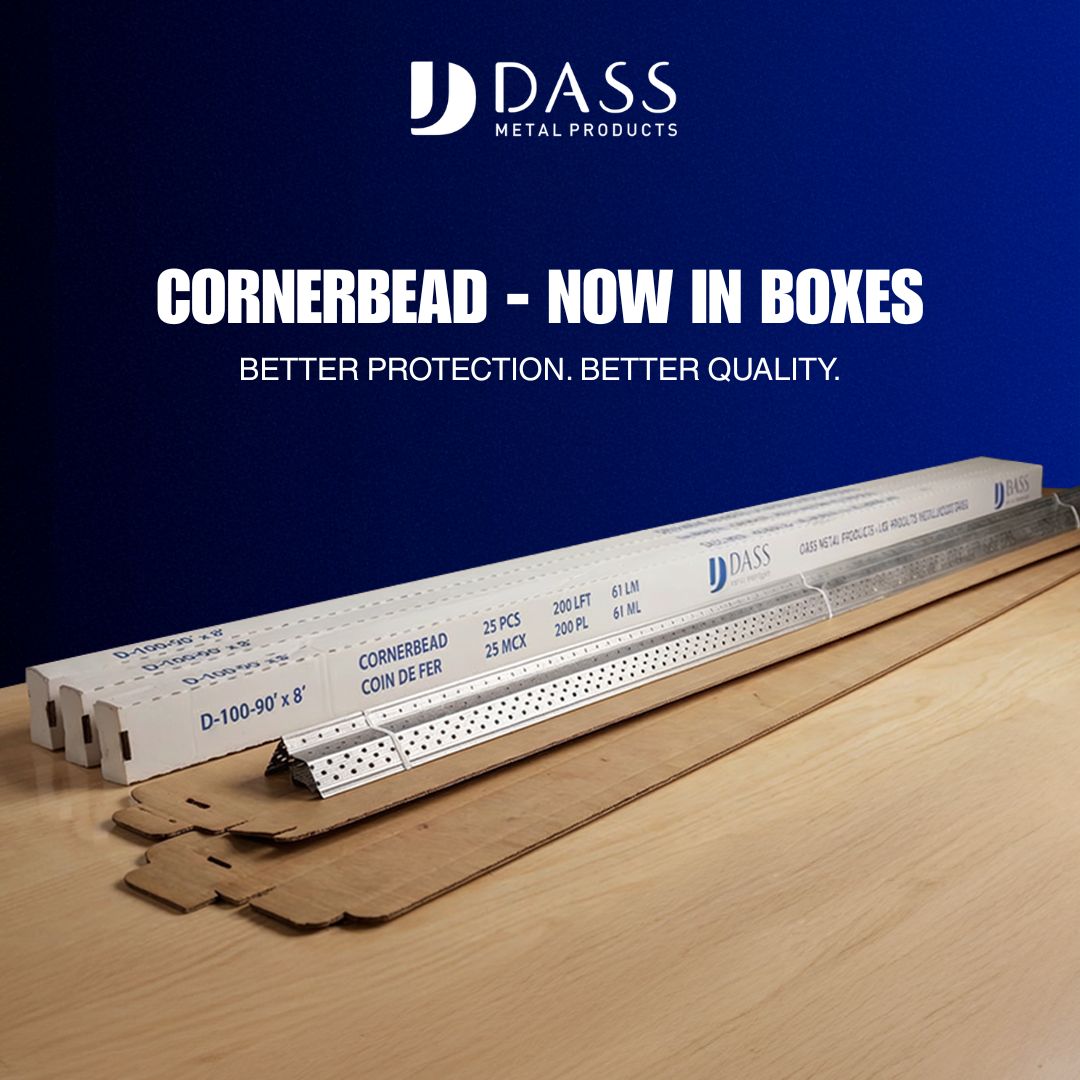
Drywall and metal studs refer to gypsum wallboard fastened to cold-formed steel framing to build straight, fire-resilient interior walls and ceilings. Light gauge steel provides consistent dimensions, and drywall panels create the finished surface. For builders in Vaughan, ON and beyond, this pairing speeds schedules, improves quality, and supports code-compliant performance.
By Navjot Dass • Last updated: 2026-05-14
Overview and table of contents
This complete guide explains how to plan, frame, and finish walls with drywall over metal studs. You’ll learn definitions, why the system matters, step-by-step methods, product types, best practices, tools, and real project examples—tailored to the needs of contractors, architects, and distributors working with steel framing in 2026.
This practical, field-tested guide from Dass Metal Products focuses on light and heavy gauge steel framing paired with drywall. Use it to align design intent, installation methods, and supply planning.
- What is drywall and metal studs?
- Why this system matters in 2026
- How metal stud drywall walls work
- Types of studs, tracks, and channels
- Best practices for framing and board
- Tools and resources you’ll actually use
- Case studies and field examples
- Specification and planning considerations
- Frequently asked questions
- Key takeaways
- Conclusion and next steps
What is drywall and metal studs?
Drywall on metal studs is an interior wall system combining gypsum board with cold-formed steel framing. Steel studs and tracks provide plumb, dimensionally stable framing, while drywall panels deliver a smooth, paint-ready surface. The approach enables straight lines, precise openings, and predictable acoustic and fire performance.
At its core, the assembly is simple: tracks anchor to floor and deck or slab, studs slip into tracks at 16 or 24 inches on center, and drywall fastens with fine-thread screws. Most interior partitions use 25-gauge (non-load-bearing) studs; shaftwalls and load-bearing walls use heavier gauges and specialized profiles.
- Stud spacing: 16 in. o.c. is standard for higher abuse walls; 24 in. o.c. is common for partitions with lighter service loads.
- Board thickness: 1/2 in. for typical partitions, 5/8 in. Type X for fire-rated or higher STC assemblies.
- Fastening: Fine-thread drywall screws into steel; typical field spacing 12 in. and 8 in. at edges unless the design specifies otherwise.
Because steel doesn’t creep, twist, or shrink, reveal lines, casework clearances, and door frames remain true over time. That’s why many commercial interiors standardize on cold-formed steel partitions with drywall finishes.
Why drywall on steel studs matters in 2026
Metal stud drywall systems deliver straighter walls, predictable performance, and faster schedules. In 2026, tighter tolerances, acoustic targets, and fire ratings make cold-formed steel with gypsum board the reliable default for commercial interiors and high-use residential spaces.
Here’s the thing: project demands keep rising. Owners expect cleaner lines, quicker turnarounds, and fewer callbacks. Steel studs answer those expectations by staying straight and dimensionally stable.
- Dimensional stability: Steel is roll-formed to precise widths and depths for consistent cavity sizes and finish quality.
- Fire resilience: Pairing 5/8 in. Type X with steel framing supports rated assemblies; many designs require two layers per side.
- Acoustics: With resilient channel and insulation, STC ratings of 50+ are attainable in corridor and suite separations.
- Speed: Pre-cut studs, snap-in bridging, and slotted deflection tracks reduce layout time and manage slab/roof movement.
- Compatibility: Electrical, telecom, and plumbing penetrations are easier to coordinate using pre-punched utility holes and grommets.
We’ve found that consistent geometry—stud depth, track height, and true corners—simplifies everything downstream: drywall hanging, taping, millwork fits, and glass fronts. That’s productivity you can measure in fewer rework hours.
How a metal stud drywall wall works (step-by-step)
A steel stud partition assembles from bottom and top tracks, vertical studs set on layout, and gypsum board fastened with fine-thread screws. Deflection head tracks absorb building movement, while bridging or channels keep studs aligned. Drywall is hung horizontally or vertically and finished to the specified level.
The workflow below matches what crews actually do on site. Use it to validate shop drawings, staging, and material takeoffs.
- Layout: Snap lines; verify door and mullion locations. For 9 ft walls, plan studs at 16 in. o.c. unless design permits 24 in. o.c.
- Set tracks: Install standard, deep, or slotted deflection track. Use anchors matched to substrate and firestop requirements.
- Place studs: Cut to height allowing for deflection gap (often 3/4–1 in. at the head) and engage into tracks.
- Bridging: Add bridging/carrying channel or strap bracing at mid-height for tall walls; snap-in options speed alignment.
- Rough-ins: Run services through utility holes with bushings; protect edges and maintain firestopping integrity.
- Hang board: 1/2 in. or 5/8 in. drywall; use fine-thread screws at 12 in. in the field and 8 in. at edges (unless specified otherwise).
- Finish: Tape, mud, and sand to Level 4 for paint or Level 5 where critical lighting highlights joints.
For deflection heads, do not fasten studs tight to the top track. Slots accommodate vertical movement from live loads and thermal changes. Where acoustic ratings matter, incorporate resilient channel on one side and mineral wool in the cavity.
Types of studs, tracks, and channels you’ll specify
Interior walls combine non-load-bearing studs with the right track, bracing, and trims. Heavy-gauge studs handle load-bearing or shaftwall needs. Matching components—bridging, resilient channel, clips, and corner beads—complete the system for strength, acoustics, and clean finishes.
Dass Metal Products manufactures light and heavy gauge components engineered for precision and code compliance. Here’s a practical map of the system, with real parts specifiers and site leads rely on.
Studs and wall types
- Non-load-bearing studs (light gauge): The interior partition workhorse in 25-gauge with common depths of 2-1/2, 3-5/8, 6 in.
- Load-bearing stud framing (heavy gauge): For structural walls and multi-story framing, using thicker steel and engineered profiles. See the dedicated product overview on our load-bearing stud framing system.
- Shaftwall / CH stud assemblies: Elevator and mechanical shafts where fire and pressure requirements are critical.
Tracks
- Standard track: Floor and head runners for most partitions; precise fit with companion studs.
- Deep track: Extra leg height for stiffer engagement and tall-wall control.
- Slotted deflection track: Pre-engineered slots at the head track to absorb building deflection without binding studs.
Alignment and bracing
- Bridging / carrying channel: Keeps rows of studs aligned; often required for walls taller than 10 ft.
- Windbrace and strap bracing: Lateral stability for partitions subject to pressure differentials or open areas.
- Clips (deflection side clip, webslide clip, bridging clip): Speed connections and maintain movement joints.
Acoustic and finish accessories
- Resilient channel: Decouples drywall from framing for higher STC; often used on one side only.
- Furring channel: Levels uneven substrates or creates service plenum.
- Corner beads and trims: 90°/130° cornerbead, J trim, L trim, and J track for crisp edges and reveals.
For a deeper dive on profiles and site sequencing, review our in-depth structural metal stud framing guide.
Best practices that prevent rework
Use slotted deflection tracks at moving heads, verify stud gauge against height, and set consistent screw patterns. Add mid-height bridging on tall walls, protect openings with cripple studs, and specify resilient channel where STC targets demand it. These moves reduce rework and schedule slips.
In our experience working with contractors across Ontario and the U.S., the following practices consistently cut punch lists and callbacks.
Framing precision
- Confirm stud gauge vs. height: As walls exceed ~10 ft, step up gauge or add bridging; tall corridors often need both.
- Use deep or slotted track at heads: Maintain the 3/4–1 in. deflection gap; don’t hard-fastenen studs to the top track.
- Keep layout true: Re-snap long runs; cumulative 1/8 in. deviations telegraph into reveals and door fits.
- Reinforce openings: Add king/jack studs and headers sized to door weight and traffic.
Drywall hanging and finishing
- Board orientation: Horizontal hanging reduces linear joints in 8–10 ft walls; vertical is useful at full-height glass and millwork alignments.
- Screw discipline: Typical 12 in. field and 8 in. edge spacing on steel; over-driving reduces holding power and damages paper.
- Level 5 where light is harsh: Long corridors with grazing light benefit from a Level 5 skim to hide joint shadowing.
Acoustics and movement
- Decouple one side: Resilient channel on the noisy side often adds 3–5 STC points when paired with mineral wool.
- Seal perimeters: Use acoustic sealant continuous at floor, head, and penetrations; STC drops sharply with unsealed gaps.
- Respect deflection slots: Don’t bridge the slot with compound or trims; keep movement paths clear.
Local considerations for 370 New Enterprise Way
- Expect seasonal temperature and humidity swings in Vaughan, ON; acclimate drywall and manage vapor control per design to avoid joint shrinkage.
- Coordinate deliveries to avoid rush-hour congestion across the metro; schedule high-volume stud drops early mornings where possible.
- For regional projects with winter conditions, plan heated, dry interiors before Level 4/5 finishing to prevent surface defects.
These habits keep details clean—flush trims, true corners, tight door frames—and help your drywall and metal studs deliver the finish architects expect.
Tools and resources you’ll actually use
You need consistent measuring tools, cutting and fastening gear, layout lasers, and dust control. Add submittal-ready documentation—brochures, load tables, and standards—to streamline approvals. The right tools plus the right paperwork keep framing and inspections moving.
- Layout and measurement: Chalk lines, laser levels, tape measures with stud-layout markings (16/24 in.).
- Cutting: Aviation snips for light gauge; chop saw or track saw with metal blade for bulk cuts.
- Fastening: Cordless drivers with fine-thread drywall screws; self-drilling screws for thicker gauges.
- Handling and safety: Board carts, panel lifts, cut-resistant gloves, eye and hearing protection.
- Dust and cleanup: HEPA vacs, pole sanders with extraction, floor protection.
Documentation speeds approvals. Use product brochures, MSDS, and load tables during submittals and RFIs. For system planning, see our primer on metal framing systems and our guide to light gauge steel studs for non-load-bearing partitions. For estimating logic, review our internal takeoff overview in how metal stud framing is estimated.
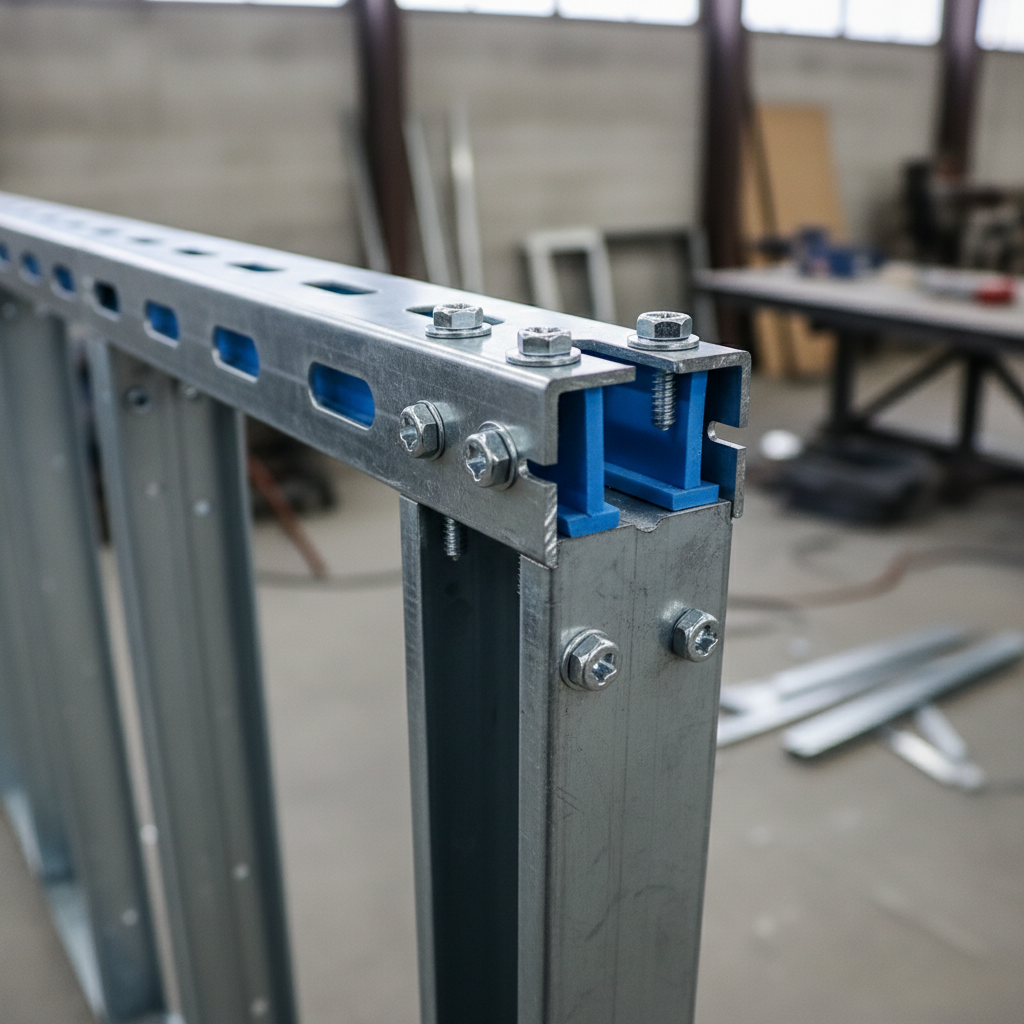
Case studies and field examples
The fastest project teams align design, procurement, and site sequencing. These short examples show how choosing the right gauge, track, and accessories for drywall on steel studs removes bottlenecks, stabilizes schedules, and improves finish quality.
- Tenant fit-out, 12 ft corridors: Switching to deep track and adding mid-height bridging eliminated stud chatter. Level 4 paint passed inspection on first punch.
- Medical clinic, STC 50 target: One-side resilient channel with mineral wool plus 5/8 in. board each side reached the design target without double layers.
- School remodel, impact zones: 16 in. o.c. stud layout and 5/8 in. board at corridors resisted daily cart abuse and reduced repair calls.
- Condo amenity space, glass reveals: Factory-straight studs and J trim produced consistent 1/2 in. reveals at glass returns—no shims at punch.
- Data office, head movement: Slotted deflection track at 1 in. slot height avoided cracking when rooftop units cycled.
- Retail pop-up, speed to open: Pre-cut studs with layout stamps reduced layout time; crews hung 30+ boards per installer per day.
- Elevator shaft, pressure: Shaftwall/CH studs with proper anchors kept walls plumb during smoke control tests.
- Lobby feature wall: Furring channel over masonry created a planar surface; Level 5 skim handled grazing light.
- Long-run partition, alignment: Carrying channel at 48 in. on center maintained true planes over a 60 ft run.
For structural scenarios, explore our structural framing guide and the heavy-gauge framing overview for system boundaries.
Specification and planning considerations
Define stud gauge vs. height, deflection head requirements, acoustic targets, and finish level. Coordinate penetrations and rated assemblies early. This clarity drives accurate takeoffs, dependable lead times, and fewer field changes for drywall on metal studs.
Good specs remove ambiguity. Here’s a checklist you can drop into your precon and submittal workflow.
Structural and geometry
- Wall height, service loads, and whether the wall is braced at the top or free-standing.
- Required head-of-wall deflection (often 3/4–1 in.) and whether slotted track is specified.
- Stud depth (2-1/2, 3-5/8, 6 in.) and minimum gauge that meets the span/height.
Acoustics and fire
- Target STC for separations; note where resilient channel and insulation are required.
- Fire ratings and board layers; document joint sealants, backer rods, and approved anchors.
Openings and interfaces
- Door and glazing details—king/jack studs, headers, and reveal trims.
- MEP penetrations and firestop requirements; prefer pre-punched utility holes.
Submittals and logistics
- Product data, MSDS, and load tables for each profile.
- Shop drawings or wall schedules that show gauge, spacing, and accessories.
- Delivery plan for just-in-time drops; protect board from moisture and impacts.
For estimating frameworks and quantity logic, see our overview on interior wall framing mistakes and the quick primer on when steel studs beat wood for speed and consistency.
Metal studs vs. wood studs (quick comparison)
| Attribute | Metal Studs + Drywall | Wood Studs + Drywall |
|---|---|---|
| Straightness | Factory-straight; no warp, twist, or shrinkage | Can warp/twist; moisture-sensitive |
| Fire | Non-combustible framing; supports Type X systems | Combustible framing; relies on gypsum only |
| Acoustics | Resilient channel + mineral wool boosts STC | Good with RC, but dimensional drift can affect seals |
| Weight | Lighter per linear foot in many sizes | Heavier; variable by species and moisture |
| Fasteners | Fine-thread drywall screws (steel) | Coarse-thread drywall screws (wood) |
| Procurement | Cut-to-length, custom profiles available | Standard lumber lengths; less customization |
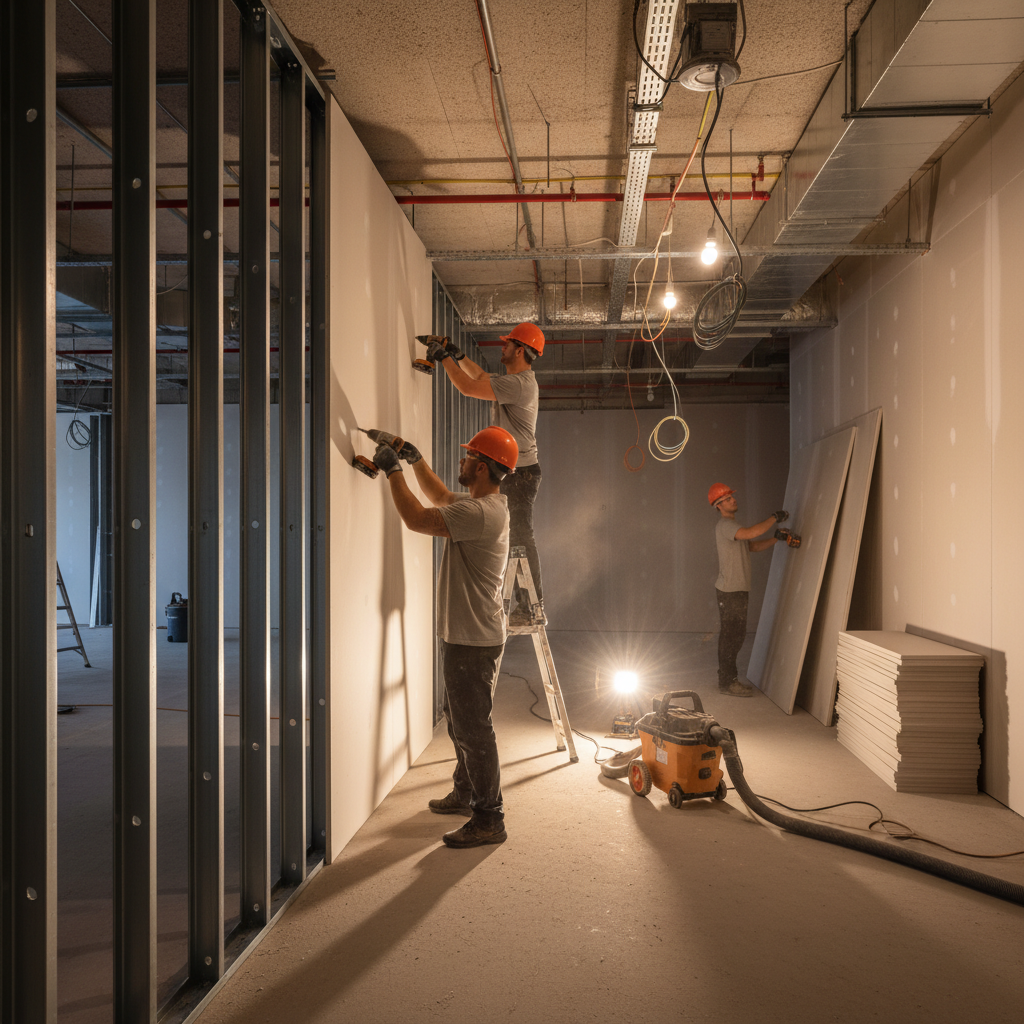
Need help choosing gauges, tracks, or trims? Our engineering team has 40+ years in steel framing. Share your wall schedule, and we’ll recommend a complete drywall-and-metal-stud package aligned to your timeline.
Start with this framing checklist to streamline submittals.
Frequently asked questions
Contractors often ask about stud spacing, which screws to use, and when to specify resilient channel. These concise answers cover the most common jobsite decisions for drywall over metal studs and help avoid rework.
What spacing should I use for metal studs behind drywall?
Most partitions are framed at 16 inches on center for better impact resistance and straighter finishes. Some interior separations permit 24 inches on center, but tall walls and high-traffic corridors often perform better at 16 inches with mid-height bridging.
Do I need resilient channel for acoustic performance?
Use resilient channel where your design targets a higher STC rating or separates noisy spaces. Installing RC on one side with mineral wool in the cavity can add several STC points. Keep screws out of the studs when fastening RC to preserve decoupling.
Which screws should I use to hang drywall on steel studs?
Use fine-thread drywall screws for steel framing. Typical spacing is 12 inches in the field and 8 inches at panel edges unless your specification states otherwise. For thicker gauges or clip connections, self-drilling screws speed installation and maintain holding power.
When should I specify a slotted deflection track?
Use slotted deflection tracks when the head-of-wall needs to accommodate building movement from live loads, wind, or thermal changes. The slots prevent fasteners from locking studs to the structure, reducing the risk of board cracking at the ceiling line.
Key takeaways
Drywall with metal studs delivers straighter walls, predictable performance, and clean finishes. Specify the right gauge, deflection head, and acoustic details, and your team will frame faster, pass inspections sooner, and reduce punch lists.
- Plan gauge vs. height, and don’t skip mid-height bridging on tall walls.
- Use slotted deflection heads to manage movement and prevent cracks.
- Target STC with resilient channel and continuous perimeter seals.
- Protect openings with proper headers, king/jack studs, and trims.
- Document with submittal-ready data: brochures, load tables, and MSDS.
Conclusion and next steps
If you need straighter interiors and faster schedules, drywall and metal studs are the proven path. Align specifications with the right gauges, tracks, and accessories, then coordinate deliveries to keep crews productive and inspections clean.
Dass Metal Products manufactures Canadian-made studs, tracks, channels, clips, and trims with tight quality control and engineering support. Explore practical framing guidance in our drywall framing guide and the broader steel framing overview. For structural needs, review our structural framing guidance and load-bearing system.
Ready to align specs with schedule? Share your wall schedule and delivery window—we’ll help you select the right combination of studs, tracks, channels, and trims for a clean finish.