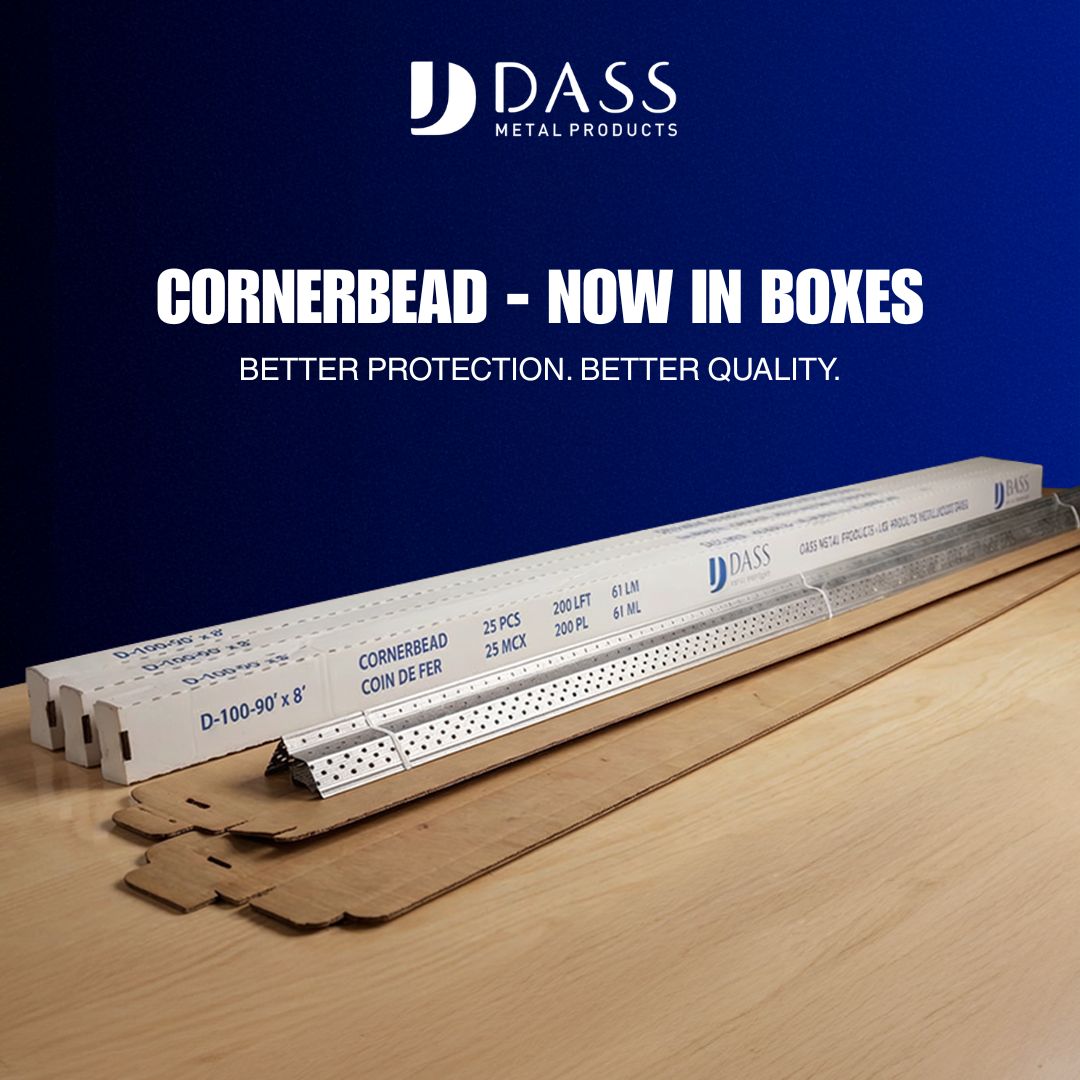
Structural steel framing is the engineered assembly of hot-rolled shapes and cold-formed steel members to create load-bearing and non-structural building systems. It uses standardized gauges, profiles, and connections to meet code-defined strength, deflection, and fire-performance targets. For builders near 370 New Enterprise Way in Vaughan, well-specified structural steel framing shortens schedules and raises quality across commercial and residential projects.
By Navjot Dass • Last updated: June 6, 2026
Overview and table of contents
This guide explains what structural steel framing is, why it matters, how it works, and the best ways to specify and install it. Grounded in Vaughan’s 370 New Enterprise Way and the Regional Municipality of York context, it maps products, assemblies, and steps so contractors reduce rework, hit timelines, and deliver consistent performance.
Use this section to jump around. Each link opens a self-contained answer you can cite in meetings or submittals.
- What is structural steel framing?
- Why structural steel framing matters
- How structural steel framing works
- Types, methods, and components
- Best practices for design and installation
- Tools, specs, and resources
- Pricing and budget factors (no dollar amounts)
- Case studies and field examples
- FAQ: structural steel framing
- Key takeaways and next steps
Quick summary
Structural steel framing combines hot-rolled primary members with cold-formed secondary framing (studs, tracks, channels) to deliver high strength-to-weight, fire resistance, and precise finishes. When paired with clear submittals and proven accessories, it accelerates dry-in, reduces rework, and helps meet acoustic, thermal, and structural targets consistently.
- Primary use cases: mid-rise commercial, schools, healthcare, multifamily, tenant interiors.
- Key benefits: strength-to-weight, speed, dimensional stability, fire and acoustic performance.
- Dass Metal focus: engineered light- and heavy-gauge studs, tracks, channels, clips, trims.
- Specs in minutes: leverage in-house engineering support and product load tables.
What is structural steel framing?
Structural steel framing is a building system that uses hot-rolled beams/columns and cold-formed members (studs, tracks, channels) to resist gravity, wind, and seismic loads while supporting interior and exterior finishes. The approach prioritizes code compliance, repeatable connections, and fast, dry construction with reliable quality control.
At Dass Metal Products in Vaughan, we design and manufacture the cold-formed steel elements that integrate with primary structures. Our catalog spans non-load-bearing interior studs and heavy-gauge load-bearing studs, plus tracks, channels, bracing, clips, and drywall finishing trims that simplify installation.
Core definitions, simplified
- Primary frame: hot-rolled steel (e.g., W-shapes) forming the building skeleton.
- Secondary framing: cold-formed steel studs/tracks for walls, shafts, soffits, and floors.
- Infill framing: light-gauge studs spanning from slab to structure, supporting sheathing and finishes.
- Load-bearing CFS: heavy-gauge studs and deep tracks assembled to carry vertical and lateral loads.
Where it fits in the construction sequence
- After structure tops out: exterior infill studs, sheathing, and air/vapor layers proceed quickly.
- During interiors: partitions, shaft walls, and ceilings go in parallel with MEP rough-ins.
- Before finishes: trims (J/L/Cornerbead) and acoustic products finalize performance.
Need a refresher on cold-formed concepts and dimensions? See our cold-formed framing guide and the companion dimensions quick reference.
Why structural steel framing matters
Structural steel framing matters because it combines speed, precision, and predictable performance. Crews frame faster, inspectors see familiar details, and owners get straighter walls and resilient envelopes. The result is fewer call-backs, cleaner MEP coordination, and consistent acoustic and fire ratings across spaces.
Performance advantages that show up on site
- Dimensional stability: steel does not warp or shrink; lines stay true for crisp finishes.
- Strength-to-weight: high capacity per pound supports longer spans and taller partitions.
- Fire and acoustic: noncombustible framing simplifies fire-resistance ratings and, with resilient channel, improves STC.
- Schedule control: prefabrication and consistent pieces reduce layout time and rework.
How this reduces risk for builders
- Fewer unknowns: standardized gauges and fastening patterns limit variability.
- Clear inspections: well-known details speed approvals and minimize change orders.
- Traceable quality: product markings, load tables, and MSDS/standards support compliance.
To dive deeper into trade-offs, see our primer on steel studs best practices and this focused walkthrough on light-gauge framing in 2026.
How structural steel framing works
Structural steel framing works by transferring loads from studs and tracks to primary members and foundations through specified connections. Deflection heads accommodate slab movement, bracing controls buckling, and sheathing layers complete the envelope. Clear submittals align engineer-of-record requirements with repeatable field details.
Think of the system as three layers working together: structure, secondary framing, and finishes. The structure handles major loads; studs, tracks, and channels shape spaces and carry sheathing; gypsum, cladding, and trims deliver final performance.
Step-by-step workflow you can follow
- Preconstruction: select gauges, spans, and deflection criteria; confirm head-of-wall details.
- Submittals: provide product data, load tables, and typical details for approval.
- Layout: snap lines, verify openings, and check tolerance before framing starts.
- Framing: install tracks, set studs, add bracing/bridging to spec, and fasten per pattern.
- Interfaces: coordinate MEP penetrations, air/vapor control layers, and firestopping.
- Close-in: sheathe, tape, insulate, and add resilient channels or trims as designed.
| Phase | Primary goal | Key documents | Common pitfalls |
|---|---|---|---|
| Preconstruction | Match loads, spans, and deflection | Load tables; head-of-wall details | Unclear drift allowances; under-spec’d bracing |
| Submittals | Secure approvals fast | Product data; MSDS; standards | Missing clips/fasteners; generic details |
| Installation | Accurate, plumb framing | Shop drawings; field verifications | Skipped bridging; off-pattern fasteners |
| Close-in | Air, water, fire, and sound targets | Sheathing data; acoustic details | Gaps at head-of-wall; missed sealants |
For a product-level view of how members interact, our steel framing system overview ties studs, tracks, channels, and clips into complete assemblies.
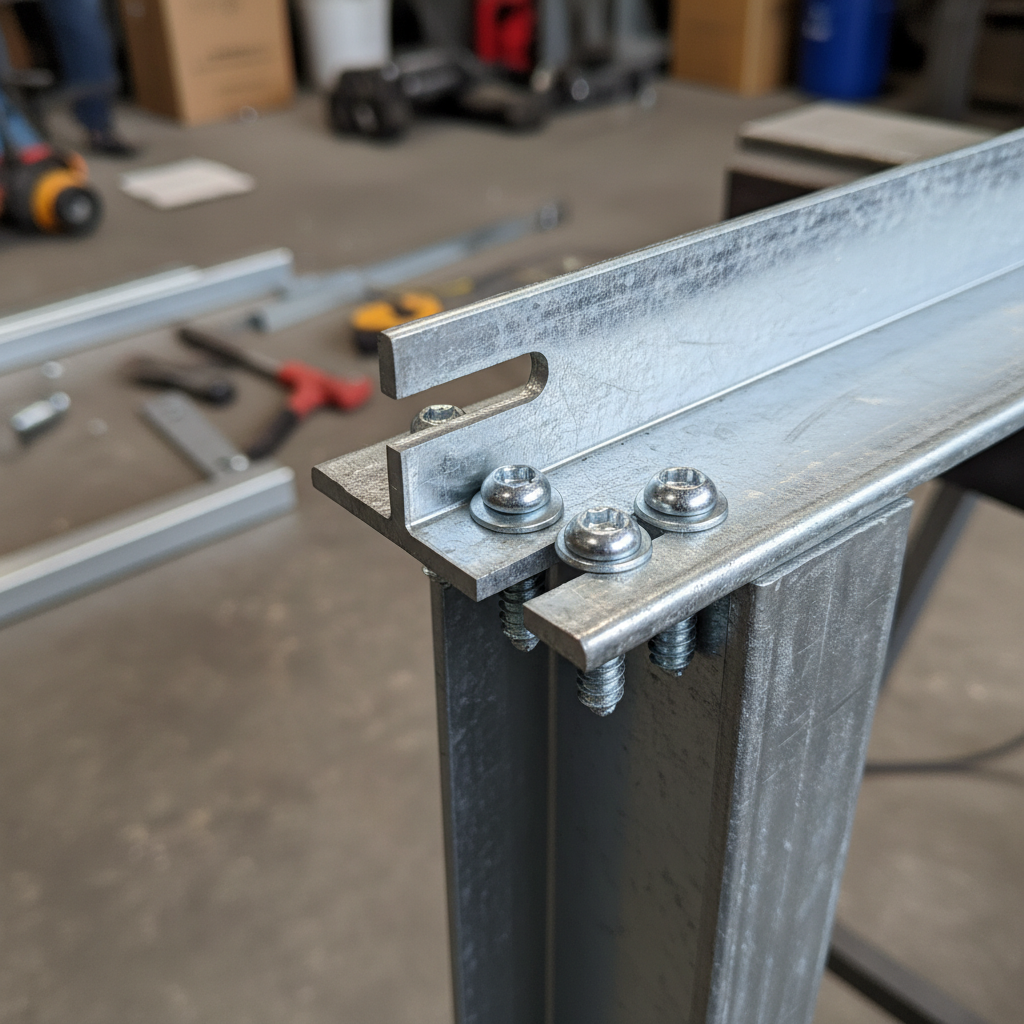
Local considerations for 370 New Enterprise Way
- Coordinate deliveries around peak traffic near Queen St / Highway 50 to keep unloading windows tight and predictable.
- Plan winter installs with temporary heat and moisture control; cold, dry air can change framing tolerances and joint behavior.
- When sequencing exterior infill, align with busier shifts around Fogal Rd / Highway 50 to stage lifts safely without idle time.
Types, methods, and components
A complete framing package blends heavy-gauge load-bearing studs, light-gauge non-load-bearing studs, deep or slotted deflection tracks, and channels (bridging, resilient, furring). Clips, bracing, and trims complete the system, enabling accurate walls, shafts, ceilings, and facades with repeatable, code-aligned details.
Core studs and tracks from Dass Metal
- Non load-bearing steel studs (light gauge): interior partitions, soffits, and ceilings. See our product page for non-load-bearing light-gauge framing.
- Load-bearing stud framing (heavy gauge): structural walls, stair/elevator cores, and framing lines that carry floor/roof loads.
- Standard track products: baseline head/jamb/sill interfaces for interior partitions.
- Slotted deflection track: head-of-wall movement where slabs deflect or drift relative to partitions.
- Deep track: added bearing and stiffness at bases, headers, and rough openings.
Channels, bracing, and acoustic elements
- Bridging / carrying channel: controls stud buckling; provides hang points for ceilings and services.
- Resilient channel: decouples gypsum from framing to improve STC in multifamily, healthcare, and learning spaces.
- Furring channel: plumb surfaces, create chases, and adjust cladding planes on uneven substrates.
- Windbrace: braces tall studs and large openings against lateral loads.
Clips, trims, and specialty profiles
- Deflection side clip / webslide clip: adjustable connections that respect movement and simplify alignment.
- U-Flex track: curves partitions cleanly for architectural features without faceted joints.
- Shaftwall / CH stud: elevator and mechanical shafts with fire- and smoke-rated assemblies.
- Drywall finishing sections: J trim, L trim, 90°/130° cornerbead, Z-Bar for clean terminations and reveals.
- Accessories: tie wire, hanger wire, flat strips, and utility angles to make field conditions workable.
For deeper channel selection pointers, review our channel selection guide. If you’re assembling your first multi-product package, this intro to steel studs and framing systems highlights typical combinations.
Best practices for design and installation
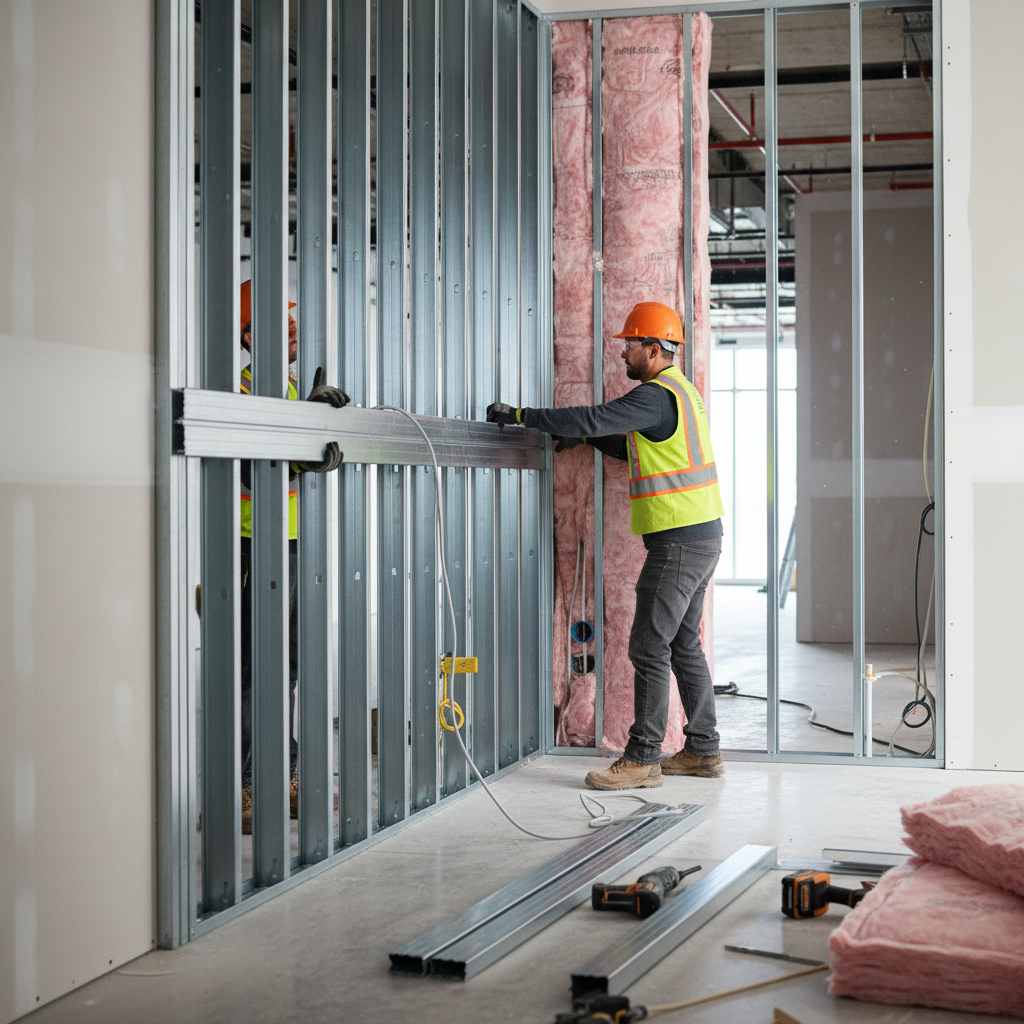
The best results come from matching gauge to span, bracing tall studs, and detailing head-of-wall movement. Use tested acoustic assemblies where privacy matters, and coordinate penetrations early. Clear submittals and on-pattern fastening reduce punch lists and lead to cleaner inspections and handover.
Design moves that pay off
- Right-size the gauge: heavier isn’t always better—choose the lightest gauge that meets span, load, and deflection targets.
- Deflection criteria: align to L/240–L/480 (or project-specific) to avoid cracking at heads and jambs.
- Openings and edges: use deep track and jamb reinforcement at doors, sidelites, and glazing transitions.
Field practices that prevent rework
- Bridging first: install bridging channels early to stabilize studs before services and sheathing go in.
- Fastener patterns: respect specified spacing—off-pattern screws undermine capacity and invite callbacks.
- Head-of-wall gaps: keep movement clear; don’t overfill with compound or mineral wool where slip is needed.
- Moisture management: protect framing and sheathing during weather events; plan temporary dry-in strategies.
Coordination tips we use with contractors
- MEP corridors: verify soffit drops and chases; resilient channel orientation matters for ceiling fixtures.
- Air/vapor layers: line up control layers at transitions to avoid discontinuities at slab edges and parapets.
- Fire and smoke: pair rated shaftwall and sealants with the correct trims for clean, testable joints.
For more context on where light gauge shines, our 2026 light-gauge guide outlines practical, code-aligned assemblies and detailing patterns.
Tools, specs, and resources
Specs move fast when you start with the right resources. Combine product brochures, load tables, and typical details into one submittal package. Then align inspection checklists to fastening patterns, deflection heads, and bridging requirements so approvals happen on the first pass.
- Quick system view: tour the steel framing system overview to map studs, tracks, channels, clips, and trims.
- Dimensional planning: use the dimensions guide to pre-check rough openings and clearances.
- Cold-formed refresher: reference the CFS fundamentals guide for terminology, gauges, and bracing concepts.
- Light-gauge assemblies: browse steel framing benefits to align assemblies with program goals.
When your scope includes reinforcement or concrete elements, coordinate early with our sister team on welded wire mesh and rebar options; this rebar fabrication guide shows typical workflows and QA checks that pair cleanly with steel framing.
Need a fast, code-aligned submittal? Our engineering team can align gauge, span, and deflection details to your drawings and timeline. Start with the system overview and we’ll help you finalize a lean, buildable package.
Pricing and budget factors (no dollar amounts)
Budgeting structural steel framing depends on gauge, spans, lateral demands, and detailing at heads and openings. Lead times, finish levels, and acoustic targets also shift labor and material quantities. Clarify these drivers early to lock schedules and reduce contingency.
- Gauges and spans: heavier gauges and longer spans increase quantities of steel and bracing.
- Lateral criteria: wind, drift, and seismic requirements influence stud size, spacing, and clip selection.
- Interfaces: head-of-wall deflection, jamb reinforcement, and specialty trims add predictable labor.
- Acoustics: resilient channel, insulation density, and double-layer gypsum change counts and crew time.
- Sequencing and access: hoisting, staging, and occupied renovations affect productivity.
- Documentation: complete submittals and inspection checklists reduce hold points and idle time.
Case studies and field examples
Real projects show how small framing decisions shape outcomes. These brief scenarios highlight gauge selection, deflection details, and acoustic assemblies that cut rework and speed inspections while maintaining alignment with owner requirements and local conditions.
York-region medical tenant fit-out
- Challenge: strict STC targets next to imaging rooms.
- Solution: light-gauge studs with resilient channel and mineral wool; head-of-wall slip details to prevent cracks.
- Outcome: clean inspections and on-time turnover with straight lines that simplified millwork installs.
Mid-rise exterior infill on a tight schedule
- Challenge: winter weather and limited staging near Regional Municipality of York corridors.
- Solution: prefabricated panels using heavy-gauge studs and deep tracks; planned lifts around traffic windows.
- Outcome: fast dry-in; trades mobilized sooner with fewer weather-related delays.
Curved lobby feature wall
- Challenge: architectural radius without faceting.
- Solution: U-Flex track with closely spaced light-gauge studs; J/L trims for crisp edges.
- Outcome: smooth radius, reliable backing, and quicker finishing passes.
For product pairings on similar scopes, skim this overview of steel studs and metal framing systems used across schools, healthcare, and commercial work.
FAQ: structural steel framing
These concise answers address the questions we hear most from builders, drywall contractors, and architects. Each response is direct and practical so you can move confidently from design to installation without surprises.
What’s the difference between structural steel framing and light-gauge metal studs?
Structural steel framing often refers to the hot-rolled beams and columns that carry primary loads. Light-gauge (cold-formed) studs and tracks shape walls, shafts, and ceilings and can be non-load-bearing or, in heavier gauges, carry building loads when designed for it.
When should I use slotted deflection track?
Use slotted deflection track at heads where the structure can move relative to the wall—such as slab deflection or drift. The slots allow vertical movement while maintaining lateral restraint. This prevents cracking in finishes and preserves fire- and acoustic-performance targets.
How do I choose the right stud gauge?
Match gauge to span, load, and deflection criteria. Taller walls, higher wind loads, and heavy finishes demand heavier gauges or closer spacing. When in doubt, consult load tables and have our engineering team confirm selections during submittals.
What’s the role of resilient channel in acoustic walls?
Resilient channel decouples gypsum from framing to break vibration paths. Combined with insulation and proper sealants, it can significantly raise STC. Orientation and screw placement are critical—follow details precisely to realize the expected gains.
Key takeaways and next steps
Start with clear performance targets, select the lightest compliant gauges, and detail movement carefully. Stabilize studs with bridging, then coordinate acoustic and fire elements early. Use product data and load tables to speed approvals—and lean on our team when timelines are tight.
- Define targets: loads, deflection, acoustic, and fire ratings guide every choice.
- Engineer once, repeat often: use repeatable details for speed and consistency.
- Document clearly: align submittals, inspections, and close-out from day one.
- Partner up: when scopes expand to reinforcement, coordinate with our rebar team early.
Ready to plan your next structural steel framing package? Explore our system overview and tap our engineering support to finalize a buildable, code-aligned submittal.